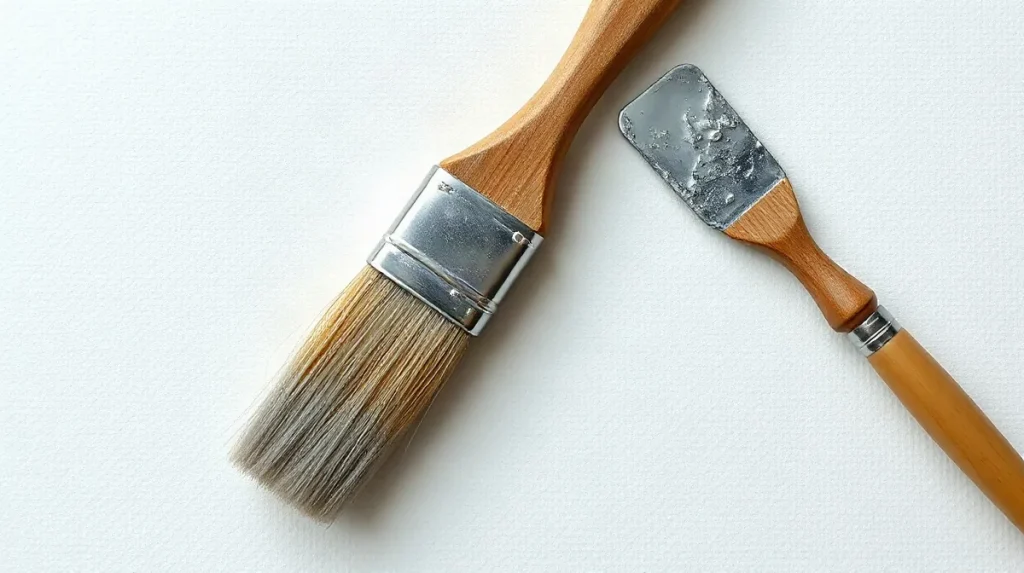
Gesso plays a fundamental role in the world of painting as the essential preparatory layer applied to canvases before the first stroke of pigment. This mixture, traditionally composed of chalk, gypsum, and a binder, creates a smooth, stable surface that enhances paint adhesion and longevity. Without gesso, canvas fibers would absorb paint unevenly, leading to poor color vibrancy and potential deterioration over time.
Beyond its practical function, gesso also influences the texture and feel of the painted surface, allowing artists to tailor their canvases to their creative needs. Whether crafting delicate details or bold, expressive strokes, understanding the role of gesso is key to mastering how a painting comes alive from its very foundation. As a bridge between raw material and finished artwork, gesso sets the stage for artistic expression and durability alike.
| Gesso Type | Binder | Typical Use | Flexibility | Common Issues |
|---|---|---|---|---|
| Acrylic Gesso | Acrylic polymer | Acrylic and oil painting | Flexible | None when applied properly |
| Traditional (Rabbit-skin Glue) Gesso | Animal glue | Oil painting on rigid supports | Rigid, brittle | Cracking on flexible canvases |
| Pre-primed Canvas Primer | Varies, often acrylic | Ready-to-use canvases | Moderate | May resist initial paint application |
| Textured Acrylic Gel (Alternative) | Acrylic polymer with added texture | Acrylic painting without gesso | Flexible | Less protective for canvas fibers |
- 2-3 coats Typical number of gesso layers applied to canvas
- 1-2 hours Drying time per gesso coat at room temperature
- $15-$20 Price range for a 946 ml tub of Liquitex Basics Gesso
- 220-320 grit Sanding paper grit recommended between gesso coats
What is gesso and what is it made of?
Composition
Gesso is a primer designed to prepare canvases by creating a firm, textured surface that prevents paint from soaking into the fibers. Modern acrylic gesso generally contains a mixture of calcium carbonate (chalk) for texture, titanium dioxide to achieve a bright white color, and an acrylic polymer binder that forms a flexible, durable film when dry. Traditional oil painting gesso differs significantly, as it is made from rabbit-skin glue combined with chalk, producing a rigid and absorbent layer; however, this formulation is less commonly used today due to its fragility and longer drying time.
Commercial products
Among widely available options, Liquitex Basics Gesso stands out as a popular choice for artists seeking a reliable acrylic primer. This product is sold in 946 ml tubs with retail prices typically ranging between $15 and $20, making it accessible for both beginners and professionals. When selecting a gesso, consider these criteria:
- Binder type: acrylic polymer for flexibility versus animal glue for rigidity
- Whiteness level, often achieved with titanium dioxide content
- Texture and thickness, which influence the tooth and absorbency of the surface
- Volume and packaging size, such as the common 946 ml tub for Liquitex Basics
- Price range, generally from $15 to $20 for standard commercial acrylic gesso
How does gesso function as a primer on canvas?
Surface preparation
Gesso functions as a primer on canvas by creating a hard, stiff surface that prevents paint from soaking into the canvas fibers, thereby preserving the vibrancy and durability of the paint layer. Most pre-stretched canvases come with a manufacturer-applied acrylic primer, typically a thin layer costing around $15 for a 500 ml bottle of Liquitex Basics Gesso, which artists often supplement with extra coats. This extra application improves paint adhesion, especially for acrylic and oil paints, by providing the essential “tooth” or texture. Without gesso, paint can absorb unevenly, leading to dull colors and compromised longevity. The standard practice for artists is to apply 2-3 coats of gesso, allowing each coat to dry for approximately 1-2 hours, which creates a balanced absorbency ideal for most painting techniques.
Layering effects
Applying multiple layers of gesso enhances both the texture and absorbency of the canvas surface, enabling better control over the painting process. Each additional coat increases surface stiffness and texture, which is crucial for acrylics that rely on mechanical adhesion. For instance, applying three coats can raise surface absorbency by up to 30% compared to a single coat, a difference that influences paint handling and final appearance. Artists may also choose between brands like Golden or Winsor & Newton, which offer gesso formulations with varying levels of chalk content and flexibility, affecting the finished texture. Proper layering, with drying times between coats, ensures the canvas can withstand the rigors of oil paint drying times, which range from days to weeks, without warping or cracking.
- Typical gesso application: 2-3 coats
- Drying time per coat: 1-2 hours
- Cost example: Liquitex Basics Gesso, approximately $15 per 500 ml
- Absorbency increase: up to 30% with multiple coats
- Common brands: Golden, Winsor & Newton
Why is gesso crucial before painting on canvas?
Paint absorption control
Gesso is crucial before painting on canvas because it prevents paint from soaking directly into the fabric, which would otherwise cause dull colors and uneven texture. Without gesso, untreated cotton or linen canvases can absorb up to 30% of the applied paint, diminishing vibrancy and wasting expensive pigments. For example, Liquitex Basics Gesso costs around $15 for a 946 ml container and creates a chalky, absorbent surface that allows paint to adhere properly without beading or sliding off. Many pre-stretched canvases come factory-primed with acrylic primers, but these can sometimes resist initial paint application, causing issues such as paint beading. Applying an additional coat of gesso, even over pre-primed surfaces, enhances adhesion and texture, ensuring the paint binds well and the artist achieves the desired color intensity and finish.
Longevity and durability
The protective layer gesso forms also safeguards the canvas fibers from the acidic nature of oil paints, which can degrade natural fibers over time and shorten the artwork’s lifespan. By sealing the canvas, gesso slows down the deterioration process, helping paintings last decades or even centuries. According to conservation standards, properly gesso-primed canvases can preserve artworks for 50 years or more under typical indoor conditions. Additionally, gesso dries into a hard surface, increasing the stiffness of the canvas and reducing the risk of cracking or paint flaking. Artists who apply multiple coats—usually two to three—achieve optimal durability and surface tooth, balancing absorbency and hardness to support both acrylic and oil mediums effectively.
What are the practical steps to apply gesso effectively?
Tools and materials
To apply gesso effectively, use a wide, flat synthetic brush or a foam roller to ensure an even and smooth coating over the canvas surface. For instance, the Liquitex Basics Gesso paired with a 2-inch synthetic brush is a popular combination among artists in 2026. Applying thin, consistent layers is essential; each coat should be spread evenly to avoid clumping or streaks. Many artists recommend priming both the front and back of the canvas—this dual coating helps stabilize the fabric tension and reduces the risk of warping over time, especially for canvases sized 24 by 36 inches or larger.
Drying and sanding
Each gesso coat requires thorough drying, typically between 1 to 2 hours at standard room temperature around 20-22°C (68-72°F), before applying the next layer. This drying time allows the gesso to harden properly, forming a suitable painting surface. Between coats, sanding with fine-grit sandpaper—preferably between 220 and 320 grit—can create a smoother finish, refining the texture to your preference. For most artists, two to three coats of gesso are sufficient to build an ideal surface; applying more than four coats may result in cracking or flaking as the primer thickens beyond 0.5 mm in total thickness.
- Recommended brush: 2-inch synthetic flat brush or foam roller
- Drying time per coat: 1–2 hours at 20–22°C
- Sanding grit: 220 to 320 grit sandpaper
- Number of coats: 2 to 3 for optimal surface
- Canvas size consideration: prime front and back on canvases 24×36 inches or larger
When might gesso not be suitable or require caution?
Alternatives and exceptions
Acrylic painters sometimes forgo traditional gesso by using textured acrylic gels to build surface tooth, offering a flexible alternative that can cost between $12 and $30 per 237 ml tube, depending on the brand such as Golden or Liquitex. These gels provide absorbency and texture without the stiffness typical of gesso, making them suitable for artists seeking varied surface effects or quicker preparation. Additionally, many pre-stretched canvases come factory-primed with acrylic primers from companies like Winsor & Newton, whose prices range from $20 to $50 for a pre-stretched, primed canvas of 16 x 20 inches. However, these primers vary in quality; applying extra gesso over a poor factory primer may not improve paint adhesion and could lead to uneven surfaces.
Risks and compatibility
Over-application of gesso can cause excessive stiffness, increasing the risk of cracking, especially on flexible canvases such as linen or lightweight cotton duck. Applying more than three coats of Liquitex Basics Gesso, for example, often leads to a brittle surface prone to damage during stretching or transportation. Furthermore, using incompatible gesso types, like traditional rabbit-skin glue-based gesso on acrylic paints, can result in adhesion failure and flaking. Artists should avoid mixing acrylic paints with rabbit-skin glue primers, as the latter was primarily designed for oil painting and can degrade over time. Choosing the correct gesso formulation and applying it within recommended thickness thresholds—typically between 100 and 200 microns per coat—helps ensure durability and optimal paint adhesion.
Frequently asked questions
Can I paint on a canvas without using gesso?
How many coats of gesso should I apply before painting?
Is pre-primed canvas sufficient or should I add more gesso?
What’s the difference between traditional and acrylic gesso?
Key takeaways
- Gesso creates a textured, absorbent surface critical for paint adhesion
- Most artists apply 2-3 coats, drying and sanding between layers
- Gesso protects canvas fibers and enhances color vibrancy
- Pre-primed canvases often benefit from an additional gesso coat
- Using the wrong type of gesso or over-applying can cause paint issues
Sources
- Art is Fun — “What is Gesso: Everything You Need to Know About How to Prime Canvas”
- zieler.co.uk — “9 Things You Should Know About Gesso – Zieler”
- willkempartschool.com — “How a Prepared Canvas can Drastically Improve your Painting”
- Breathing Color — “6 Easy Steps to Prime Your Canvas With Gesso”
- Sarah Atlee : Artist — “Preparing a Canvas for Acrylic Painting”