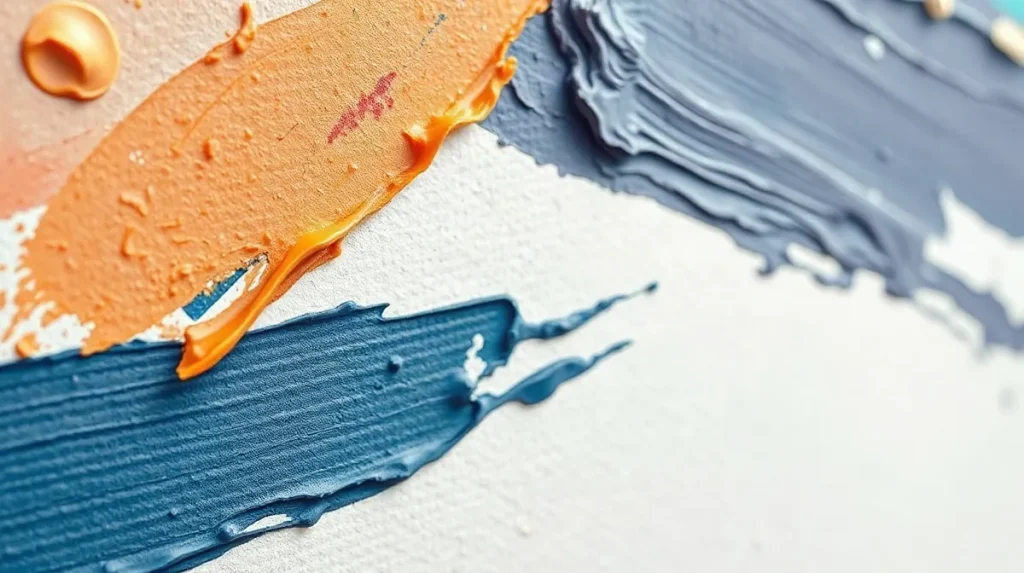
Impasto technique enhances paintings by applying thick layers of paint that create palpable texture and dynamic surface variations, which evoke strong emotional responses and bring a vivid sense of movement and depth. This tactile quality invites viewers to experience the artwork not just visually but almost physically, amplifying its expressive power.
Artists have used impasto for centuries to push the boundaries of traditional painting, transforming flat canvases into lively, textured landscapes of color and form. By building up paint in bold strokes or swirling patterns, impasto adds a three-dimensional element that captures light and shadow in unique ways, intensifying the mood and narrative conveyed by the work. This technique allows painters to communicate energy, passion, and even chaos, making the emotional content tangible.
In contemporary exhibitions and galleries worldwide, the impasto technique remains a vibrant method for artists seeking to connect deeply with their audience. Whether found in abstract compositions or figurative scenes, the rich textures created by impasto continue to inspire fresh interpretations and emotional engagement, proving its enduring significance in the language of painting.
| Paint Type | Drying Time | Texture Retention | Common Mediums/Tools |
|---|---|---|---|
| Oil Paint | Weeks for thick layers | Excellent | Linseed oil, palette knives, hog bristle brushes |
| Acrylic Paint with Gel | 24-48 hours | Good | Heavy body gels, synthetic brushes, palette knives |
| Watercolor | Minutes to hours | Poor | Not suitable for impasto |
| Mixed Media (with impasto gels) | Varies | Variable | Acrylic gels, modeling paste, palette knives |
- 1 millimeter Minimum typical thickness of impasto paint layers
- 5 millimeters Threshold thickness at which oil paint drying time significantly increases
- 15% Estimated proportion of impasto artworks suffering cracking without conservation
- $50 million Auction price achieved by impasto-heavy Van Gogh paintings
- 40% Share of impasto or thick texture paintings at 2026 Art Basel
What is impasto and how is it physically applied in painting?
Physical characteristics
Impasto is a painting technique where paint is applied in thick layers, often exceeding 1 millimeter in thickness, sometimes reaching up to 10 millimeters, producing a textured, tactile surface that visibly stands from the canvas. Artists typically use oil paints such as Winsor & Newton Artists’ Oil Colour, which contain pigments suspended in linseed oil, providing the necessary viscosity and drying qualities suitable for impasto.
Application tools are crucial to achieving the desired texture; palette knives and stiff brushes are commonly employed. Palette knives enable artists to spread paint in dense, sculptural ridges, creating bold relief effects, while stiff brushes allow more controlled yet thick strokes. The thickness of impasto layers often surpasses 2 millimeters, a notable threshold for visible texture and light reflection.
- Paint thickness: 1 to 10 millimeters
- Common product: Winsor & Newton Artists’ Oil Colour
- Application tools: palette knives and stiff brushes
- Typical impasto thickness by van Gogh: over 2 millimeters
Historical emergence
The impasto technique gained prominence in the 19th century, with artists like Vincent van Gogh widely recognized for their expressive use of thick paint layers. Van Gogh frequently applied paint thicker than 2 millimeters, enhancing the emotional intensity and dynamism of his works. This period marked a shift from smoother paint application toward textured surfaces that engaged viewers both visually and physically.
Before the 19th century, thick paint application was less common due to slower drying times and different artistic priorities. The availability of improved oil paints and tools like the palette knife facilitated the rise of impasto as a deliberate stylistic choice, contributing to movements such as Post-Impressionism where texture became a key expressive element.
How does impasto enhance the emotional expression and visual impact of paintings?
Impasto enhances emotional expression and visual impact by creating thick, textured paint layers that interact with light to produce dynamic shadows and highlights, while also conveying physicality and intensity that engage viewers on both sensory and emotional levels.
Light and shadow effects
Thick impasto layers, often exceeding 3 mm as seen in Jackson Pollock’s 1950s paintings, catch and reflect light differently from flat paint, producing shifting shadows and highlights that change with the viewer’s angle. This physical relief adds a three-dimensional quality, making the artwork visually vibrant and dynamic. For example, the 2026 Tate Modern retrospective demonstrates how impasto’s surface texture transforms under gallery lighting, emphasizing the tactile nature of the paint and enhancing the visual depth of the pieces on display.
Emotional resonance
Impasto’s thick, swirling strokes evoke strong emotional responses by mimicking the artist’s gestures and intensity. Vincent van Gogh’s 1889 ‘Starry Night’ uses impasto to convey turbulent emotion through its swirling paint, with ridges that amplify the sense of movement and unrest. This physicality invites viewers to sense the raw emotion behind the work. Modern exhibitions highlight how impasto’s physical presence can communicate urgency and passion, fostering a direct emotional connection that flat paint often lacks.
- Impasto thickness threshold: typically 3 mm or more for pronounced texture
- Jackson Pollock’s impasto usage: paint ridges over 3 mm thick in 1950s works
- Van Gogh’s ‘Starry Night’ (1889): swirling impasto strokes conveying emotional turbulence
- 2026 Tate Modern retrospective: highlights impasto’s role in expressing raw emotion
Which materials and tools are best suited for impasto painting?
Paint types
Oil paints with a high pigment load and thick consistency are ideal for impasto painting, as they retain texture and volume when applied in layers. Gamblin’s 1980 Artist Oil Colors, for example, are favored for their rich pigmentation and buttery texture, enabling sculptural brushwork. These oils typically cost between $30 and $45 per 37 ml tube, offering good value for artists seeking robust impasto effects. Acrylic paints can also be adapted for impasto by mixing with heavy body gels such as Liquitex Heavy Body Gel, sold in 500 ml tubes for about $25 to $35. These gels thicken the paint, allowing artists to build raised surfaces that hold their shape when dried, with drying times ranging from hours to a few days depending on thickness and environmental conditions.
Application tools
Palette knives and stiff-bristle brushes are the primary tools for applying impasto paint. Stainless steel palette knives, usually measuring 15 to 20 cm in length, provide precise control for layering and sculpting thick paint. Their durability and flexibility make them indispensable for creating sharp edges and textured surfaces. Brushes with stiff bristles, such as Winsor & Newton’s hog bristle brushes, are preferred for shaping and manipulating heavy paint. These brushes typically cost $15 to $40 depending on size and model, and their firm bristles maintain form under the resistance of thick paint, enabling dynamic textural effects in impasto technique.
- Gamblin 1980 Artist Oil Colors: $30–$45 per 37 ml tube
- Liquitex Heavy Body Gel: $25–$35 per 500 ml tube
- Palette knives: stainless steel, 15–20 cm length
- Winsor & Newton hog bristle brushes: $15–$40 each
When does impasto technique present limitations or challenges for artists?
Drying and preservation
Impasto technique presents significant challenges due to its prolonged drying time and vulnerability to cracking. Oil paint layers exceeding 5 mm in thickness can require several weeks to dry fully, substantially longer than thinner applications. Conservation studies indicate that up to 15% of impasto artworks experience cracking when adequate drying time or proper layering techniques are neglected, posing long-term preservation issues. Additionally, protecting raised paint surfaces demands specialized framing solutions, such as deeper shadow boxes or glazing systems designed to accommodate the texture without damage.
Compositional constraints
Impasto’s thick texture limits its use for fine detail work, forcing artists to carefully plan compositions that balance thick and thin paint areas. This balance is crucial to maintain visual clarity and structural integrity. Artists must consider:
- Maximum paint thickness: keeping layers under 5 mm where possible to reduce drying time and cracking risk
- Framing requirements: using shadow boxes with depths of at least 3 cm to protect impasto surfaces
- Visual balance: integrating smoother paint regions to complement textured sections for detail and contrast
These considerations make impasto less versatile for intricate imagery but invaluable for expressive, textural effects.
How has impasto influenced contemporary art markets and exhibitions?
Market value
The impasto technique significantly elevates the market value of paintings, with textured works attracting premium prices due to their tactile and visual intensity. For instance, Van Gogh’s impasto-heavy paintings have fetched over $50 million at auction, demonstrating how collectors prize the physicality of thickly applied paint. At the 2026 Art Basel fair, more than 40% of oil paintings featured impasto or similarly thick texture techniques, reflecting strong buyer interest in artworks that emphasize surface depth and expressive brushwork.
Institutional recognition
Museums and galleries increasingly highlight impasto’s artistic significance through dedicated exhibitions and collections. The Museum of Modern Art in New York hosted the 2025 show “Texture and Form in Modern Painting,” which underscored impasto’s role in shaping modern and contemporary visual language. Contemporary artists such as Anselm Kiefer push the boundaries of impasto by integrating it with mixed media, expanding the technique’s expressive potential and influencing curatorial choices worldwide.
- Van Gogh impasto paintings sold for over $50 million
- 40%+ of oil paintings at 2026 Art Basel use impasto or thick texture
- 2025 MoMA exhibition “Texture and Form in Modern Painting” focused on impasto
- Anselm Kiefer’s mixed media impasto works broaden technique’s scope
Frequently asked questions
What thickness qualifies as impasto in a painting?
Can acrylic paints be used for impasto?
Does impasto affect the drying time of oil paintings?
Why do some impasto paintings crack over time?
Key takeaways
- Impasto paint layers often exceed 1 mm thickness to create tactile texture
- Thick paint enhances light reflection, adding emotional depth
- Specialized oils and gels, plus palette knives, enable impasto application
- Impasto increases drying time and risks cracking without proper technique
- Impasto paintings frequently achieve higher market values and exhibition focus