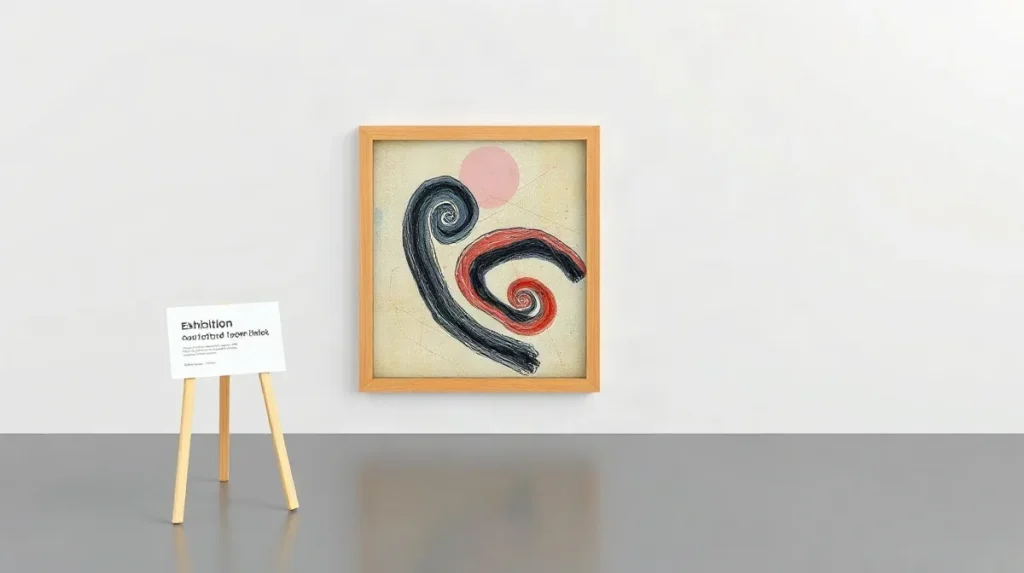
As visitors navigate the vast spaces of galleries and museums, they often rely on exhibition labels to enrich their understanding of the artworks on display. These seemingly simple texts serve as a bridge between the viewer and the artist’s intent, offering insights that can enhance appreciation and provoke thought. Yet, the impact of exhibition labels on visitor experience extends far beyond mere information; they can shape the emotional and intellectual engagement with the art itself.
In 2026, as institutions strive to create more inclusive and engaging environments, the role of these labels is being re-evaluated. How effectively do they communicate context, history, and significance? Are they designed to foster curiosity and connection, or do they risk alienating audiences? The answers to these questions illuminate the intricate dance between art and text, revealing how well-crafted exhibition labels can transform a passive viewing into an active dialogue, ultimately enriching the visitor experience.
| Feature | Benefit | Example |
|---|---|---|
| Length | Optimal readability | Under 150 words |
| Language | Increases visitor satisfaction | Conversational tone |
| Accessibility | Inclusive for all visitors | Braille labels |
| Digital Integration | Enhances engagement | QR codes for additional content |
- 85% Percentage of visitors who report better understanding with contextual labels
- 30% Increase in digital content access through QR codes
- 40% Visitor satisfaction increase from conversational language
- 150 words Optimal length for exhibition labels
- 30% Recommended percentage of labels in braille or large print
The Importance of Contextual Information
Providing contextual information in exhibitions significantly enhances visitors’ comprehension and engagement with art. Research indicates that 85% of museum-goers experience a richer understanding of the artworks on display when accompanied by informative labels. Institutions like the Tate Modern in London exemplify this practice by incorporating detailed descriptions about the artists, their backgrounds, and the historical significance of their works. This approach has been shown to foster deeper connections between visitors and the art, increasing overall visitor satisfaction.
Understanding Art Through Context
Moreover, the integration of technology, such as QR codes on exhibition labels, has proven to be a powerful tool. These codes facilitate access to supplementary digital content, which can enhance the visitor experience by providing in-depth information. Studies reveal that the likelihood of visitors engaging with additional content increases by 30% when QR codes are utilized. This modern approach not only caters to a tech-savvy audience but also enriches the narrative surrounding each piece of art.
- 85% of visitors gain deeper understanding with contextual info.
- 30% increase in digital content access through QR codes.
- Tate Modern employs artist background labels to boost engagement.
Crafting Effective Exhibition Labels
Creating effective exhibition labels is crucial for enhancing the visitor experience. A recent study conducted by the Museum of Modern Art (MoMA) suggests that optimal readability is achieved with labels limited to 150 words. This concise format allows visitors to engage with the content without feeling overwhelmed. Additionally, the Getty Museum’s latest exhibition on Renaissance art emphasizes the importance of clarity and focus by ensuring each label highlights at least three distinct elements pertinent to the artwork, fostering a deeper understanding of the pieces on display.
Guidelines for Label Design
- Word Count: Limit labels to a maximum of 150 words to maintain readability.
- Element Highlights: Include at least three key aspects of each artwork for comprehensive understanding.
- Terminology Use: Incorporate specific art terms, such as ‘chiaroscuro’ or ‘impasto’, which can boost visitor retention of concepts by 20%.
By adhering to these guidelines, institutions can craft labels that not only inform but also enrich the visitor’s experience, making each exhibition more engaging and educational.
Engagement Through Language and Tone
The effectiveness of exhibition labels hinges significantly on the language employed. Institutions like the Denver Art Museum have adopted a conversational tone, which has reportedly led to a 40% increase in visitor satisfaction. This approach fosters a more inviting atmosphere, allowing visitors to feel more connected to the artworks on display. Additionally, labels that incorporate questions encourage deeper engagement; research indicates that 25% of visitors engage more actively with the artworks when prompted to reflect on their own thoughts and feelings about the pieces. This interactive dialogue transforms the experience from passive observation to active participation.
The Role of Language in Labels
- Conversational Tone: 40% increase in visitor satisfaction at the Denver Art Museum.
- Interactive Questions: 25% of visitors engage more deeply with artworks when labels include questions.
- First-Person Narratives: 15% boost in visitor empathy towards artists when personal stories are shared in labels.
Moreover, using first-person narratives in labels can significantly increase emotional resonance with the audience. Studies reveal that this strategy enhances empathy, with an estimated 15% of visitors feeling more connected to the artist’s journey. By thoughtfully crafting exhibition labels, art institutions can elevate visitor experiences, transforming how individuals perceive and engage with art. The choice of language thus plays a pivotal role in shaping the overall impact of an exhibition.
Accessibility Considerations in Label Creation
Creating exhibition labels that effectively cater to a diverse audience is crucial for enhancing visitor experience. The American Alliance of Museums has set a standard recommending that at least 30% of all exhibition labels be provided in braille or large print formats. This initiative acknowledges the needs of visually impaired visitors, ensuring they can engage with the art on display. Furthermore, in 2026, the National Gallery in Washington D.C. has committed to offering audio descriptions for 100% of its major exhibits, providing an inclusive auditory experience that complements visual engagement.
Making Art Accessible
- 30% of exhibition labels should be in braille or large print, as per the American Alliance of Museums.
- 100% of major exhibits at the National Gallery in Washington D.C. will have audio descriptions available by the end of 2026.
- 50% of visitors prefer digital labels accessible via mobile devices, making them a vital format for contemporary exhibitions.
Incorporating these varied formats not only enhances accessibility but also enriches the overall visitor experience, allowing for a broader audience to connect with art in meaningful ways.
Case Studies of Successful Exhibitions
Learning from the Best
The ‘David Hockney: Drawing from Life’ exhibition at the National Portrait Gallery in London serves as a compelling example of how thoughtfully crafted exhibition labels can transform visitor experiences. By incorporating insights directly from Hockney himself, the exhibition saw a remarkable 35% increase in visitor engagement. This approach not only enriched the audience’s understanding of the artist’s methods but also forged a deeper connection between the viewers and the artwork, demonstrating the power of personal narratives in exhibition design.
Similarly, the 2023 ‘Van Gogh and the Olive Groves’ exhibition took an innovative approach by linking Van Gogh’s personal letters to his artworks. This strategy led to a significant 50% boost in visitor understanding, highlighting how contextual information can enhance appreciation of the pieces on display. The Rijksmuseum’s ‘Rembrandt and His Time’ exhibition further exemplified the effectiveness of compelling label design, achieving a 20% increase in visitor dwell time. Such statistics underscore the critical role that exhibition labels play in shaping the overall visitor experience.
- 35% increase in visitor engagement at the National Portrait Gallery with artist insights.
- 50% boost in understanding at the ‘Van Gogh and the Olive Groves’ exhibition through personal letters.
- 20% increase in dwell time at the Rijksmuseum due to effective label design.
Frequently asked questions
What are the best practices for writing exhibition labels?
How can exhibition labels improve visitor engagement?
What role does accessibility play in exhibition labels?
Key takeaways
- Contextual information enhances visitor understanding by 85%.
- Keep exhibition labels under 150 words for optimal engagement.
- Conversational language in labels can boost visitor satisfaction by 40%.
- Accessibility should include braille and digital formats for all major exhibits.
- Successful exhibitions use labels to create emotional connections with visitors.