Essays

Comparing Traditional and Contemporary Eastern European Art Styles

18 min read · July 14, 2026
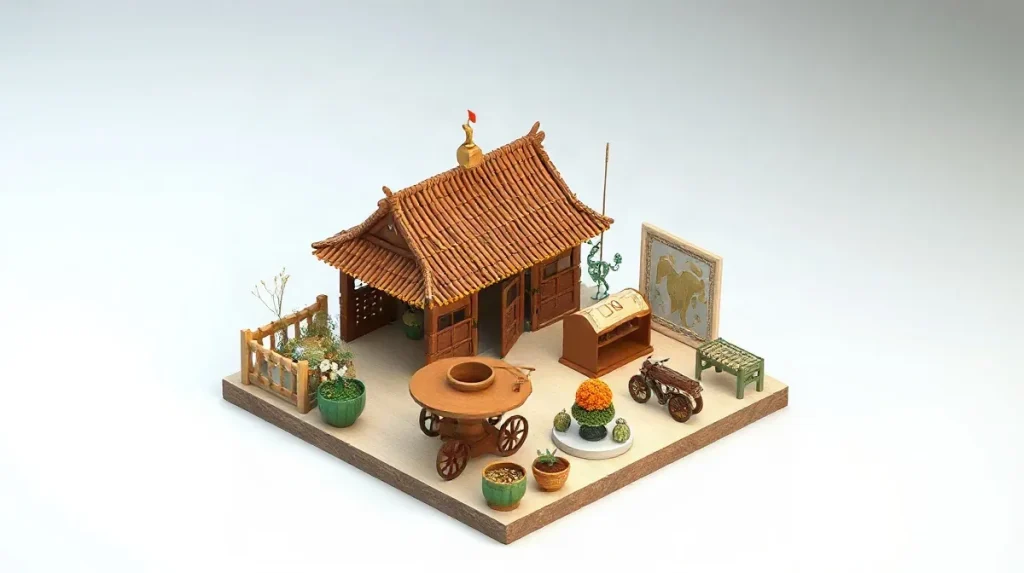
Иллюстрация к статье «Сравнение традиционных и современных стилей искусства Восточной Европы»

Eastern European art, with its rich tapestry of traditions and innovations, presents a fascinating junction where history meets modernity. The comparison between traditional and contemporary Eastern European art styles reveals not only the evolution of aesthetic principles but also the profound societal changes that have shaped these artistic expressions. While traditional art often draws from deep-rooted cultural narratives and religious themes, contemporary styles embrace experimentation and globalization, reflecting the dynamic nature of today’s world.

This dialogue between the past and present invites us to explore how artists navigate their cultural heritage while responding to contemporary issues. By examining various mediums and themes, we can gain insight into how traditional techniques are being reinterpreted and how today’s artists are forging new paths that challenge conventional notions of identity and expression. Ultimately, understanding this comparison enriches our appreciation of Eastern European art as a living, breathing entity that continually evolves in response to its historical and cultural context.

Historical Context of Eastern European Art

The historical context of Eastern European art is rich and multifaceted, shaped by a tapestry of socio-political transformations, religious influences, and the enduring power of folklore. From the medieval period onward, art in this region has often served as a reflection of cultural identity and societal values. Traditional art forms, heavily steeped in folk narratives, religious iconography, and community rituals, were instrumental in conveying collective experiences and beliefs. For instance, the intricate wood carvings and vibrant textiles found in rural communities often depicted local legends and spiritual themes, serving as both decorative objects and vehicles for storytelling.

As Eastern Europe entered modernity, the art scene began to evolve dramatically, influenced by a series of tumultuous socio-political events. The impact of wars, revolutions, and the ever-shifting boundaries of nations played a significant role in shaping artistic expression, leading to movements that sought to challenge conventions and reflect the complexities of contemporary life. In the 20th century, artists began to explore avant-garde styles, experimenting with abstraction, surrealism, and conceptual art, often as a response to oppressive regimes or societal upheaval. This evolution marked a shift from collective folk traditions to a focus on individual expression, where artists sought to comment on their realities through innovative mediums and techniques.

Religion and folklore have remained persistent themes throughout Eastern European art history, providing a foundation that contemporary artists often revisit and reinterpret. While traditional artists drew from established motifs and narratives, modern artists have adapted these influences to engage with global art movements. The current landscape showcases a vibrant dialogue between the past and present, as contemporary works embrace not just individualism but also critical socio-political commentary. This blend of old and new allows for a dynamic exploration of identity, heritage, and the ongoing struggles faced by societies in transition.

In summary, the historical context of Eastern European art reveals a continuous interplay between tradition and innovation, where the echoes of the past resonate in the bold expressions of the present. The journey from medieval folk art to contemporary practices showcases not only the resilience of cultural identities but also the capacity of artists to respond to and shape their socio-political environments.

Characteristics of Traditional Eastern European Art

Traditional Eastern European art is deeply rooted in the region’s rich cultural heritage, often characterized by vibrant colors and intricate patterns that reflect a blend of folk traditions and historical narratives. This art form is predominantly seen in folk art, textiles, ceramics, and painting, where each piece serves not only as an aesthetic object but also as a means of storytelling. The use of bold colors and elaborate designs is not merely decorative; it often conveys emotional depth and spiritual significance. In many communities, these visual expressions are closely tied to seasonal cycles, religious rituals, and local legends.

Narrative storytelling through visual mediums is a hallmark of traditional Eastern European art. Artists have historically used their work to depict tales from folklore, historical events, and everyday life, creating a vibrant tapestry that connects viewers to their cultural roots. Common themes include nature, with depictions of the changing seasons and local flora and fauna; rural life, showcasing the daily activities and traditions of agrarian communities; and historical events that capture the essence of national identity and collective memory. These narratives are often imbued with symbolic meanings, allowing them to transcend time and resonate with audiences across generations.

In addition to the aesthetic and narrative qualities, traditional Eastern European art serves a social function. It fosters a sense of community and continuity, as these artistic practices are often passed down through generations. Many artisans still engage in techniques and styles that their ancestors employed, thereby keeping the cultural dialogue alive. This connection to the past is crucial, particularly in a region that has faced significant political and social upheaval. Traditional art becomes a vehicle for preserving identity, offering a sense of belonging amidst the ever-changing landscape of contemporary life.

While traditional Eastern European art is rich and varied, it is important to recognize its ongoing evolution. As the region grapples with modernity and globalization, the dialogue between traditional forms and contemporary practices continues to shape the artistic landscape, paving the way for new interpretations and expressions.

The Rise of Contemporary Eastern European Art

The emergence of contemporary Eastern European art has marked a significant departure from traditional styles, particularly after the fall of communism in 1989. This pivotal moment allowed artists to explore avant-garde movements that were previously stifled by political constraints. The newfound freedom facilitated an environment where experimentation and innovative practices became the norm. Artists began to draw inspiration from a wider array of influences, leading to a fusion of local traditions with global art trends. This cross-pollination has resulted in works that not only reflect individual cultural identities but also engage with universal themes, enhancing the global discourse on contemporary art.

As artists began to embrace the influences of global art movements, the focus shifted towards individualism and personal expression. Contemporary Eastern European art often serves as a canvas for social and political commentary, allowing artists to respond to the complexities of their environments. This shift is characterized by a move away from collective narratives, which dominated the traditional art scene, towards a celebration of individual experiences and perspectives. In this context, art becomes a powerful tool for self-exploration and societal critique, enabling artists to confront the legacies of their past while engaging with the present.

The contemporary art scene in Eastern Europe is a vibrant tapestry woven from diverse threads of creativity and cultural expression. It is marked by a growing recognition of the importance of personal narrative and subjective experience, often challenging viewers to reconsider their assumptions about identity, history, and place. The evolution of this art form continues to captivate audiences both locally and internationally, as it reflects the dynamic interplay between tradition and modernity.

In summary, the rise of contemporary Eastern European art has been shaped by several key factors:

  • The liberation of artistic expression following the collapse of communism.
  • The integration of global art trends into local practices, enriching the artistic landscape.
  • A pronounced shift towards individualism, allowing for personal narratives and socio-political commentary.

This ongoing transformation underscores the region’s pivotal role in the contemporary art world, positioning Eastern European artists as vital contributors to the global conversation on art and culture.

Comparative Techniques and Mediums

The artistic landscape of Eastern Europe presents a captivating interplay between traditional and contemporary styles, particularly evident in the techniques and mediums employed by artists across this region. Traditional Eastern European art is deeply rooted in the use of natural materials such as wood, fabric, and dyes derived from plants and minerals. These elements not only reflect the cultural heritage and historical narratives of the region but also signify a meticulous craftsmanship that has been passed down through generations. Artisans often engage in labor-intensive processes, where each brushstroke or carving is imbued with meaning, connecting viewers to their cultural roots.

In contrast, contemporary Eastern European art has embraced a broader palette of materials and techniques, often incorporating mixed media that challenge conventional boundaries. Artists explore new technologies, utilizing digital media, installation, and performance art to convey their messages. This evolution reflects a shift towards individualism and a more personal interpretation of socio-political themes, allowing for a dialogue that resonates with a global audience. The experimental approaches adopted by contemporary artists diverge significantly from the established norms of traditional craftsmanship, fostering a dynamic environment where innovation flourishes.

Moreover, the differences in techniques between these two artistic realms are stark. Traditional artists often prioritize precision and detail, adhering to time-honored methods that celebrate their cultural legacies. In contrast, contemporary creators may prioritize conceptual exploration over technical perfection. This divergence not only signifies a break from the past but also aligns with broader global art movements that emphasize the significance of the artist’s voice in interpreting contemporary issues.

In summary, the comparative techniques and mediums in Eastern European art illustrate a profound transformation from traditional practices to contemporary expressions. The transition from natural materials to mixed media and from meticulous craftsmanship to experimental methodologies encapsulates the evolving identity of Eastern European art, reflecting both its rich heritage and its engagement with the complexities of the modern world.

Thematic Differences: Tradition vs. Modernity

The thematic differences between traditional and contemporary Eastern European art are profound, reflecting a shift from communal narratives to personal and socio-political explorations. Traditional art in this region has its roots deeply embedded in folk influences and historical storytelling. Artists often drew upon collective identities, using their work to express shared cultural values and community experiences. The emphasis was on continuity, where themes of heritage, folklore, and the collective memory of past struggles were prevalent. This art served as a means of preserving identity and fostering unity within communities, often resonating deeply with the narratives of specific ethnic groups or local traditions.

In contrast, contemporary Eastern European art tends to break away from these collective themes, venturing into the realm of individualism. Artists today address personal experiences and broader socio-political issues, reflecting the complexities of modern life in a rapidly changing world. This thematic evolution has been influenced by global art movements, which encourage experimentation and the exploration of new forms and ideas. The art produced in this context often tackles pressing societal concerns such as political oppression, identity crises, and the impact of globalization, thereby inviting viewers to engage with these vital discussions.

Moreover, contemporary artists frequently employ satire and irony as tools to critique societal norms and political structures. This playful yet incisive approach allows them to challenge established narratives and provoke thought about the realities of life in Eastern Europe. Through the use of humor and exaggeration, artworks become a means of both reflection and resistance, encouraging audiences to reconsider their assumptions about culture, power, and identity. This stark contrast between the communal focus of traditional art and the individualistic, often critical lens of contemporary art illustrates the dynamic evolution of artistic expression in the region.

As the art scene continues to evolve, the interplay between tradition and modernity remains a rich area for exploration, highlighting the ongoing dialogue between the past and the present. Artists from Eastern Europe are not only preserving their cultural heritage but also redefining it, creating a vibrant tapestry of artistic expression that speaks to both their history and their aspirations for the future.

Notable Artists Shaping Each Era

Eastern Europe has a rich artistic heritage that spans centuries, with traditional art forms rooted in folk influences and historical narratives. Artists like Ivan Aivazovsky, known for his stunning marine landscapes, and Kazimir Malevich, who pioneered the Suprematist movement, have profoundly shaped the region’s artistic identity. Aivazovsky’s work reflects the natural beauty and tumultuous history of the Black Sea, combining romanticism with a deep understanding of the sea’s moods. Malevich, on the other hand, pushed the boundaries of representation through abstraction, encouraging artists to explore new dimensions of perception and reality. These artists laid the groundwork for future generations, emphasizing the importance of cultural heritage while also engaging with broader artistic movements.

In contrast, contemporary Eastern European artists are redefining the landscape with innovative practices that often challenge traditional norms. Emerging figures such as Agnieszka Polska and Artur Żmijewski are at the forefront of this transformation. Polska employs digital media and installations to explore themes of memory and the passage of time, navigating the complexities of identity in a rapidly changing world. Żmijewski’s provocative works often delve into social and political issues, reflecting the tensions and realities of contemporary society. This shift towards individualism and socio-political commentary marks a significant departure from the collective narratives that characterized earlier art movements.

Cultural exchanges have played a pivotal role in the development of both traditional and contemporary art in Eastern Europe. The influx of international influences, particularly after the fall of the Iron Curtain, has allowed artists to engage with global trends while retaining a unique regional identity. Collaborations between Eastern European artists and their Western counterparts have fostered a dynamic dialogue, enriching the artistic discourse on both sides. This has led to a flourishing of experimental practices that draw upon local traditions while embracing new techniques and concepts, creating a vibrant tapestry of artistic expression that reflects the complexities of modern life.

As the art world continues to evolve, the interplay between traditional and contemporary styles remains a focal point of interest. By examining the contributions of influential artists from both eras, we gain insight into the broader cultural shifts that define Eastern European art today.

Exhibitions and Institutions Promoting Eastern European Art

Eastern European art is currently experiencing a dynamic resurgence, with numerous exhibitions and institutions playing pivotal roles in showcasing both traditional and contemporary styles. Key galleries across the region are dedicated to promoting traditional art forms that reflect rich folk influences and historical narratives. Institutions such as the National Museum in Warsaw and the Russian State Museum in St. Petersburg continue to highlight the significance of cultural heritage, showcasing works that often draw upon local myths, legends, and historical events. These spaces not only preserve the past but also foster a deeper understanding of the socio-political contexts that shaped these art forms.

In contrast, contemporary art exhibitions are increasingly challenging conventional norms and exploring experimental avenues. Galleries like the Ujazdowski Castle Centre for Contemporary Art in Warsaw and the Visual Culture Research Center in Kyiv are at the forefront of this movement, presenting works that embrace avant-garde styles and global influences. Artists from Eastern Europe are now exploring themes of individualism and socio-political commentary, often reflecting on the complexities of identity in a rapidly changing world. Notable exhibitions, such as “Multiple Realities: Experimental Art in the Eastern Bloc” in North America, have provided platforms for artists to showcase their innovative approaches and engage international audiences.

The importance of international platforms cannot be overstated in the promotion of Eastern European art. Events such as the Venice Biennale and Documenta have increasingly included artists from this region, offering them visibility and opportunities to connect with a global audience. These platforms not only elevate the profiles of individual artists but also enrich the dialogue surrounding Eastern European art on the world stage, bridging cultural divides and encouraging cross-cultural exchange.

Overall, the interplay between traditional and contemporary art forms in Eastern Europe is vibrant and complex, with institutions and exhibitions serving as crucial catalysts for dialogue and exploration. As this region continues to navigate its artistic identity, the commitment to both preserving heritage and embracing innovation remains essential in shaping the future of Eastern European art.

Future Directions in Eastern European Art

The future of Eastern European art is poised for dynamic evolution, as younger artists increasingly challenge conventional narratives and embrace a broader spectrum of global influences. The region, steeped in rich cultural traditions, is witnessing a transformative shift where individual expression and socio-political commentary take center stage. This shift is indicative of a larger trend in contemporary art, where artists are not only reflecting their environment but also engaging with international dialogues that transcend geographical boundaries. As these emerging talents navigate their cultural heritage, they are simultaneously reinventing it, ensuring that Eastern European art remains relevant in today’s fast-paced, interconnected world.

Technology is anticipated to play a significant role in shaping the future of art in Eastern Europe. With the rise of digital platforms, artists can now reach wider audiences and collaborate across borders more easily than ever before. This accessibility allows for a cross-pollination of ideas, styles, and techniques, facilitating the integration of global art movements into local practices. Furthermore, the utilization of digital tools enables artists to explore new mediums and forms of expression, from virtual reality installations to interactive art experiences. As a result, the artistic landscape is becoming increasingly diverse, reflecting the complexities of modern life and the multifaceted identities of the region’s inhabitants.

The role of younger artists in redefining cultural narratives cannot be overstated. They are at the forefront of exploring themes such as identity, migration, and the remnants of history, often confronting the socio-political climate of their nations head-on. By infusing traditional elements with contemporary techniques, these artists are creating a dialogue between the past and the present, ensuring that their cultural heritage is not only preserved but also reinterpreted for future generations. Their work often challenges stereotypes and preconceived notions about Eastern European identity, contributing to a more nuanced understanding of the region’s art scene.

In summary, the future of Eastern European art is bright, marked by a blend of tradition and innovation. As artists continue to experiment with new styles and mediums while engaging with global conversations, they will undoubtedly shape a vibrant and dynamic cultural landscape that resonates far beyond their borders.

Frequently asked questions

What defines traditional Eastern European art?
Traditional Eastern European art is characterized by folk influences, vibrant colors, and narrative storytelling, often reflecting historical and cultural themes.
How has contemporary Eastern European art evolved?
Contemporary Eastern European art has embraced experimental techniques and themes, often influenced by global movements and focusing on individual expression.
What materials are commonly used in traditional art?
Traditional artists often used natural materials such as wood, fabric, and dyes, which are integral to the cultural heritage of the region.
Who are some notable contemporary Eastern European artists?
Some notable contemporary artists include Monika Sosnowska, whose installations challenge architectural conventions, and Oleg Kulik, known for his provocative performances.
Why is the discussion of Eastern European art important?
Understanding Eastern European art is vital for appreciating its unique cultural narratives and the socio-political contexts that shape its evolution.

Key takeaways

  • Traditional Eastern European art is rooted in folk culture and historical narratives.
  • Contemporary art emphasizes individualism and socio-political commentary.
  • The evolution of artistic techniques reflects broader societal changes.
  • Exhibitions play a crucial role in promoting both traditional and contemporary art.
  • Future directions in Eastern European art will likely blend tradition with innovation.

Sources

artmargins.com, en.wikipedia.org, Nonsite.org, pmc.ncbi.nlm.nih.gov, walkerart.org