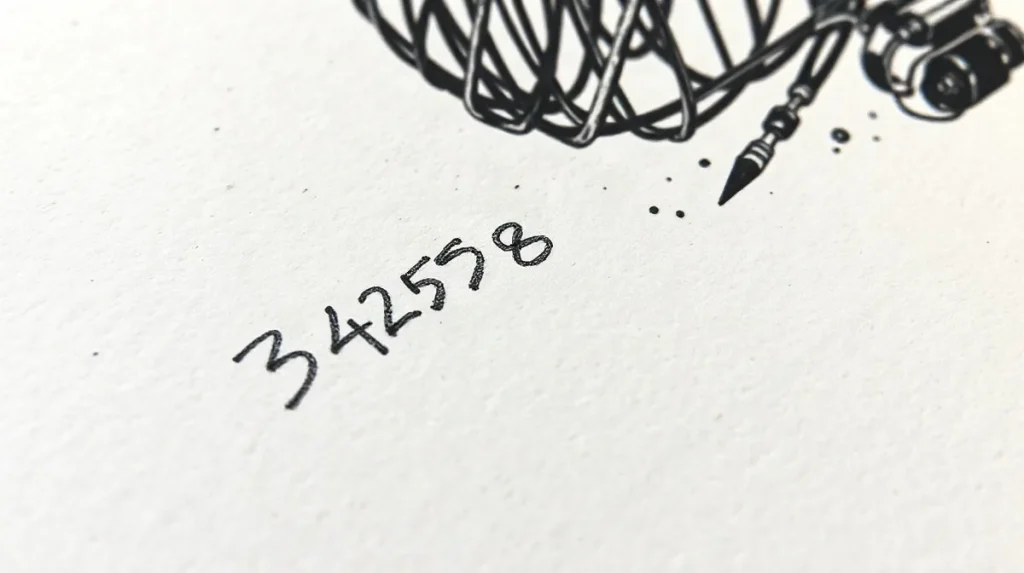
Edition numbers hold a pivotal role in shaping printmaking collections, influencing both the perceived value and the historical significance of works on paper. These numbers, which indicate the total prints produced in a series, help collectors and curators gauge rarity and authenticity, guiding acquisition decisions and exhibition narratives. By defining scarcity, edition numbers can elevate a print’s desirability, positioning it within the broader market and art historical context.
Beyond their commercial impact, edition numbers also reflect artistic intent and production methods, revealing how artists balance reproducibility with uniqueness. They affect how collections are built, as institutions and individuals often seek a range of editions to represent an artist’s evolving practice or a particular movement. In this way, edition numbers not only shape the physical composition of collections but also influence the stories these collections tell about printmaking’s place in contemporary and historical art.
| Edition Type | Typical Size | Notation | Market Impact |
|---|---|---|---|
| Numbered Edition | 25-100 prints | X/Y (e.g., 12/50) | Establishes scarcity and value |
| Artist’s Proof (A.P.) | 5-10% of edition | A.P. | Often higher value, collectible |
| Hors Commerce (H.C.) | Varies | H.C. | Not for sale, used for promotion |
| Open Edition | Unlimited | No fixed number | Generally lower value due to no scarcity |
- 5-10% Typical proportion of artist’s proofs relative to edition size
- 50-100 prints Preferred limited edition size range for maximizing value
- 20-30% Price premium for lower edition numbers on secondary market
What are edition numbers in printmaking and why are they important?
Definition and Purpose
Edition numbers in printmaking indicate the total amount of prints created from a single plate or matrix and the specific print’s position within that series, commonly shown as “5/50” for the fifth print out of fifty. These numbers serve as an essential authentication tool endorsed by institutions like the Carnegie Museums of Pittsburgh, which highlight numbering as critical for establishing provenance. By clearly marking the edition size, artists and collectors regulate the print run, directly controlling the scarcity of each print. This limitation often translates into higher market value, with prints from a limited edition of 50 typically priced significantly above open editions. For instance, a limited edition etching from a contemporary artist might range from $500 to $2,000 depending on edition size and demand, whereas unnumbered prints usually command much lower prices.
Historical Standardization
Standardized conventions for edition numbering became widespread by the late 20th century, formalizing the practice of print distribution and sales across galleries and auction houses. Before this period, print runs were less strictly controlled, sometimes resulting in large, uncounted quantities that diluted value. By the 1980s and 1990s, clear numbering formats such as “x/y” were adopted universally, allowing collectors and institutions to verify authenticity and rarity with confidence. This standardization also helps maintain market transparency and supports secondary market pricing, as collectors can compare edition sizes and print positions easily. Today, numbering conventions are a fundamental aspect of printmaking, often governed by guidelines from art institutions, auction standards, and artist contracts.
- Edition size threshold: Limited editions typically range from 10 to 200 prints, with smaller editions generally more valuable.
- Numbering format: The “x/y” format, where x is the print number and y is total edition size, is the accepted global standard.
- Institutional endorsement: Carnegie Museums of Pittsburgh emphasize numbering as essential for print provenance and authentication.
How do edition numbers affect a print’s market value and collector interest?
Pricing Dynamics
Edition numbers significantly influence a print’s market value, with lower numbers generally fetching higher prices. For instance, prints labeled 1/100 often command premiums of 20-30% above those numbered near the end of the edition, such as 90/100, on the secondary market. Limited editions capped between 50 and 100 impressions are especially prized for their rarity, whereas editions exceeding 200 prints tend to dilute individual print value due to greater availability. These pricing patterns reflect collector preferences for scarcity and the perceived prestige of early impressions within a series.
Authenticity and Provenance
Edition numbers also serve as essential tools for verifying authenticity and maintaining provenance in printmaking collections. Galleries and collectors rely on these numerical designations to confirm that a print is part of an authorized run, helping to prevent the circulation of unauthorized reproductions, which can cause significant price depreciation. Institutions such as Boise State University Fine Arts meticulously track edition numbers to safeguard the investment value of their holdings. Such rigorous record-keeping ensures that prints maintain their market credibility and collector interest over time.
- Price premium for prints numbered 1/100 vs. 90/100: 20-30%
- Optimal limited edition size: 50 to 100 prints
- Edition size threshold reducing value: over 200 prints
- Boise State University Fine Arts: maintains strict edition number records
What are the common numbering conventions and how do they vary?
Standard Formats
The predominant numbering convention in printmaking is the fractional format “X/Y,” where X represents the individual print’s place within the edition and Y indicates the total number of prints produced, such as “12/75.” This system provides collectors and institutions with clear information on the edition’s size and the print’s rarity. Typically, editions range from small runs of 25 to larger ones of 100 prints, with the edition size influencing market value—prints from smaller editions often command prices up to 30% higher. Numbering is customarily applied in pencil on the print’s margin, ensuring durability and confirming authenticity while resisting fading or smudging over time. This handwritten detail is crucial for provenance, especially in Russian and Eastern European print collections where meticulous documentation is prized.
Proof and Special Editions
Beyond the main numbered edition, artists frequently create additional prints classified as artist’s proofs (A.P.), which usually comprise about 5-10% of the edition size. These proofs are not part of the numbered sequence but are often valued at a premium, sometimes 15-40% above standard prints, due to their limited availability and direct artist involvement. Some printmakers employ Roman numerals or special designations for trial proofs or hors commerce (H.C.) prints; the latter are reserved for promotional use and not for sale. Collectors recognize these distinctions as integral to the edition ecosystem, with institutions like the State Tretyakov Gallery noting the importance of such variants in cataloguing and valuation.
- Edition size typically ranges from 25 to 100 prints
- Artist’s proofs usually represent 5-10% of the edition
- Price premiums for artist’s proofs can reach up to 40%
- Numbering is handwritten in pencil to ensure longevity
- Special notations include Roman numerals and H.C. for non-sale prints
What limitations or challenges arise from relying on edition numbers?
Forgery and Provenance Risks
Relying on edition numbers can introduce significant challenges related to forgery and provenance, as incomplete or falsified numbering undermines the traceability and authenticity of prints. For instance, discrepancies in edition marks have led to legal disputes that question the ownership and originality of works, sometimes resulting in financial losses exceeding tens of thousands of dollars. Museums and collectors often depend on accurate numbering systems such as those recommended by the Printmaking Bible Revised Edition (2026) to establish provenance. However, when prints are reprinted or revised without clear or updated edition identifiers, confusion arises, diminishing collector confidence and potentially devaluing the artwork. The ambiguity is heightened in the digital print sector, where the lack of a universally accepted standard for edition numbering complicates authentication, leaving buyers and sellers to navigate a fragmented landscape of practices.
Edition Size and Market Saturation
Large edition sizes, particularly those exceeding 200 prints, pose a challenge by saturating the market and reducing both the scarcity and desirability of individual pieces. Many established artists and galleries now discourage unlimited editions or extensive runs to maintain higher price points and exclusivity. For example, prints from limited editions capped at 50 to 100 copies typically command prices in the range of $500 to $5,000, whereas editions surpassing 200 can see values drop by 30% or more due to oversupply. Collectors often prefer works within these smaller, controlled runs, aligning with standards set by prominent institutions such as the Carnegie Museums of Pittsburgh. Furthermore, unclear numbering on reprints or revisions within large editions can erode trust in the artist’s catalog, as collectors struggle to verify the print’s place within the edition sequence.
- Edition size threshold: 200 prints—beyond this, market saturation risk increases
- Preferred limited edition range: 50–100 prints to maintain value and exclusivity
- Price impact: Large editions may reduce value by approximately 30%
- Reference standard: Printmaking Bible Revised Edition (2026) for numbering conventions
How do printmakers and institutions manage edition numbers in collections today?
Documentation and Provenance
Printmakers and institutions today meticulously document edition numbers to ensure authenticity and maintain provenance integrity. Carnegie Museums, for example, publish the comprehensive ‘Printmaking Bible – Revised Edition,’ a 400-page guide with over 1,000 full-color illustrations that educates artists and collectors on best practices for numbering and documenting prints. Printmaking studios frequently maintain detailed logs that record each print’s edition number alongside production dates and current ownership, enabling precise tracking throughout the print’s lifecycle. Collectors are advised to obtain certificates of authenticity that explicitly confirm the edition number, a critical safeguard that can influence valuation and resale potential, with verified editions often commanding premiums ranging from 10% to 30% over unnumbered prints.
Edition Size Strategies
Contemporary printmakers often limit edition sizes strategically, balancing exclusivity with market accessibility. Common edition runs today typically range between 25 and 75 prints, a threshold that helps preserve scarcity without overly restricting availability. This range aligns with collector expectations and institutional acquisition policies, as editions exceeding 100 prints may face diminished value due to perceived abundance. Studios may also produce smaller, special sub-editions—such as an artist’s proof series constituting around 10% of the total edition—to further enhance rarity. These carefully calibrated edition sizes reflect evolving market dynamics and contribute to the enduring appeal of numbered prints within diverse collections.
Frequently asked questions
Why is a print’s edition number important for collectors?
What is the difference between an artist’s proof and a numbered print?
Can edition numbers be forged, and how does that impact the market?
Are all print editions limited in size?
How do digital prints affect traditional edition numbering?
Key takeaways
- Edition numbers certify print authenticity and control distribution.
- Lower edition numbers and smaller editions increase print value.
- Artist’s proofs and special editions add complexity and interest.
- Forgery and large editions pose risks to collector confidence.
- Institutions provide guidance to maintain provenance integrity.
Sources
- Fiveable — “Numbering conventions | Printmaking Class Notes”
- boisestate.edu — “Printmaking Collections in the Student Union – Student Union Fine Arts”
- stores.carnegiemuseums.org — “Printmaking Bible – Revised Edition”
- academia.edu — “(PDF) Role and Contribution of Printmaking to the Modern Indian Art”