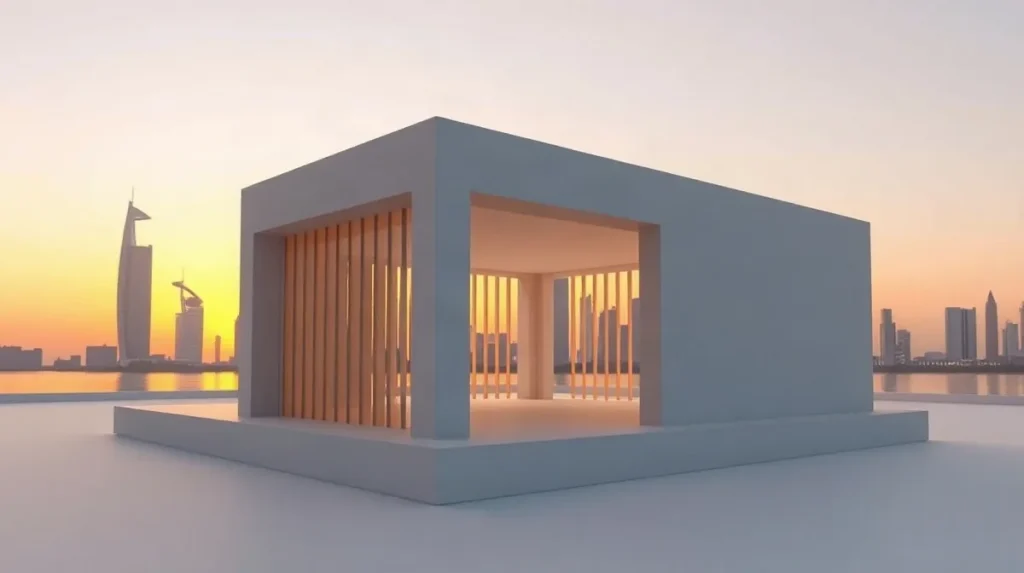
Gerhard Richter Pavilion Opening in Doha This November
Qatar is set to inaugurate a permanent pavilion devoted exclusively to the works of Gerhard Richter this November in Doha, capping a decade of planning and negotiation. The pavilion is part of the Rubaiya Qatar initiative, a quadrennial cultural program that aims to enhance the nation’s artistic infrastructure and global cultural footprint. This marks one of the most significant investments in a single artist’s presence in the Gulf region to date.
The announcement was confirmed by leading Qatari cultural authorities earlier this year, highlighting the complexity and scale of the undertaking. The pavilion’s opening is expected to draw increased international attention to Qatar’s growing role as a hub for contemporary art exhibitions and permanent collections.
A Decade in the Making: From Vision to Reality
The project has been underway for ten years, reflecting prolonged discussions and planning stages between Qatar’s cultural institutions and representatives of Gerhard Richter. The artist, born in Dresden in 1932 and widely regarded as a pivotal figure in postwar contemporary art, has a diverse oeuvre that is now permanently accessible in the region. The extended timeframe signals the project’s ambition and the challenges of realizing a dedicated pavilion for a single artist’s work abroad.
The pavilion is a key component of the Rubaiya Qatar quadrennial, launched to promote sustained artistic engagement and infrastructure development in Qatar. This program focuses on building cultural assets that have long-term impact beyond temporary exhibitions, setting a precedent for future artist-dedicated spaces in the Middle East.
Architectural and Curatorial Aspects
While specific details about the pavilion’s architect remain undisclosed, the design process has involved collaboration with leading international architects and curators to ensure the building complements Richter’s wide-ranging body of work. The facility is expected to accommodate large-scale paintings, photographic series, and experimental pieces, reflecting the artist’s versatility.
Curators involved in the project emphasize that the pavilion will not only serve as a display space but also as a center for research and education related to Richter’s contributions to contemporary art. This dual function supports Qatar’s ongoing efforts to develop its cultural tourism sector and educational outreach.
Qatar’s Expanding Role in Global Art
Qatar’s initiative to build a permanent pavilion for a single internationally acclaimed artist is part of a broader strategy to position the country as a critical player in the global art market. The cultural sector has seen exponential growth, with investments exceeding hundreds of millions of dollars in museum construction, acquisitions, and cultural programming in the past decade.
This pavilion adds to Qatar’s portfolio of world-class institutions such as the Museum of Islamic Art and Mathaf: Arab Museum of Modern Art. By anchoring Richter’s work in Doha, Qatar signals its commitment to diversifying its cultural offerings beyond regional and traditional art, attracting scholars, collectors, and tourists worldwide.
Implications for Contemporary Art and Cultural Exchange
The Gerhard Richter pavilion is expected to enhance cross-cultural dialogue by introducing Middle Eastern audiences to a comprehensive, permanent collection of one of Europe’s most influential contemporary artists. It also opens pathways for future collaborations between European and Middle Eastern art communities.
The pavilion’s establishment may encourage other countries in the region to pursue similar cultural investments centered on prominent international artists, potentially reshaping the global landscape of art exhibitions and permanent collections. Qatar’s model demonstrates how strategic cultural investment can amplify a nation’s soft power and foster international artistic exchange.
Takeaway
Qatar’s opening of a permanent Gerhard Richter pavilion this November represents a landmark cultural achievement with far-reaching implications for the global art world and regional cultural development.
Sources
- artnews.com — “Qatar Is Building a Permanent Pavilion for Gerhard Richter to Open”
- theartnewspaper.com — “A Gerhard Richter pavilion and a new creative visa—Qatar’s Sheikha al-Mayassa reveals future plans – The Art Newspaper – International art news and events”
- The Art Journal — “Qatar bought its way to the Biennale | The Art Journal”
- Observer — “Qatar Will Build a Permanent Pavilion in the Giardini della Biennale”
- fondationlouisvuitton.fr — “Gerhard Richter – Fondation Louis Vuitton”