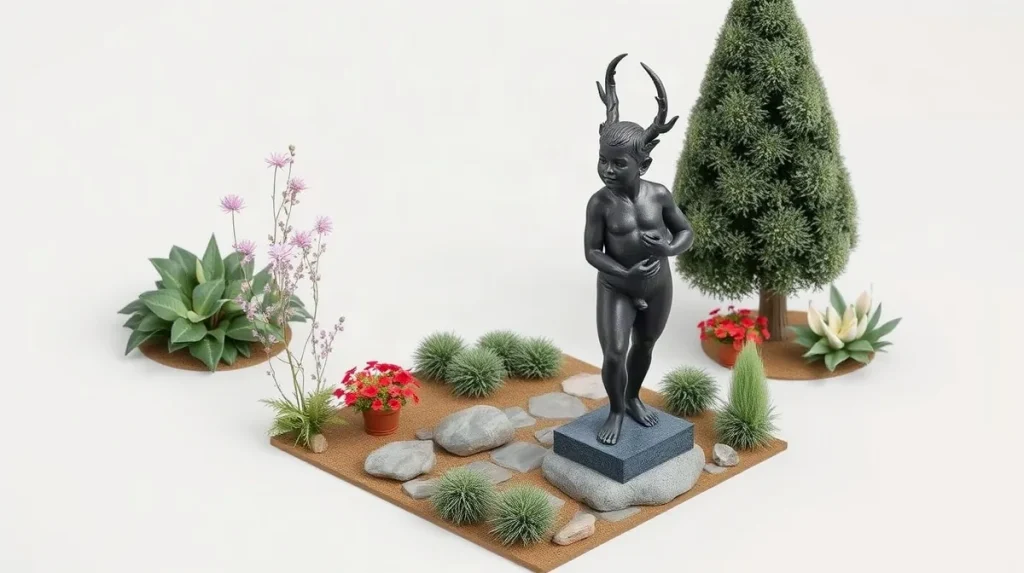
Long-Lost Bronze Faun Sculpture Recovered After 33 Years
Alfred Lepère’s 19th-century bronze sculpture titled Faune Chasseur, stolen in 1993 from the Amiens Zoo in northern France, has been recovered in the United States and returned to France in 2026. The sculpture, weighing approximately 300 pounds, was identified during due diligence by the London-based Art Loss Register ahead of a planned auction sale. This recovery marks a significant moment in art repatriation, as the sculpture had been missing for over three decades.
The Faune Chasseur was commissioned by the French State in 1863 and is part of the national collection managed by the Centre National des Arts Plastiques. Its theft in 1993 from a public zoological park had left its whereabouts unknown until it surfaced in a US auction catalogue thousands of miles from its original location.
Art Loss Register’s Role in Recovery
The Art Loss Register (ALR), a London-based organisation specializing in stolen art recovery, played a crucial role in the sculpture’s identification and repatriation. During routine provenance checks for an auction house client in 2026, ALR matched the sculpture against its global stolen art database, revealing its history and confirming it as the stolen Faune Chasseur.
Charlotte Chambers-Farah, ALR’s business development and client manager, emphasized the importance of thorough due diligence in the art market. She noted that despite the sculpture’s substantial size and weight—approximately 300 pounds—its location remained unknown for more than 30 years until it appeared unexpectedly in the US. This underscores challenges in tracking stolen artworks, especially large-scale sculptures, which can vanish into private hands for decades.
Historical and Cultural Significance of the Sculpture
The bronze faun sculpture by Alfred Lepère was commissioned by the French State during the mid-19th century and holds cultural significance as part of France’s national art heritage. The work was originally displayed at the Amiens Zoo, a public institution in the Hauts-de-France region, making its theft not only a loss to the art world but also to local cultural patrimony.
Its recovery and return to the Musée de Picardie in Amiens restore an important piece of 19th-century French sculpture to public view. The museum now serves as the sculpture’s permanent home, offering renewed opportunities for educational and cultural engagement with the public.
Implications Amid Rising Art Thefts Globally
The Faune Chasseur’s recovery comes at a time when art thefts targeting public institutions have been increasing worldwide, including high-profile incidents involving major museums like the Louvre. Such thefts often focus on the material value of works, raising concerns about the potential destruction or illicit trade of cultural assets.
Chambers-Farah highlighted that the sculpture’s survival for over three decades suggests that stolen artworks may endure in private collections rather than being melted down or destroyed. This offers hope that lost cultural heritage can be recovered, even after extended periods, reinforcing the value of international collaboration and vigilance in the art market.
Future Prospects for Art Recovery Efforts
The successful identification and repatriation of the Faune Chasseur demonstrate how modern databases and cross-border cooperation can aid in recovering stolen art. The Centre National des Arts Plastiques, which manages France’s national collection, can now ensure the sculpture is protected and accessible to the public.
This case may encourage further diligence among auction houses, galleries, and collectors worldwide to verify provenance rigorously. It also reaffirms the importance of institutions like the Art Loss Register in safeguarding cultural heritage and deterring art crime through comprehensive tracking and reporting systems.
Takeaway: The return of Alfred Lepère’s stolen bronze faun sculpture to Amiens after 33 years exemplifies the power of persistent art recovery efforts and thorough provenance research in restoring lost cultural treasures.