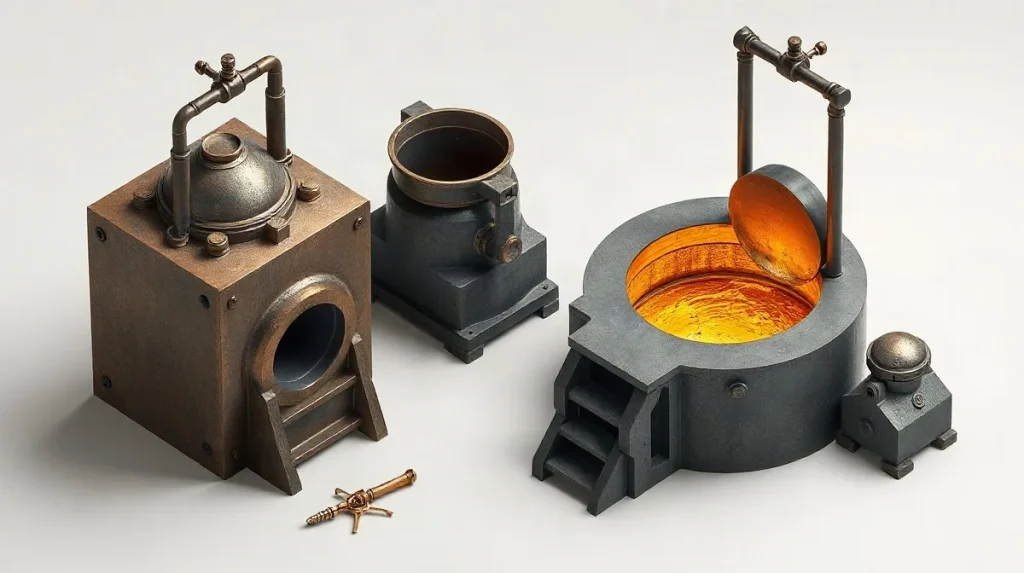
The Benin Bronzes are cast using the lost-wax technique, a meticulous process where a wax model is coated in clay to form a mold, then heated to melt away the wax before molten metal is poured in to take its place. This ancient method allows for intricate detailing and has been central to Benin’s renowned metal artistry.
The lost-wax technique, also known as cire perdue, has been practiced for centuries by the Edo people of Nigeria, producing the iconic Benin Bronzes celebrated for their craftsmanship and historical significance. These artifacts, ranging from plaques to statues, capture the rich cultural narratives and royal heritage of the Benin Kingdom through their detailed bronze surfaces.
Understanding how the Benin Bronzes are cast sheds light on both the technical skill and cultural importance behind these masterpieces. Exploring the lost-wax process reveals not only the artistry but also the enduring legacy of traditional African metalworking techniques that continue to inspire artists and historians worldwide.
| Stage | Duration | Materials Used | Purpose |
|---|---|---|---|
| Wax Modeling | 5-7 days | Beeswax, local tree resins | Create detailed positive model |
| Mold Building | 3-4 days | Fine clay, charcoal dust | Form heat-resistant mold around wax |
| Wax Removal Heating | 3-5 days | Charcoal fuel | Melt out wax leaving cavity |
| Bronze Pouring | Hours | Copper-tin alloy (90% Cu, 10% Sn) | Fill mold with molten metal |
| Finishing | 3-4 days | Polishing stones, patination materials | Surface smoothing and coloration |
- 90% Copper content in typical Benin bronze alloy
- 1,100°C Approximate bronze casting temperature
- 2 weeks Time required to produce one bronze plaque
- 15% Typical loss rate due to casting defects in traditional workshops
What are the main steps in the traditional lost-wax casting method used for Benin Bronzes?
The traditional lost-wax casting method for Benin Bronzes involves creating a detailed wax model, encasing it in a multi-layered clay mold, melting out the wax to form a cavity, and pouring molten bronze alloy at high temperatures into this hollow space to produce the final sculpture.
Wax Preparation and Mold Building
The process begins with sculpting a wax model, a stage that can take up to 7 days for intricate plaques, allowing for precise detailing. This wax form is then coated with successive layers of fine clay mixed with charcoal dust to build a robust mold. Typically, around 6 layers are applied to ensure strength and thermal resistance. The clay-encased wax is carefully dried before the mold undergoes a gradual heating process lasting 3 to 5 days. This slow heating melts the wax, which drains away, leaving a hollow cavity that perfectly captures the original design. The methodical layering and extended drying are critical to prevent cracking and ensure the mold’s durability during casting.
Casting and Cooling
Molten bronze, usually composed of about 90% copper and 10% tin, is heated to approximately 1,100°C before being poured into the preheated mold cavity. This alloy ratio provides the necessary hardness and fluidity for fine sculptural details. After pouring, the bronze is allowed to cool and solidify inside the mold. Once cooled, the clay mold is broken away, revealing the cast bronze object, which is then refined through polishing and finishing techniques. This exacting temperature control and alloy composition are essential to achieve the characteristic quality and durability of Benin Bronzes.
How did the material composition and casting temperature influence the quality of Benin Bronzes?
The material composition and casting temperature critically shaped the quality of the Benin Bronzes by balancing durability and surface finish. These bronzes were primarily made from a copper-tin alloy containing 8% to 12% tin, which enhanced their strength and resistance to corrosion. Casting temperatures were carefully maintained around 1,100°C, a threshold that ensured the molten bronze was sufficiently fluid to fill detailed molds without causing excessive oxidation that could degrade the surface.
Impact of Alloy Composition and Temperature Control
The choice of the copper-tin ratio directly influenced the bronzes’ mechanical properties and longevity, with tin content below 8% risking brittleness and above 12% potentially making casting more difficult. Maintaining casting temperatures near 1,100°C allowed artisans to optimize fluidity while avoiding overheating that could oxidize the metal. This temperature range was supported by the use of charcoal as a reducing agent during firing, which helped limit oxidation and contributed to a finer surface finish.
- Copper-tin alloy with 8% to 12% tin for optimal durability.
- Casting temperature approximately 1,100°C to balance fluidity and oxidation control.
- Charcoal employed as a reducing agent during firing to improve surface quality.
- Post-casting polishing and patination applied within two weeks to stabilize the bronze surface.
When and where were these traditional lost-wax casting techniques established in Benin history?
The traditional lost-wax casting techniques of Benin were established by at least the 13th century CE, aligning with the emergence of the Benin Kingdom. By the 15th century, Benin City’s royal workshops, managed by specialized guilds, had formalized the craft, with records from the late 1400s noting over 50 artisans dedicated to bronze casting under royal patronage.
Guild System and Historical Impact
The guild system in Benin City, established in the late 15th century, organized artisans into a structured community that preserved and refined lost-wax casting methods. These guilds operated within the royal palace precincts, ensuring high standards and royal control. However, the British punitive expedition of 1897 disrupted this tradition by dispersing many artisans and looting artifacts, though local workshops and diaspora communities have maintained these casting traditions to the present day.
What cultural significance do the Benin Bronzes’ casting methods hold within the Edo community?
Rituals and Guild Control
The casting methods of the Benin Bronzes hold profound cultural significance within the Edo community as a sacred ritual deeply embedded in royal ceremonies and ancestral veneration. Each casting cycle, lasting up to three days, involves precise rituals including offerings to ancestral spirits, underscoring the spiritual protection believed necessary for successful creation. The Igun-Eronmwon, or Blacksmith Guild, holds exclusive rights to cast these bronzes, enforcing both cultural continuity and strict technical secrecy that preserve the traditional knowledge passed down for centuries.
The guild’s monopoly is not merely economic but a cultural safeguard, ensuring that the lost-wax techniques remain authentic and aligned with Edo spiritual values. This exclusivity has maintained the integrity of the process since at least the 16th century, when the earliest known plaques were created. The ritual duration of three days includes specific ceremonies such as invoking the Oba’s blessing and honoring the guild’s ancestors, highlighting how the casting process is inseparable from Edo identity.
Historical Narratives in Bronze
The Benin Bronzes serve as more than ornamental art; they are vital historical records that visually narrate the deeds and lineage of the Oba, the Edo king. The plaques depict scenes from royal history, battles, and court life, functioning as a medium through which the community’s past is both preserved and communicated. This narrative function elevates the casting method to a custodian of Edo collective memory, where each bronze piece is an enduring testament to the kingdom’s heritage.
- The plaques commonly measure between 30 and 60 centimeters in height, providing a standardized format for storytelling.
- Each piece’s creation is linked to a royal commission, reinforcing the bronzes’ role as official historical documentation within palace archives.
- The guild’s control ensures that the iconography adheres to Edo court conventions, maintaining accuracy and respect for tradition.
What are the common limitations and challenges of the Benin lost-wax casting process?
Production Time and Yield Loss
The Benin lost-wax casting process is notably time-intensive and prone to material loss during production. Crafting a single bronze plaque can take up to two weeks, encompassing wax modeling, mold preparation, casting, and final polishing stages. This extended duration reflects the intricate detail required in each piece and the traditional manual techniques employed. Additionally, the high temperatures necessary for melting bronze alloys combined with careful manual mold handling result in a risk of mold cracking or incomplete metal flow. Some Benin workshops experience yield losses as high as 15%, where defective castings must be discarded or reworked, impacting overall efficiency and resource use.
Material and Resource Constraints
Scarcity of essential raw materials has historically constrained Benin bronze production. Particularly, quality tin—an important component of the bronze alloy—has been limited, affecting both the volume of artworks produced and the consistency of alloy composition. Today, modern artisans attempting to replicate traditional Benin methods face further challenges sourcing authentic materials such as the specific charcoal types and clay mixtures originally used for molds. These natural materials are vital for achieving the texture and thermal properties characteristic of Benin casting but are increasingly difficult to obtain in their traditional form, complicating efforts to maintain historical accuracy.
- Production time per plaque: up to 14 days
- Yield loss rate in some workshops: up to 15%
- Key alloy component: quality tin scarcity affecting bronze consistency
- Traditional materials: authentic charcoal and clay now hard to source
Frequently asked questions
What alloy composition is typical for Benin Bronzes?
How long does the entire casting process take for a typical Benin bronze plaque?
Why is the lost-wax technique important culturally in Benin?
What major event disrupted Benin bronze production in the 19th century?
Key takeaways
- Benin Bronzes use a copper-tin alloy with around 10% tin for durability.
- Lost-wax casting involves up to 6 layers of clay mold and 3-5 days of heating to remove wax.
- The Igun-Eronmwon guild has maintained cultural and technical control since the 15th century.
- Casting a single bronze plaque can take up to two weeks, reflecting labor intensity.
- Material and temperature control are critical to avoid casting defects and yield losses.