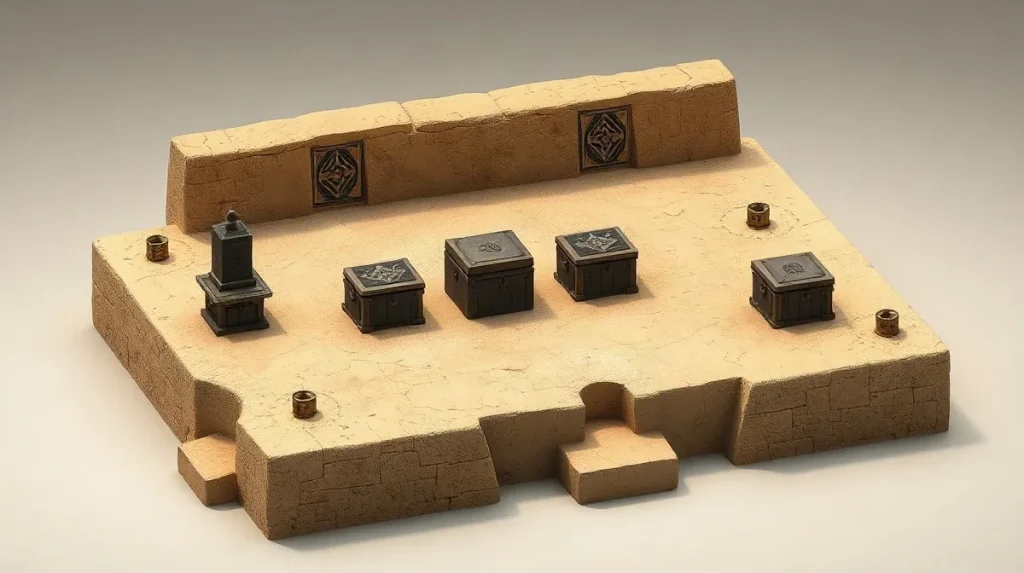
Discovery of an Untouched Elite Funerary Platform at Chan Chan
On 8 September 2026, Peru’s Ministry of Culture announced the unearthing of a nearly intact funerary platform dating back 600 years at Chan Chan, the former capital of the Chimú Kingdom. This discovery is unique because it is the only elite funerary platform at Chan Chan that remains untouched by looters since colonial times, containing the remains of 38 individuals along with jewellery, metal weapons, beads, textiles, and carved wooden boxes adorned with metal appliqués.
The site’s preservation provides unprecedented insight into Chimú elite burial customs and associated ceremonial practices. Archaeologists emphasize the find’s importance given Chan Chan’s status as the largest adobe city in the Americas and a UNESCO World Heritage Site since 1986.
Context of the Chimú Kingdom and Chan Chan’s Significance
The Chimú culture flourished along Peru’s northern coast from the 9th to 15th centuries, with Chan Chan serving as its political and ceremonial center. The city’s architecture and layout reflect a complex social and political organization that integrated grand funerary platforms within palace complexes as focal points of elite ritual life.
According to archaeologist Nadia Gamarra Carranza, funerary rituals were central to Chimú society, often involving elaborate burial platforms linked to rulers. However, most such elite tombs at Chan Chan have been looted since the founding of nearby Trujillo in 1534, due to the presence of precious metals, making this intact platform an extraordinary find.
Details of the Burial Site and Artifacts Found
The funerary platform lies within the Utzh An complex near Trujillo, featuring a 1.2-meter-wide, 5-meter-deep central chamber accessed by a 2.5-meter staircase, flanked by two lateral chambers each measuring 1.5 meters wide and 8 meters long. The central chamber contained one individual with shell and metal objects, while one lateral chamber held weapons and metal emblems and the other contained 20 individuals plus 18 more on the platform itself.
Items such as jewellery made from shells and quartz, ear ornaments, and necklaces indicate the high status of those interred. Notably, one individual was buried fully extended—unusual for Chimú burials, which typically feature flexed or seated positions—suggesting possible hierarchical distinctions or ritual sacrifice within the elite class.
Significance of Pigments and Burial Practices
Red pigment found on some skulls and pottery, likely mercury sulfide or cinnabar, is a key element linking the burial to elite Chimú funerary traditions. Henry Gayoso Rullier, head of Chan Chan research, notes cinnabar’s widespread use across the Central Andes for pottery, murals, warriors’ bodies, sacrifices, and funerary masks, underscoring its ritual importance.
The platform’s intact chambers provide evidence of the Chimú conception of death as a continuation of social ties, with ancestor veneration playing a key role. Jorge Meneses, lead archaeologist, highlights that the central chamber offers a snapshot of extended rituals honoring elite ancestors politically tied to the Chimú Kingdom, reflecting a broader Andean belief system.
Research and Conservation Efforts Moving Forward
Excavations at the site are set to continue through 2027 under the direction of Sinthya Cueva, who leads Chan Chan’s research program. Current studies include bioanthropological analyses to determine the age, sex, diet, and biological relationships among the buried individuals, aiming to deepen understanding of Chimú social structures.
Conservation is a priority, with site conservator Roxana Loayza emphasizing the need to evaluate and establish preservation conditions before any storage or exhibition of the artifacts and remains. This ongoing work builds on research initiated in 2015, promising to reshape knowledge of pre-Columbian funerary customs and Chimú cultural expressions.
Takeaway: The discovery of this pristine funerary platform at Chan Chan opens a rare window into Chimú elite rituals and regional cultural heritage previously obscured by centuries of looting.