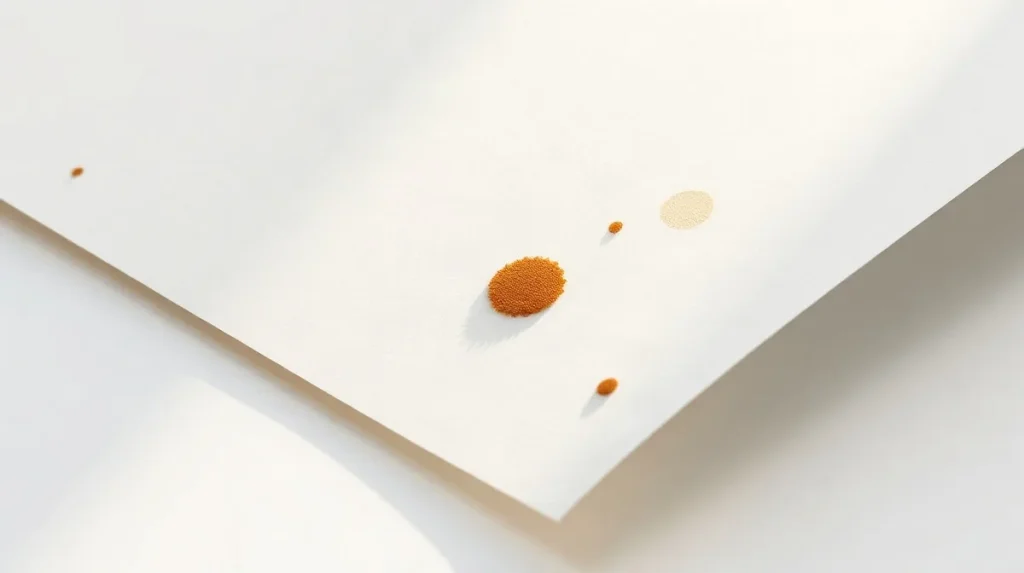
Foxing on paper works refers to the reddish-brown spots and stains that appear over time due to chemical reactions and environmental conditions, significantly affecting the appearance and structural stability of paintings on paper. This deterioration challenges conservators by complicating restoration and preservation efforts, often requiring specialized treatment to mitigate its impact.
Understanding what foxing is on paper works is crucial for anyone involved in the care and conservation of artworks on paper. These unsightly blemishes not only diminish the aesthetic value but can also indicate deeper issues with the paper’s integrity. As such, foxing poses a persistent threat to the longevity of paintings, prints, and drawings housed in museums, galleries, and private collections worldwide.
The impact of foxing on painting conservation extends beyond mere surface discoloration. It involves complex chemical processes influenced by factors such as humidity, mold, and metallic impurities within the paper. Conservators must navigate these challenges carefully to preserve the artist’s original intent while preventing further damage, making foxing a critical topic in contemporary art preservation discussions.
| Treatment Method | Effectiveness | Risks | Typical Cost |
|---|---|---|---|
| Deacidification (Bookkeeper® spray) | High at halting progression | Possible pigment alteration | $150 per liter |
| Localized Hydrogen Peroxide (3%) | Moderate stain reduction | Color fading, paper weakening | Low, <$50 per treatment |
| Humidity Control (45-55%) | Prevents new foxing | No direct risks | $50-$100 for digital hygrometer |
| Mechanical Cleaning | Limited | Microabrasions, paper damage | Varies, labor intensive |
- 40% Incidence of foxing in antique prints pre-1900
- 15% Increase in fiber fragility in foxed paper areas
- 30-50% Market value reduction in paintings with visible foxing
- 3% Concentration of hydrogen peroxide used in localized foxing treatments
- 45-55% Recommended relative humidity range to prevent foxing
What causes foxing on paper artworks and how can it be identified?
Causes
Foxing on paper artworks is primarily caused by mold growth and iron impurities within the paper fibers, especially when humidity exceeds 65% relative humidity, as outlined in the International Institute for Conservation (IIC) guidelines from 2024. The presence of iron gall ink or low-quality pulp in paper produced before 1900 significantly increases susceptibility, with antique prints showing foxing in up to 40% of cases according to a 2023 Getty Conservation Institute survey.
Visual Identification
Foxing appears as reddish-brown or yellowish spots, typically ranging from 1 to 3 millimeters in diameter. These spots can merge into larger stains and are often revealed more clearly under magnification using a 10x loupe, a common tool employed by paper conservators. Identifying foxing requires careful inspection of these characteristic spots, which differ from other types of staining by their color and size.
- Humidity threshold: Above 65% relative humidity promotes mold growth causing foxing (IIC, 2024).
- Spot size: Foxing marks typically measure 1–3 mm in diameter, visible under 10x magnification.
- Incidence rate: Up to 40% of pre-1900 prints, especially with iron gall ink, exhibit foxing (Getty Conservation Institute, 2023).
Why does foxing matter for the conservation of paintings on paper?
Structural Impact
Foxing significantly undermines the conservation of paintings on paper by weakening the cellulose fibers that form the paper’s foundation, increasing fragility and the risk of damage. A 2025 study by the Canadian Conservation Institute found that foxed areas exhibit a 15% rise in fiber fragility, making delicate media like watercolor and gouache especially vulnerable to cracking and flaking during handling or display.
Moreover, foxing can amplify chemical degradation when combined with environmental pollutants such as sulfur dioxide, which averages around 20 parts per billion in urban atmospheres. This interaction accelerates acid hydrolysis and oxidative damage, further destabilizing paper fibers and complicating long-term preservation efforts in museum and gallery settings.
Economic and Aesthetic Consequences
The visual presence of foxing visibly diminishes the aesthetic quality of works on paper, directly affecting their market value. Auction houses like Sotheby’s recommend explicitly noting foxing in condition reports because it can reduce sale prices by 30–50%. This depreciation impacts collectors, dealers, and institutions managing valuable portfolios of paper-based artworks.
- Fiber fragility increase: 15% in foxed areas (Canadian Conservation Institute, 2025)
- Urban sulfur dioxide concentration: ~20 ppb, exacerbating foxing effects
- Market value reduction due to foxing: 30–50% (Sotheby’s condition report guidelines)
How is foxing treated or mitigated during painting conservation?
Chemical Treatments
Foxing is treated during painting conservation primarily through targeted chemical interventions that reduce existing stains and stabilize the paper’s acidity. Conservators often use deacidification sprays such as Bookkeeper® spray, which neutralizes acidic compounds in paper and helps halt foxing progression. This product, priced at approximately $150 per liter, is widely employed in museum conservation treatments to extend the lifespan of paper-based artworks. Additionally, localized applications of 3% hydrogen peroxide solutions may be used to lighten foxing stains; however, this method is restricted to works with very stable inks and pigments due to risks of color bleaching or weakening of the paper fibers.
Environmental Control
Maintaining optimal storage conditions is essential to mitigate foxing and prevent its recurrence. The American Institute for Conservation (AIC) recommends controlling relative humidity between 45% and 55% and a temperature near 20°C to minimize mold growth, a key contributor to foxing. These environmental thresholds reduce the biological activity that causes discoloration and paper deterioration. Implementing such standards in storage and display environments is a cornerstone of conservation strategy, often supported by climate control systems in museums and archives.
- Bookkeeper® spray: $150 per liter
- Hydrogen peroxide solution: 3% concentration for localized stain reduction
- Humidity range: 45%–55% relative humidity (AIC, 2026)
- Temperature target: ~20°C (AIC, 2026)
What are the limitations and risks of foxing removal methods in painting conservation?
Chemical Risks
Foxing removal methods involving chemical agents carry significant risks, including color alteration and pigment fading. A 2026 report from the National Gallery of Art highlights that even mild hydrogen peroxide treatments can reduce color saturation by up to 10% in water-based pigments, threatening the visual integrity of affected paintings. Chemical bleaching agents like sodium hypochlorite or calcium hypochlorite pose similar risks, particularly for delicate media sensitive to oxidation. The unpredictable interaction between these chemicals and historic pigments means conservators must carefully weigh the benefits of foxing reduction against potential irreversible damage.
Mechanical Risks
Mechanical removal techniques, such as scrubbing or abrasion, risk damaging the paper’s surface and weakening its structure over time. Overcleaning can cause microabrasions that compromise the paper’s durability and lead to increased brittleness. Conservators at institutions like the Victoria and Albert Museum recommend using cotton swabs with minimal pressure under magnification to mitigate these risks. Complete foxing eradication is often unattainable without endangering the artwork’s stability, prompting a focus on preventative conservation rather than aggressive stain removal.
- Hydrogen peroxide treatments can reduce color saturation by up to 10% in sensitive pigments (National Gallery of Art, 2026).
- Mechanical cleaning should involve cotton swabs with minimal pressure under magnification to prevent microabrasions (Victoria and Albert Museum conservation guidelines, 2026).
- Complete foxing removal is rarely achievable without risking damage, emphasizing preventative conservation strategies.
How can collectors and institutions prevent foxing in paintings on paper?
Collectors and institutions can prevent foxing in paintings on paper by controlling environmental factors and using archival-quality materials that inhibit acid migration and mold growth. Maintaining stable conditions and protecting artworks from pollutants are essential strategies to minimize foxing’s occurrence and preserve paper-based works long-term.
Archival Materials
Employing archival materials with specific chemical properties is crucial in preventing foxing. Using buffered mats and acid-free backing boards with pH levels between 7.0 and 8.5, compliant with ANSI/NISO Z39.48-2026 standards, helps prevent the acid migration that accelerates foxing. Storing works in inert polyester sleeves such as Melinex® further reduces exposure to airborne mold spores and iron contaminants, both contributors to foxing discoloration.
Environmental Monitoring
Environmental control is another key measure. The Museum of Modern Art’s conservation department advocates maintaining relative humidity consistently below 55%, achievable through routine monitoring with digital hygrometers priced between $50 and $100. Avoiding placement in areas with high pollution levels also decreases the risk of fungal growth and metal-catalyzed oxidation that cause foxing.
- Buffered mats and acid-free boards with pH 7.0–8.5 (ANSI/NISO Z39.48-2026)
- Sealed Melinex® polyester sleeves for storage
- Relative humidity below 55%, monitored by $50–$100 digital hygrometers
- Avoidance of high pollution environments
Frequently asked questions
Is foxing reversible once it appears on paper artworks?
Does foxing affect all types of paper equally?
Can environmental controls completely prevent foxing?
Are there any safe commercial products for treating foxing at home?
Key takeaways
- Foxing results from mold and iron impurities in paper, worsened by humidity above 65%.
- It causes both aesthetic damage and structural weakening of paintings on paper.
- Effective treatment involves chemical deacidification and strict humidity control between 45–55%.
- Aggressive removal risks pigment fading and paper damage; prevention is preferable.
- Archival materials and sealed storage reduce future foxing development.