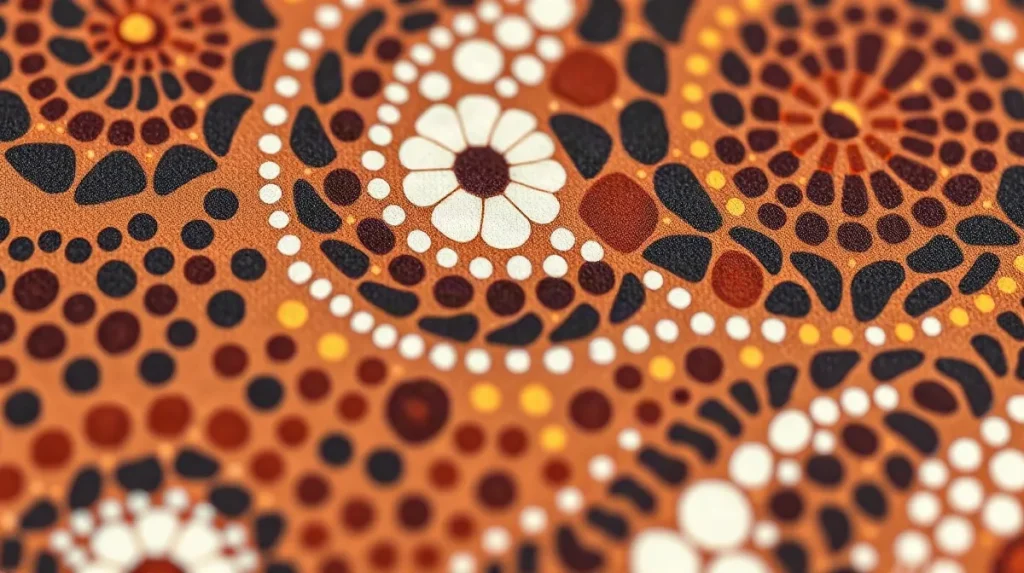
Collecting Aboriginal Australian painting is an endeavor that goes beyond mere acquisition; it invites a deep engagement with one of the world’s oldest continuous artistic traditions. These paintings are not only visually captivating but also carry profound cultural narratives, spiritual significance, and ancestral knowledge that have been passed down through generations. Understanding the traditions behind these artworks is essential for collectors who seek to appreciate their true value and meaning.
Ethics play a crucial role in the collection of Aboriginal Australian painting, as issues of provenance, cultural sensitivity, and respect for Indigenous ownership must be carefully navigated. Collectors today are increasingly aware that acquiring these works responsibly involves collaboration with Indigenous communities and adherence to protocols that honor their cultural heritage. This ethical framework ensures that collecting is not only an act of appreciation but also one of cultural preservation and support.
| Style | Region | Technique | Cultural Significance |
|---|---|---|---|
| Dot Painting | Papunya Tula (Central Australia) | Intricate dots forming stories and maps | Represents Dreamtime narratives with community permission |
| Cross-Hatching (Rarrk) | Arnhem Land (Northern Australia) | Fine parallel lines creating patterns | Used in ceremonial art and clan identification |
| Bark Painting | Northern Australia | Natural pigments on eucalyptus bark | Traditional medium conveying ancestral stories |
- 1999 Year Kluge-Ruhe Aboriginal Art Collection was established
- $1,000–$100,000+ USD Typical price range for authenticated Aboriginal paintings
- 1823–1903 Lifespan of William Barak, a significant Aboriginal artist
- 1988 Year of the 'Dreamings' exhibition that raised U.S. awareness of Aboriginal art
What cultural permissions are required to create and collect Aboriginal Australian paintings?
Cultural Authority and Story Rights
Creating and collecting Aboriginal Australian paintings requires strict adherence to cultural permissions grounded in community protocols. Artists must inherit rights to specific Dreamtime stories, which are passed down through generations within their Aboriginal communities, granting them authority to depict these narratives. Permission to paint particular designs or stories is not only a matter of personal choice but a cultural responsibility; without it, reproductions risk being unauthorized and constitute cultural appropriation, thereby undermining the artwork’s authenticity and spiritual significance. In many Indigenous communities, these rights are carefully regulated, with some artworks linked to clan or kinship systems, meaning only certain individuals can depict certain motifs. For instance, some artists’ permissions are tied to their familial lineage or ceremonial role, making the unauthorized use of these stories both culturally disrespectful and legally sensitive.
Institutional Support for Protocols
The Kluge-Ruhe Aboriginal Art Collection, established in 1999 at the University of Virginia, plays a vital role in promoting respect for these cultural permissions among collectors and the public. As the only museum outside Australia dedicated solely to Indigenous Australian art, Kluge-Ruhe provides educational programs that emphasize the importance of proper cultural protocols. Its exhibitions and publications stress that collectors should verify artists’ rights and ensure artworks are acquired through ethical channels. Collectors typically face price ranges from several thousand to tens of thousands of dollars for authentic paintings created with full cultural authorization, reflecting both artistic and cultural value. Institutions like Kluge-Ruhe advocate for transparency in provenance and encourage buyers to seek documentation of permission, helping to protect Aboriginal cultural heritage from exploitation.
How can collectors ensure authenticity when acquiring Aboriginal paintings?
Provenance and Documentation
Collectors can ensure the authenticity of Aboriginal paintings primarily by obtaining thorough provenance documentation that traces the artwork’s history directly back to the artist or their community. This documentation is critical because Aboriginal artworks often depict culturally specific stories requiring permission, making lineage verification essential. Provenance records typically include artist signatures, certificates of authenticity, and community endorsements. The 1988 “Dreamings” exhibition in the United States was a landmark event that established clearer standards for verifying Indigenous Australian art, emphasizing provenance as a key factor in authentication. Without such documentation, buyers risk acquiring works that lack cultural legitimacy or are misattributed, undermining both ethical and financial value.
Trusted Sources and Market Pricing
Reputable galleries and institutions remain the safest avenues for acquiring verified Aboriginal paintings. For instance, the Japingka Aboriginal Art Gallery in Australia is renowned for offering certified artworks with documented provenance, while the Kluge-Ruhe Aboriginal Art Collection at the University of Virginia provides museum-quality, authenticated pieces. Prices for genuine Aboriginal paintings vary significantly based on artist reputation and provenance, ranging from a few thousand to over $100,000 USD. When evaluating purchases, collectors should prioritize:
- Certified provenance documentation directly linking the piece to the artist or community
- Sales through established galleries like Japingka Aboriginal Art Gallery
- Museum collections such as Kluge-Ruhe, which curate works with rigorous authentication
- Price ranges consistent with market standards, generally between $3,000 and $100,000 USD
What ethical issues arise in collecting Aboriginal Australian art?
Respecting Cultural Ownership
Collecting Aboriginal Australian art raises ethical concerns primarily related to cultural appropriation and the unauthorized use of sacred imagery. Many Aboriginal artworks represent ancestral stories and Dreamings, which require formal permission from the artist’s community to depict. For example, artists inherit rights to these stories through recognized kinship systems, and unauthorized reproduction can violate these cultural protocols. Collectors must be vigilant to avoid acquiring works that distort or alter sacred designs outside of community-sanctioned practices, as emphasized by Indigenous aesthetic theory. The Kluge-Ruhe Aboriginal Art Collection at the University of Virginia—established in 1999 and the only U.S. museum dedicated solely to Indigenous Australian art—advocates for this respect through community consultation and careful curation, ensuring that artworks valued at tens of thousands of dollars are presented with cultural sensitivity.
Supporting Indigenous Communities
Ethical collecting also involves supporting Aboriginal artists directly to sustain their livelihoods and cultural heritage. Purchasing artworks through reputable galleries such as Japingka Aboriginal Art Gallery, which offers pieces ranging from $500 to over $20,000, helps ensure that artists and their communities benefit economically. Moreover, collectors should prioritize works accompanied by provenance documentation verifying artist consent and origin. This approach counters exploitative practices and encourages the continuation of traditional knowledge. Institutions like Kluge-Ruhe have demonstrated since 2018, through exhibitions such as Beyond Dreamings, that engagement with Indigenous perspectives and ongoing dialogue with community representatives are essential for ethical stewardship.
- Formal permission to depict sacred stories passed down through kinship rights
- Artworks priced between $500 and $20,000 in established galleries
- Kluge-Ruhe Collection founded in 1999, with community consultation protocols
- Exhibitions like Beyond Dreamings (2018) emphasizing Indigenous engagement
What are the key artistic traditions and styles in Aboriginal Australian painting to recognize?
Major Styles and Techniques
Key artistic traditions in Aboriginal Australian painting include dot painting, cross-hatching (rarrk), and natural pigment bark painting, each with distinct cultural and regional origins. Dot painting emerged prominently in the 1970s through the Papunya Tula movement, using intricate dots to depict ancestral stories and landscapes, often encoded with sacred meaning. This technique has become emblematic of Western Desert art. In contrast, rarrk, characterized by fine cross-hatching lines, is a hallmark of Arnhem Land artists, employing natural ochres on bark to create complex patterns that signify clan identity and connection to country. Bark painting itself, utilizing pigments derived from earth and charcoal, has been practiced for centuries and often requires artists to hold specific rights to traditional stories. Collectors can identify these styles by their materials—dot paintings typically use acrylic on canvas priced from $5,000 to $50,000 for established artists, while bark paintings with rarrk may range from $3,000 to $20,000 depending on provenance.
Historical and Contemporary Significance
William Barak (1823–1903) stands as a foundational figure in Aboriginal art history, bridging pre-colonial traditions with contemporary recognition. His works document Wurundjeri cultural narratives through early painting and drawing, setting a precedent for cultural preservation and artistic expression. Today, Aboriginal art is recognized as one of the most vital contemporary art forms of the 20th and 21st centuries, with institutions like the Kluge-Ruhe Aboriginal Art Collection at the University of Virginia actively promoting global appreciation. The continuation of these traditions requires artists to inherit or be granted rights to specific stories, ensuring cultural protocols are respected. This ethical framework is essential for collectors and institutions, highlighting the importance of provenance and artist authorization when acquiring works.
- Dot painting: Originated in Papunya Tula, 1970s; acrylic on canvas; prices typically $5,000–$50,000.
- Rarrk cross-hatching: Arnhem Land style; natural ochre on bark; prices $3,000–$20,000.
- William Barak (1823–1903): Early cultural documentarian and artist of Wurundjeri traditions.
- Kluge-Ruhe Aboriginal Art Collection: Established 1999; only U.S. museum dedicated to Indigenous Australian art.
When does collecting Aboriginal Australian paintings risk being problematic or ineffective?
Risks of Unverified Purchases
Collecting Aboriginal Australian paintings can become problematic when artworks lack proper provenance or are acquired from unauthorized sellers, as this can inadvertently support exploitative practices within the art market. For instance, artworks sold without documented ownership history may originate from illicit sources, contributing to a black market that undermines Indigenous artists’ rights. In 2026, prices for authentic paintings by established Aboriginal artists such as Clifford Possum Tjapaltjarri typically range from $10,000 to over $100,000 USD, but pieces sold for significantly lower prices may signal questionable origins. The Australian government’s Indigenous Art Code, established in 2010, sets standards for ethical sales and transparency; ignoring these guidelines increases the risk of funding exploitative intermediaries and diminishing artist royalties.
Consequences of Cultural Misunderstanding
Disregarding Indigenous cultural protocols when collecting Aboriginal paintings risks loss of cultural authenticity and disrespect toward community values. Aboriginal artists inherit the rights to depict specific Dreamtime stories, and unauthorized reproduction or alteration of these motifs can sever artworks from their traditional context. Collectors unfamiliar with Indigenous frameworks may misinterpret symbolic elements or underestimate their cultural significance, leading to undervaluation. The Kluge-Ruhe Aboriginal Art Collection in Virginia emphasizes this by requiring community consultation to ensure cultural integrity. Over-commercialization can also reduce artworks to mere commodities, stripping them of their spiritual and historical meaning. Maintaining respect for these cultural protocols is essential to preserving the art’s authenticity and supporting Indigenous cultural resilience.
- Australian Indigenous Art Code (established 2010): ethical sales standard
- Clifford Possum Tjapaltjarri paintings: $10,000 to $100,000+ USD price range
- Kluge-Ruhe Aboriginal Art Collection (University of Virginia): community consultation practice
- Dreamtime storytelling rights: inherited and protected within Indigenous communities
Frequently asked questions
Why is permission important for Aboriginal artists to paint certain stories?
How can I verify if an Aboriginal painting is authentic?
What makes Aboriginal Australian art different from other contemporary art forms?
Are there ethical guidelines for collectors of Aboriginal art?
Key takeaways
- Aboriginal paintings require artist permission tied to inherited story rights
- Authenticity is verified by provenance and reputable sources like Kluge-Ruhe
- Ethical collecting supports Indigenous communities and respects cultural protocols
- Dot painting and cross-hatching are key traditional styles to recognize
- Avoid unverified purchases to prevent cultural appropriation and exploitation
Sources
- press.rebus.community — “Engaging with Indigenous Art Aesthetically – Introduction to Philosophy: Aesthetic Theory and Practice”
- Kluge-Ruhe Aboriginal Art Collection — “Who We Are”
- aboriginal-art-australia.com — “The Amazing Story of Aboriginal Art”
- japingkaaboriginalart.com — “Aboriginal Art in the USA – Japingka Aboriginal Art Gallery”
- nga.gov — “Seven Things to Know About Australian Indigenous Art”