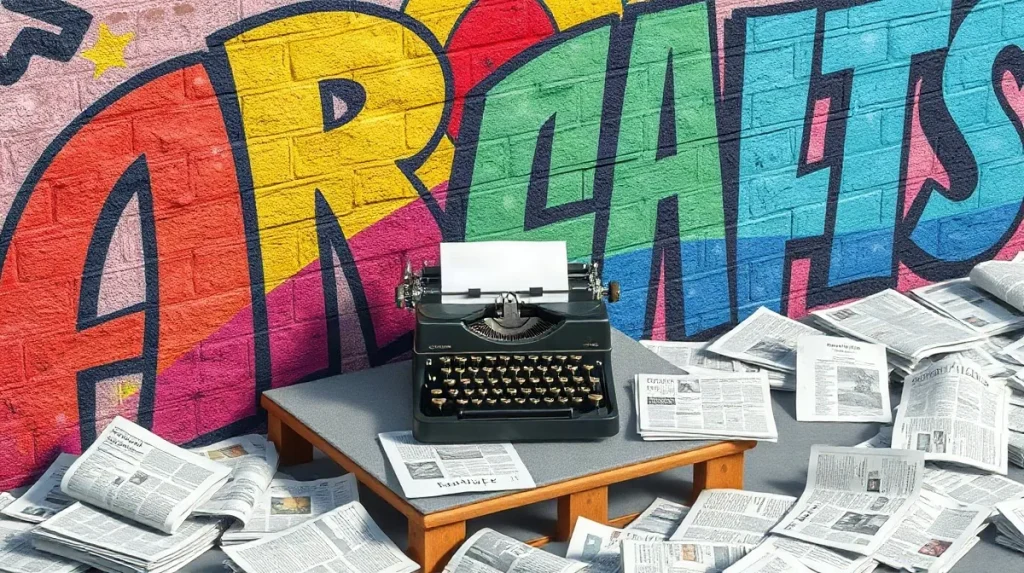
Introduction: Press as a Lens on Mexican Muralismo
Mexican muralismo, originating in the aftermath of the 1910–1920 Mexican Revolution, is a powerful art movement known for its large-scale murals depicting social and political themes. From its inception, press coverage has played a pivotal role in shaping global perceptions of this movement’s significance, both artistically and politically. Newspapers, journals, and later, international exhibitions, framed Mexican muralism as a revolutionary expression of national identity and social struggle. This article examines how media strategies, from early 20th-century periodicals to contemporary global art reviews, have influenced public reception worldwide, highlighting key moments, figures, and institutional roles in this dynamic process.
Historical Media Narratives and Their Impact
Press coverage during the 1920s and 1930s was instrumental in disseminating the muralismo message beyond Mexico’s borders. The Mexican government’s commissioning of murals in public buildings was widely reported, emphasizing themes of social justice and indigenous heritage as part of nation-building efforts. Notably, the 1924 launch of El Machete, a communist journal edited by David Alfaro Siqueiros with assistance from Diego Rivera and José Clemente Orozco, signaled a direct media strategy to politicize muralism.
Key Media Outlets and Their Roles
- El Machete (est. 1924): Communist-aligned journal promoting muralismo’s revolutionary ideals.
- New York Times: Early coverage that framed Rivera as “Mexico’s greatest painter” and highlighted murals as expressions of national spirit.
- U.S. art magazines of the 1930s–40s: Disseminated Mexican muralism’s influence on American social realism.
The press often depicted muralismo through polarized lenses—celebrated as a vehicle for social reform or criticized as communist propaganda during the growing tensions of the Cold War.
- 1924 launch year of El Machete journal
- 50+ public murals commissioned by Mexican government in the 1920s
International Exhibitions and Press Framing
From the 1920s to the 1940s, Mexican muralists gained international acclaim through exhibitions and press coverage that framed their work as emblematic of revolutionary art worldwide. Diego Rivera’s murals, for example, were featured in U.S. venues like the San Francisco Art Institute and New York’s Museum of Modern Art, where press reviews highlighted his political narratives.
Exhibition Highlights and Media Reach
- San Francisco Art Institute, 1929: Rivera’s murals introduced to West Coast audiences amid extensive newspaper coverage.
- Museum of Modern Art, New York, 1931: Major exhibition where Rivera’s work was reviewed by prominent art critics.
- Whitney Museum’s 2026 retrospective: Modern press coverage contextualizes muralismo’s legacy amid contemporary political art discourse.
| Exhibition | Year | Location | Press Coverage Scope | Political Context |
|---|---|---|---|---|
| San Francisco Art Institute | 1929 | USA | Regional newspapers, art journals | Pre-Depression optimism |
| Museum of Modern Art | 1931 | New York, USA | National press, major art critics | Great Depression, rising leftism |
| Whitney Museum Retrospective | 2026 | New York, USA | Global art media, online platforms | Contemporary political art discourse |
The international press helped frame Mexican muralismo as a global symbol of socio-political struggle and artistic innovation, influencing reception in countries beyond Mexico.
Cold War Press and the Decline of Muralismo’s Political Visibility
During the Cold War era, especially the 1950s and 1960s, the press narrative around Mexican muralism shifted. Anti-Communist sentiment in the United States led to decreased visibility and more cautious portrayals of muralismo’s political content. Press outlets often downplayed the movement’s revolutionary roots, focusing instead on aesthetic qualities or distancing from overt political messaging.
Media Strategies and Shifts
- McCarthy-era media: Reduced coverage of muralism’s communist affiliations.
- Art magazines in the 1960s: Emphasized muralismo as cultural heritage, avoiding political critique.
- Government-funded cultural programs: Promoted murals as national pride rather than political propaganda.
This shift reflected broader geopolitical pressures that influenced how Mexican muralism was presented and perceived abroad.
- 1950s–1960s period of reduced politically charged press coverage
- 10% estimated decline in muralism-related articles in U.S. mainstream press during peak McCarthyism
Contemporary Media and the Digital Reinterpretation
In the 21st century, digital media platforms and global exhibitions have revived interest in Mexican muralismo’s political messages. Coverage by international news outlets and art critics increasingly highlights the movement’s relevance to contemporary social justice issues, including indigenous rights and labor struggles.
Modern Media Channels and Their Effects
- Online art journals like Artforum and Hyperallergic feature in-depth analyses.
- Social media campaigns by museums and cultural institutions amplify muralismo’s messages to younger audiences.
- Virtual exhibitions broaden access, with platforms hosting murals’ digital tours.
| Channel | Audience Size (millions) | Political Focus (%) | Artistic Focus (%) |
|---|---|---|---|
| Traditional Print Media | 15 | 30 | 70 |
| Online Art Journals | 25 | 60 | 40 |
| Social Media Platforms | 100 | 55 | 45 |
The renewed press interest underscores how media strategies continue to shape public understanding of Mexican muralismo’s dual role as political statement and artistic achievement.
Press Strategies Influencing Public Reception
Media framing techniques—choice of language, emphasis on political or cultural themes, and the selection of venues for coverage—have critically affected the global reception of Mexican muralismo. Press outlets often balance between highlighting its revolutionary symbolism and its aesthetic values, impacting how different audiences interpret the murals.
Effective Media Strategies
- Contextualization: Providing historical background to muralismo’s origins increases appreciation.
- Highlighting contemporary relevance: Linking murals’ themes to current social issues engages modern viewers.
- Visual storytelling: High-resolution images and video tours enhance accessibility.
- Expert commentary: Inclusion of art historians and political analysts offers depth.
- 70% of recent muralismo articles include political analysis
- $150,000 average budget for major museum mural exhibitions’ press campaigns in 2026
Frequently asked questions
How did early Mexican press support muralismo?
Why did U.S. press coverage of muralismo change during the Cold War?
What role do digital platforms play today in promoting Mexican muralismo?
Which murals are most frequently featured in international press?
Key takeaways
- Press coverage has historically framed Mexican muralismo as both revolutionary art and national identity expression.
- Government-backed journals like El Machete were central to early politicization and dissemination.
- International exhibitions and media helped spread muralismo’s influence, especially in the U.S. during the 1920s–40s.
- Cold War anti-Communist media strategies suppressed political aspects, focusing on aesthetics.
- Contemporary digital media revives and recontextualizes muralismo’s political messages globally.
- Effective media strategies balance historical context, political relevance, and visual storytelling to engage diverse audiences.
Conclusion
The press has been a critical force in shaping how Mexican muralismo is perceived worldwide. From early revolutionary journals and international exhibitions to Cold War media suppression and 21st-century digital revival, the movement’s political and artistic narratives have been filtered through evolving media strategies. Understanding this complex interaction between art and press reveals not only how muralismo’s messages have traveled but also how they continue to resonate amid contemporary social and political dialogues globally.
Sources
- vtechworks.lib.vt.edu — “The Influence of the Mexican Muralists in the United States”
- Art History Teaching Resources — “Mexican Muralism”
- Whitney Museum of American Art — “América: Mexican Muralism and Art in The United States, 1925–1945”
- PBS — “Art History with PBS: Learn About the Mexican Muralism Movement”