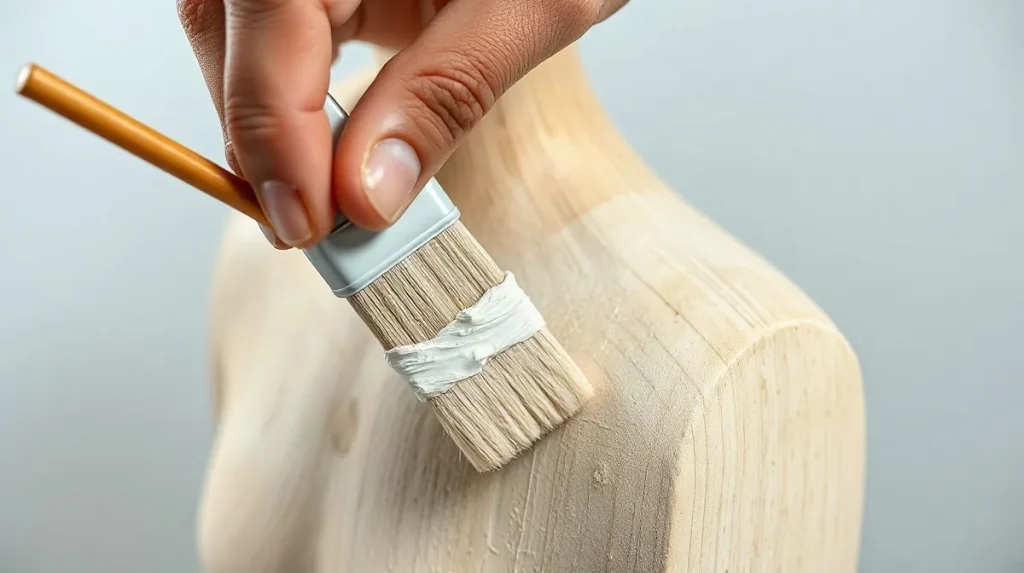
What is the primary function of gesso in sculpture preparation and preservation?
Gesso serves as a foundational coating that primes and protects sculptures by sealing porous surfaces, creating a uniform base for subsequent layers and preventing damage from environmental factors. This makes it indispensable in both preparing sculptures for finishing and preserving them over time, especially in mixed-media and three-dimensional artworks.
Unlike its traditional use in painting, gesso in sculpture must accommodate three-dimensional textures and materials, often applied in multiple layers to ensure durability. For example, a typical gesso application on a wooden sculpture involves three to five coats, each drying within 12 to 24 hours, ensuring a solid, sealed surface before painting or gilding.
How does gesso enhance the durability and longevity of sculptures?
Gesso acts as a barrier that protects sculptures from moisture, dust, and physical wear, thereby significantly extending their lifespan. By filling in microscopic pores and uneven surfaces, it reduces the risk of cracking and flaking when the sculpture undergoes environmental stress.
Protective qualities of gesso
- Moisture resistance: Gesso prevents water absorption, critical for wood and plaster sculptures vulnerable to humidity.
- Surface stabilization: It binds loose fibers and particles, particularly in mixed-media works that combine organic and inorganic materials.
- Enhanced adhesion: Provides an ideal surface for paints, varnishes, and gilding materials to adhere reliably.
For instance, a study by the Getty Conservation Institute (2024) demonstrated that sculptures treated with a high-quality acrylic gesso retained surface integrity for over 15 years under fluctuating indoor climate conditions, compared to untreated pieces which showed significant deterioration within 5 years.
What types and formulations of gesso are commonly used in sculpture?
Sculptors select from several types of gesso, each tailored to specific materials and finishing needs. The two primary categories are traditional rabbit-skin glue gesso and modern acrylic gesso, with the latter favored for its flexibility and durability.
Common gesso formulations
- Traditional gesso: Made from rabbit-skin glue, chalk, and white pigment; preferred for fine art sculptures requiring smooth, absorbent surfaces.
- Acrylic gesso: A synthetic, flexible mixture of acrylic polymer, calcium carbonate, and titanium dioxide; ideal for outdoor and mixed-media sculptures due to water resistance.
- Chalk gesso: Typically used on plaster sculptures for a matte finish and texture enhancement.
| Gesso Type | Drying Time | Flexibility | Price per liter (USD) | Best Use Case |
|---|---|---|---|---|
| Rabbit-skin glue gesso | 12-24 hours | Low | 20-30 | Indoor wooden sculptures |
| Acrylic gesso | 1-2 hours | High | 15-25 | Mixed-media and outdoor sculptures |
| Chalk gesso | 6-12 hours | Medium | 10-20 | Plaster and textured surfaces |
How is gesso applied to sculptures for optimal effect?
The application of gesso requires careful preparation and layering to maximize its protective and aesthetic qualities. The surface must be clean, dust-free, and sometimes lightly sanded before application to ensure adhesion.
Steps in gesso application
- Surface cleaning: Remove dust, dirt, and oils with a soft brush or cloth.
- Initial sealing: For porous materials like wood or plaster, a thin first coat seals the surface.
- Layering: Multiple thin coats (typically 3-5) are applied, each allowed to dry fully, with light sanding between coats for smoothness.
- Final finishing: After the last coat, sanding creates an even surface ready for paint or other finishes.
Professional sculptors often use brands such as Liquitex Professional Acrylic Gesso or Golden Artist Colors Gesso, priced between $18 and $22 per liter, which offer consistent texture and drying times suitable for detailed work.
Why is gesso especially important in mixed-media and contemporary sculpture?
Mixed-media sculptures combine diverse materials such as wood, metal, textiles, and plastics, each with different porosities and reactions to humidity and temperature changes. Gesso acts as a unifying primer, stabilizing these materials and creating a uniform surface for further treatment.
In contemporary sculpture, gesso also allows artists to experiment with surface textures and finishes, serving both functional and creative roles. For example, the Dia Art Foundation’s 2026 exhibition on mixed-media sculpture highlighted the use of acrylic gesso to integrate textile elements with wood bases, preventing delamination and color bleeding.
What are the environmental and conservation considerations when using gesso on sculptures?
Using gesso responsibly involves understanding its environmental impact and effects on long-term conservation. Traditional rabbit-skin glue gesso, being animal-derived, has sustainability and allergen considerations, while acrylic gesso’s synthetic polymers raise questions about microplastic release.
Conservation best practices
- Material compatibility: Match gesso type to sculpture material to avoid chemical reactions or physical stress.
- Reversibility: Use gesso formulations that allow future removal or restoration without damaging the artwork.
- Environmental impact: Choose low-VOC and non-toxic acrylic gesso options, such as those certified by the Art and Creative Materials Institute (ACMI).
Museums like the Metropolitan Museum of Art have adopted specific protocols since 2025 to ensure gesso treatments balance preservation efficacy with environmental responsibility.
- 3-5 coats typical number of gesso layers for sculptures
- 12-24 hours drying time for traditional gesso coats
- $15-$30 price range per liter for professional gesso products
- 15 years lifespan extension observed with acrylic gesso treatment in controlled conditions
Frequently asked questions
Can gesso be used on metal sculptures?
Is gesso suitable for outdoor sculptures?
How does gesso affect the texture of a sculpture?
Can gesso be removed from a sculpture?
What alternatives exist to gesso in sculpture preparation?
Key takeaways
- Gesso primes and protects sculptures by sealing porous surfaces and enhancing durability.
- Multiple gesso layers, properly applied, extend sculpture lifespan by preventing moisture and abrasion damage.
- Acrylic gesso is preferred for mixed-media and outdoor sculptures due to flexibility and water resistance.
- Application involves cleaning, sealing, layering, and sanding to achieve optimal finish and protection.
- Environmental and conservation considerations influence gesso choice and use in professional settings.
Conclusion
Gesso remains a vital material in the preparation and preservation of sculptures, bridging traditional craftsmanship and contemporary artistic innovation. Its ability to create a stable, protective surface is crucial for extending the life of three-dimensional artworks across materials and environments. Understanding the types, application methods, and conservation impacts of gesso empowers artists and conservators to maintain the integrity and aesthetic of sculptures well into the future.