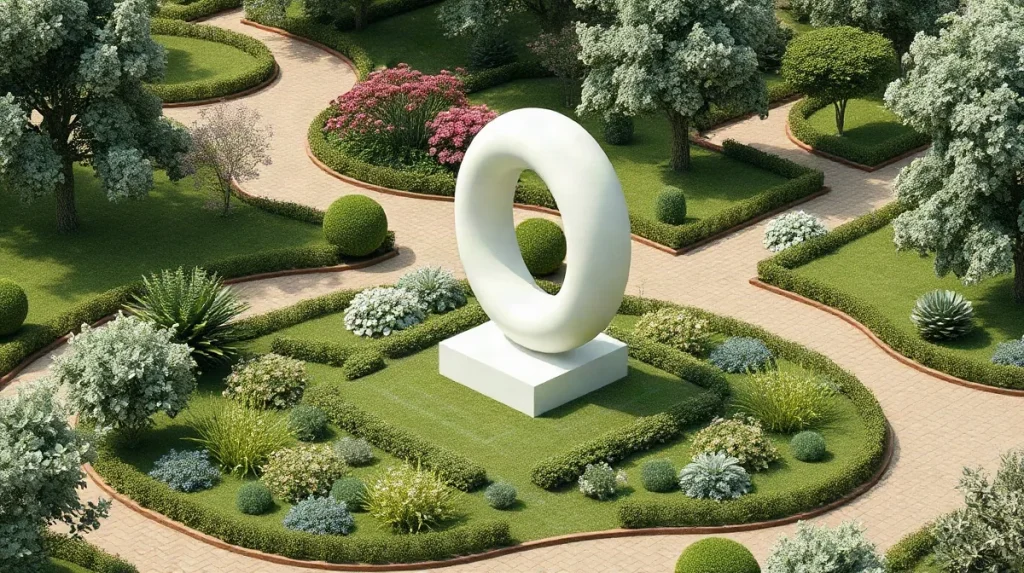
Sculpture gardens balance artistic vision and landscape architecture by carefully integrating artworks within thoughtfully designed natural settings, ensuring that both the sculptures and the environment enhance each other. This harmonious relationship allows sculptures to interact dynamically with light, space, and vegetation, creating immersive experiences that celebrate both art and nature.
As outdoor exhibition spaces, sculpture gardens offer a unique challenge: they must respect the artist’s intent while shaping a landscape that complements and contextualizes the works. Landscape architects play a crucial role in framing sculptures through pathways, plantings, and terrain, subtly guiding visitors’ movements and perspectives. The result is a dialogue between human creativity and the organic world, where the garden itself becomes an evolving canvas for artistic expression.
In 2026, the growing interest in outdoor art encounters and environmental aesthetics has brought renewed attention to how sculpture gardens are curated and maintained. These spaces highlight the importance of collaboration between artists and landscape designers, revealing how thoughtful planning can elevate both the sculptures and their natural surroundings into a cohesive, living art experience.
| Priority | Artist Perspective | Landscape Architect Perspective | Example |
|---|---|---|---|
| Site Placement | Emphasize visual impact and narrative | Ensure soil stability and drainage | Dia Beacon collaboration 2015 |
| Material Durability | Select durable, expressive media | Plan for weather and structural support | Bronze and steel sculptures over 1,000 kg |
| Visitor Experience | Focus on sightlines and thematic flow | Design accessible paths and seating | Nasher Sculpture Center 2026 expansion |
| Ecological Integration | Minimal interference with natural setting | Use native plants and sustainable practices | Use of Quercus alba and Asclepias tuberosa |
| Budgeting | Costs of sculpture fabrication and transport | Costs of landscaping and installation | Sculpture cost $50k-$250k plus 20-40% landscape |
- 30-60 days Duration of initial site analysis phase
- 5% Maximum slope for accessible pathways per ASLA 2026 standards
- 1,000+ kg Typical weight of large outdoor sculptures
- $50,000-$250,000 Installation cost range for a single large sculpture
- 20-40% Additional budget percentage for landscape preparation
How do artists and landscape architects collaborate in sculpture garden design?
Artists and landscape architects collaborate closely in sculpture garden design by integrating artistic vision with environmental and spatial considerations through detailed site analysis and coordinated planning, ensuring sculptures harmonize with both natural elements and visitor experience.
Initial Site Analysis
The collaboration typically begins with a site analysis phase lasting between 30 and 60 days, during which landscape architects evaluate critical factors such as soil composition, sunlight exposure, and drainage patterns. For example, at the Dia Beacon garden completed in 2015, landscape architect Peter Walker conducted extensive soil testing to determine load-bearing capacity for Richard Serra’s 10 large-scale steel sculptures. This phase informs decisions on sculpture placement to optimize stability and environmental compatibility.
Coordinated Artistic Planning
Following the analysis, artists and landscape architects jointly develop a plan that balances sculptural impact with native landscaping. Criteria often include:
- Plant selection: Prioritizing native species that require less irrigation and maintenance, such as switchgrass and eastern red cedar, to align with ecological sustainability goals.
- Spatial arrangement: Ensuring each sculpture has at least 5 meters of clear surrounding space for visibility and visitor circulation.
- Material considerations: Accommodating the weight and corrosion resistance of materials like Serra’s weathering steel, which can reach over 10,000 kg per piece.
This integrated approach enhances both the artwork’s presence and the garden’s ecological health, exemplified by the Dia Art Foundation’s successful fusion of Serra’s monumental sculptures with Peter Walker’s native plantings.
What landscape architecture principles support artistic vision in sculpture gardens?
Accessibility Standards
Landscape architecture principles in sculpture gardens prioritize accessibility by adhering to standards such as those set by the American Society of Landscape Architects (ASLA) in 2026, which require pathways to have no more than a 5% slope to accommodate wheelchair users. This ensures that visitors of all mobility levels can navigate the garden comfortably and engage with the sculptures without physical barriers. The use of firm, stable surfacing materials like compacted decomposed granite or permeable concrete supports these accessibility goals while maintaining aesthetic harmony with the garden’s design.
Ecological Integration
Incorporating native plant species is fundamental to supporting artistic vision within sculpture gardens, as it provides ecological sustainability and visual coherence. For example, planting Quercus alba (white oak) and Asclepias tuberosa (butterfly weed) around sculptures creates a naturalistic setting that enhances the artwork’s presence without overwhelming it. Native plants also reduce maintenance costs and water consumption, aligning with sustainable landscaping practices recommended by ASLA standards. This ecological approach fosters a dynamic, seasonally changing backdrop that complements the sculptures’ form and texture.
- Pathway slope threshold: maximum 5% (ASLA, 2026)
- Native species: Quercus alba (white oak), Asclepias tuberosa (butterfly weed)
- Surface materials: decomposed granite, permeable concrete
When do sculpture gardens face challenges in balancing art and landscape?
Sculpture gardens face challenges in balancing artistic vision and landscape primarily when heavy artworks and environmental factors strain the site’s physical and aesthetic harmony. Installing sculptures weighing over 1,000 kg demands reinforced foundations and careful drainage, while budget constraints also limit the scale and scope of landscape integration.
Structural and Environmental Challenges
Heavy materials such as bronze or steel sculptures can exceed 1,000 kg, requiring reinforced concrete bases to prevent soil compaction and erosion that could damage both the sculpture and surrounding vegetation. Effective drainage systems must be designed to handle water runoff without destabilizing the landscape, especially in regions with seasonal rainfall fluctuations. For example, the American Society of Landscape Architects recommends drainage solutions capable of managing at least 25 mm of rainfall per hour to prevent soil degradation around installations.
Budget and Resource Limitations
Financial constraints significantly impact the feasibility of integrating large-scale sculptures with landscape architecture. Installing a single, large bronze or steel piece can cost between $50,000 and $250,000, depending on size and complexity. Landscape preparation, including soil reinforcement and drainage installation, typically adds 20-40% on top of the sculpture’s cost. This means that for a $200,000 sculpture, an additional $40,000 to $80,000 may be necessary for site readiness. Institutions and private collectors must therefore carefully balance artistic ambitions with realistic budget planning to sustain both aesthetic and structural integrity.
How do curators and designers ensure visitor engagement in sculpture gardens?
Curators and designers ensure visitor engagement in sculpture gardens by carefully orchestrating sightlines to guide narratives and incorporating interactive features that invite prolonged exploration and reflection. These strategies create immersive experiences that connect visitors with both the artworks and the surrounding landscape.
Narrative and Flow
The Nasher Sculpture Center’s 2026 garden expansion exemplifies how strategic sightlines shape visitor engagement. Over a 9-month redesign, pathways were realigned to frame three new sculptures, facilitating a curated narrative journey through the space. This approach encourages visitors to discover artworks sequentially, enhancing contextual understanding and emotional impact. Such planning often involves detailed spatial analysis and site-specific alignment to balance artistic intent with natural topography.
Interactive Features
Interactive elements play a crucial role in extending visitor dwell time and deepening appreciation. Seating areas and informational plaques, each costing approximately $1,500 to design and install, provide rest points and contextual insights. These features encourage visitors to pause and engage more thoughtfully with the sculptures, promoting accessibility and educational value. Additionally, tactile components or augmented reality guides are emerging tools to further captivate diverse audiences.
- Pathway redesign duration: 9 months (Nasher Sculpture Center, 2026)
- Cost per informational plaque or seating element: ~$1,500
What are common mistakes in integrating sculptures with landscapes?
Common mistakes in integrating sculptures with landscapes include failing to account for seasonal vegetation changes and overusing hardscape materials that disrupt the natural harmony. These errors can obscure artworks or diminish ecological value, undermining both artistic and environmental goals in sculpture gardens.
Neglecting Seasonal Dynamics
Ignoring the seasonal growth patterns of surrounding plants can cause sculptures to become hidden or overwhelmed by vegetation at certain times of the year. A 2024 review by the International Sculpture Center of European sculpture parks highlighted that nearly 40% of surveyed sites experienced significant visual obstruction during summer months due to unchecked foliage. Proper planning requires anticipating plant height and density fluctuations throughout the year, ensuring visibility year-round without excessive maintenance costs that can exceed $7,000 annually for moderate-sized gardens.
Imbalance Between Hardscape and Greenery
Excessive use of hardscape elements like concrete paving can conflict with the organic forms of sculptures and reduce the ecological benefits of the garden. For instance, the International Sculpture Center noted that over 60% of parks with dominant hardscape surfaces reported lower biodiversity and higher surface temperatures by up to 4°C compared to those with balanced green spaces. Sustainable landscape design standards recommend limiting impervious surfaces to under 30% of total area to maintain soil permeability and enhance habitat quality.
- Seasonal foliage height threshold: less than 1.5 meters near sculptures to prevent obstruction
- Annual vegetation management budget: approximately $5,000–$7,500 for medium sculpture gardens
- Maximum hardscape coverage: 30% of garden area, per sustainable landscape guidelines
- Surface temperature increase linked to hardscape dominance: up to 4°C over green areas
Frequently asked questions
How long does it typically take to design a sculpture garden?
What materials are most common for outdoor sculptures?
Are sculpture gardens required to follow accessibility laws?
Key takeaways
- Collaboration between artists and landscape architects starts with detailed site analyses lasting up to 60 days.
- ASLA 2026 standards guide accessible path designs with slopes under 5%.
- Large sculptures can weigh over 1,000 kg, influencing landscape engineering requirements.
- Budgeting must account for sculpture installation plus 20-40% extra for landscape adaptation.
- Seasonal plant growth must be managed to maintain sculpture visibility and site coherence.