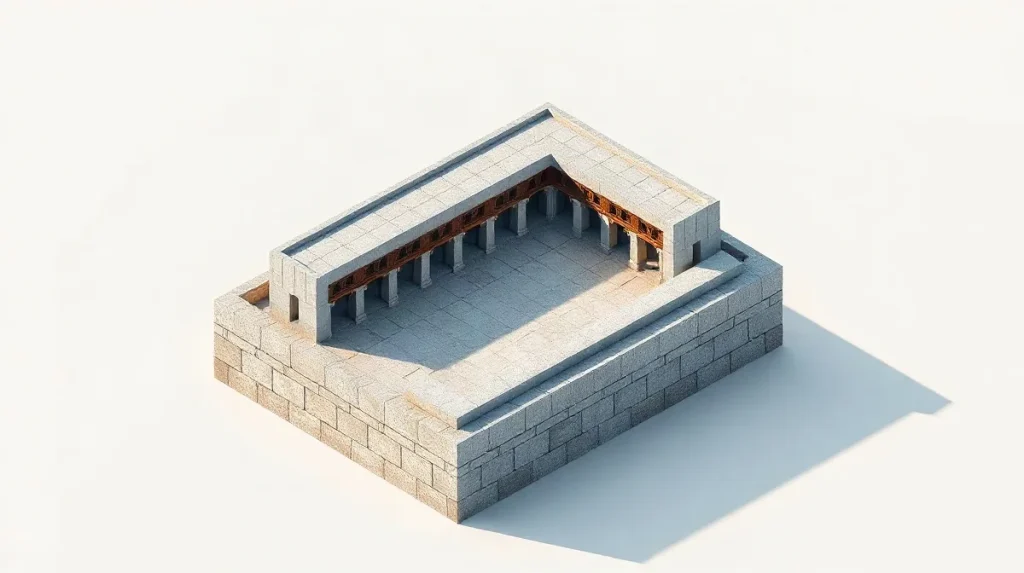
Metropolitan Museum Launches Tang Wing Construction
On September 15, 2026, the Metropolitan Museum of Art officially broke ground on the Tang Wing, a new 126,000-square-foot addition dedicated to modern and contemporary art. The project, designed by architect Frida Escobedo, marks a major expansion of The Met’s 20th- and 21st-century art galleries, increasing exhibition space by nearly 50% and aiming to enhance visitor experience and sustainability.
The groundbreaking ceremony took place at The Met’s European Sculpture Court and included Met Director Max Hollein and elected officials. The new wing, scheduled to open in 2030, will replace the existing Lila Acheson Wallace Wing at the museum’s southwest corner, signaling a significant development in The Met’s architectural and curatorial evolution.
Frida Escobedo’s Historic Architectural Role
Frida Escobedo, the Mexican architect behind the Tang Wing, is the first woman to design a wing at The Met. Earlier in 2026, she also participated in the museum’s inaugural public event conducted entirely in Spanish, highlighting her cultural significance to the institution. At the groundbreaking, Escobedo referenced the phrase “la primera piedra”—Spanish for “the first stone”—to symbolize both the literal and metaphorical foundation of the new wing.
Escobedo connected her design to The Met’s architectural history by noting the four uncarved stone blocks atop the Fifth Avenue facade’s columns, a remnant of Richard Morris Hunt’s 1894 expansion plan. These stones, originally intended to support statues that were never realized, inspired her concept of continuous transformation in architecture and institutions, emphasizing the dynamic nature of The Met itself.
Expansion Details and Sustainability Goals
The Tang Wing will add 69,500 square feet of new exhibition space, expanding The Met’s modern and contemporary art galleries by almost half. This increase addresses growing visitor demand and the museum’s desire to showcase a broader range of 20th- and 21st-century artworks. The project also aims to improve accessibility, making the museum more welcoming to diverse audiences.
Energy efficiency is a key component of the new wing’s design, reflecting The Met’s commitment to environmental responsibility. The construction will reduce energy consumption compared to the previous wing, aligning with current standards for sustainable museum architecture. Such upgrades are vital as cultural institutions strive to meet global climate goals while preserving invaluable art collections.
Institutional and Cultural Impact
The new wing represents a strategic investment by The Met to strengthen its position as a leading global institution for modern and contemporary art. By nearly doubling the exhibition space dedicated to this period, the museum can attract new audiences and host larger-scale exhibitions. This expansion also supports artists and curators working in contemporary fields, providing increased visibility within one of the world’s most prestigious venues.
The involvement of Escobedo, an internationally recognized architect, signals The Met’s embrace of diverse perspectives in both art and architecture. Her participation underscores the institution’s evolving identity and responsiveness to cultural shifts. The wing’s opening in 2030 will mark a milestone in The Met’s ongoing narrative of growth and innovation.
Future Outlook and Opening Timeline
The Tang Wing is slated for completion and public opening in 2030, giving The Met four years to realize this ambitious project. The timeline reflects the complexity of integrating cutting-edge architecture with museum-grade environmental controls, security, and visitor amenities. The museum anticipates that the expanded facilities will significantly enhance the visitor experience and support its educational mission.
As The Met moves forward with this expansion, it joins a global trend of major museums investing in modern and contemporary art infrastructure. The Tang Wing’s completion will position The Met alongside other leading institutions that prioritize these dynamic art periods, ensuring its relevance and leadership well into the future.
Takeaway: The Met’s Tang Wing will nearly double modern and contemporary exhibition space by 2030, reflecting a major institutional expansion led by architect Frida Escobedo.