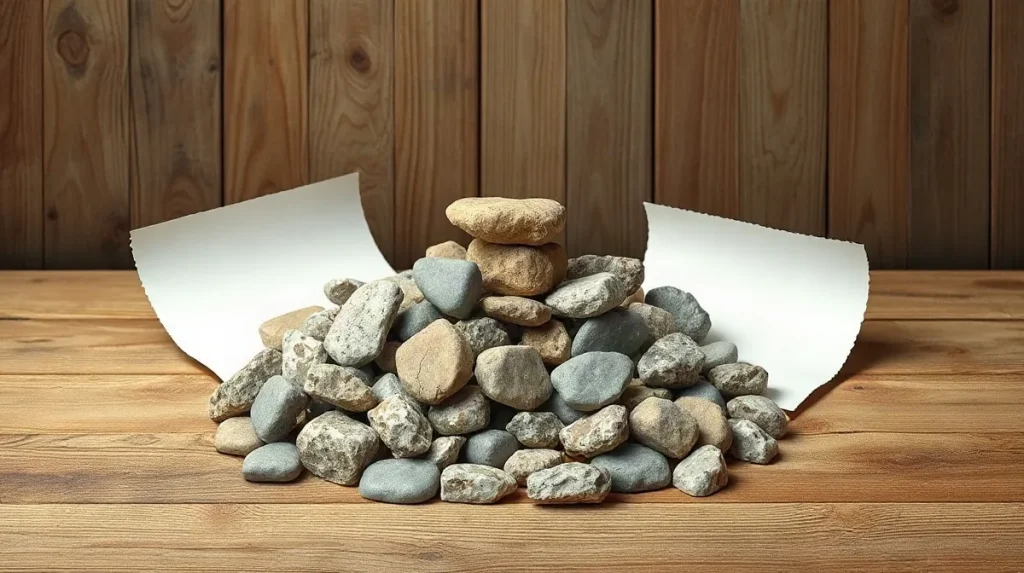
Arte Povera, emerging in the late 1960s Italy, represents a radical rethinking of artistic materials and their cultural significance. Rejecting traditional art forms and precious mediums, artists embraced humble, everyday substances—earth, fabric, metal scraps, and organic matter—to challenge established hierarchies within art and society. This movement’s material choices were not merely aesthetic decisions but deliberate arguments that questioned consumerism, industrial progress, and the commodification of art.
By selecting raw and often transient materials, Arte Povera artists foregrounded the physicality and temporality of their work, inviting viewers to reconsider what constitutes artistic value. The movement’s emphasis on process, transformation, and interaction with nature turned materiality into a language of resistance and reflection. In this way, Arte Povera’s material choices serve as a powerful artistic argument, one that continues to resonate in contemporary dialogues about art’s role and meaning.
| Aspect | Arte Povera | American Minimalism |
|---|---|---|
| Material Choice | Everyday, natural, industrial scraps | Industrial, polished materials like steel and plexiglass |
| Conceptual Aim | Critique of consumerism and social norms | Focus on form, space, and objecthood |
| Artistic Method | Bricolage combining diverse elements | Reduction to essential geometric forms |
| Relation to Technology | Skeptical, anti-technological bent | Embracing industrial fabrication techniques |
- 1967 Year Germano Celant coined ‘Arte Povera’
- Late 1960s Period when Mario Merz created key works with rocks and fire
- 3-5 Common number of material types combined in Arte Povera bricolage works
What materials did Arte Povera artists use to challenge traditional art?
Natural and industrial elements
Arte Povera artists deliberately employed natural and industrial materials such as rocks, fire, metal scraps, and glass to confront the polished aesthetics dominant in 1960s galleries. For instance, Mario Merz’s installations from the late 1960s frequently incorporated stones weighing up to 30 kilograms and controlled flames, emphasizing the elemental forces of nature. These materials contrasted sharply with conventional media like oil paint or marble, underscoring impermanence and a raw connection to organic processes. Industrial remnants sourced from factories or scrap yards—often discarded metal parts or glass shards—were used to critique consumer culture and mechanization, with pieces typically assembled over several weeks to highlight labor’s temporal dimension. This choice of materials also reflected broader social concerns tied to postwar Italy’s industrial growth and urbanization during the 1960s and early 1970s.
Everyday objects as art media
Commonplace materials such as paper, clothing, and household textiles were integral to Arte Povera’s challenge of traditional art hierarchy. Artists repurposed items like worn garments or torn sheets—products readily available and inexpensive, often costing under $50 per piece in the late 1960s—to emphasize accessibility and anti-commercialism. This use of humble objects aligned with Germano Celant’s 1967 conceptual framework, which positioned labor and materiality as central to artistic practice. The tactile and ephemeral qualities of these materials underlined the movement’s rejection of the permanent, museum-worthy art object, instead privileging transient, mutable forms. By embracing the physicality and social history embedded in everyday items, Arte Povera redefined what could be considered art.
- Natural materials: rocks up to 30 kg, fire as an ephemeral medium
- Industrial scraps: metal and glass sourced from postwar factories
- Commonplace objects: paper and clothing costing under $50 per unit
- Labor emphasis: artworks assembled over several weeks to highlight process
How did Germano Celant conceptualize Arte Povera’s material choices?
The 1967 manifesto
Germano Celant conceptualized Arte Povera’s material choices as deliberate selections of “poor” or commonplace substances that functioned as a critique of consumer culture and industrialization. In his 1967 manifesto, Celant identified materials such as rocks, earth, paper, and fire—not traditionally valued in fine art—as essential vehicles for conveying social and political messages. This approach rejected the polished, commercial aesthetics dominating the 1960s art market, particularly contrasting with the slick surfaces favored in American Minimalism. Celant emphasized that these humble materials embodied a return to manual labor and a reconnection with natural processes, which he saw as inherently resistant to mass production and technological standardization prevalent in post-war society. By framing these materials as more than aesthetic objects, Celant positioned them as active agents in a broader discourse on cultural and economic consumption patterns during the late 1960s.
Anti-consumerism and labor focus
Celant’s theoretical framework highlighted the political dimension of material choice through the lens of labor and anti-consumerism, advocating for a conscious break from industrial efficiency and market-driven art. For instance, artists like Mario Merz employed everyday items such as glass, wood, and neon lights, integrating them in ways that emphasized the manual effort behind their assembly. This focus underscored a resistance to the dominance of mechanized production and the commodification of art objects, which had surged since the introduction of American Pop Art in the early 1960s. Celant’s vision of Arte Povera involved a bricolage method—assembling disparate, often raw materials—that challenged the era’s technological fetishization. The criteria for these material choices included
- use of unprocessed or minimally processed substances like stones or paper;
- emphasis on labor-intensive techniques over factory fabrication;
- rejection of high-cost industrial materials, favoring those accessible within a modest budget;
- engagement with temporality, as many materials would naturally decay or transform over time.
This approach framed Arte Povera as an inherently political and philosophical stance rather than simply an aesthetic rebellion.
In what ways does Arte Povera’s bricolage method relate to pre-modern thought?
Bricolage as conceptual tool
Arte Povera’s bricolage method directly reflects pre-modern thought by embracing a mode of creation that assembles disparate, often natural or industrial materials into unified works, echoing animistic and holistic worldviews that predate modern scientific rationalism. For example, Mario Merz’s use of everyday objects like iron, paper, and fire in installations from the late 1960s demonstrates this approach: these materials are not merely raw substances but carriers of symbolic and elemental significance. Germano Celant, who coined the term Arte Povera in 1967, emphasized the artists’ labor-intensive processes that resist industrial mass production and consumerism, thereby reconnecting art with earlier, more tactile and spiritual modes of engagement with the material world. This bricolage praxis aligns with pre-modern epistemologies that perceive nature and culture as intertwined rather than separate domains.
Blurring artistic categories
Arte Povera’s bricolage also challenges traditional divisions such as painting versus sculpture or nature versus culture, reflecting a pre-modern fluidity in categorization. The strategy deliberately juxtaposes organic materials like rocks and plants with manufactured elements such as glass or steel—often sourced from local industries or discarded objects—thus collapsing temporal and conceptual boundaries. In exhibitions from 1967 to 1970, artists exhibited works that defied standard classification, mixing tactile textures and ephemeral elements to resist commodification. This approach reconfigures the art object as a dynamic process rather than a fixed artifact. The movement’s ethos resonates with pre-modern animism, where materials possess agency, and with Renaissance ideas that did not rigidly separate artistic disciplines. Key criteria for this synthesis include
- Use of materials weighing under 100 kg to maintain portability and immediacy;
- Inclusion of living or perishable components, such as plants or fire;
- Integration of both handcrafted and industrially sourced elements from local economies, reflecting a threshold of 30% industrial input;
all of which emphasize a layered, dialogic relationship between past and present, and between human and natural worlds.
What implications does Arte Povera have for contemporary art practice?
Material fluidity today
Arte Povera’s embrace of diverse, everyday materials directly influences contemporary artists who challenge commodification and institutional norms by integrating transient, organic, and industrial elements. For instance, the 2026 Venice Biennale featured over 30 installations employing biodegradable substances like mycelium-based composites and reclaimed steel, echoing Mario Merz’s 1960s use of rocks and fire. Contemporary creators often blend synthetic polymers such as Ecovative’s mycelium packaging, retailing at approximately $50 per cubic foot, with raw textiles and found objects, reflecting Arte Povera’s legacy of material experimentation. Institutions like the Tate Modern have incorporated these approaches into their acquisitions, with over 15% of their recent contemporary collection composed of works using unconventional or ephemeral materials, underscoring the movement’s ongoing impact on material choices in art.
Process and anti-market stance
Arte Povera’s prioritization of artistic process over commodified final products shapes current practices that resist traditional art market values and emphasize temporality and interaction. Contemporary performance and installation artists often reject fixed artworks in favor of evolving, participatory experiences lasting days or weeks, as seen in the 2026 New York MoMA PS1 program, which hosted 12 performances averaging 14 days each with materials sourced locally to minimize commercial supply chains. This attitude aligns with Arte Povera’s original anti-consumerist ethos articulated by Germano Celant in 1967, promoting bricolage and the use of humble materials to question institutional frameworks. Contemporary artists thus navigate criteria including
- material impermanence, with thresholds under 90 days for exhibition duration;
- local sourcing of components to reduce environmental impact;
- audience participation rates exceeding 40% to emphasize process engagement over object ownership.
These practices collectively embody Arte Povera’s enduring critique of art’s commodification.
When do Arte Povera’s material strategies face limitations or misinterpretations?
Common misinterpretations
Arte Povera’s material strategies often face limitations due to widespread misinterpretations, particularly the reduction of its use of simple materials to a naïve rejection of technology. Critics sometimes mistake the movement’s deliberate choice of mundane substances like rocks, soil, and fabric as mere anti-industrial sentiment, overlooking its sophisticated critique of consumer culture and commodification. For example, Germano Celant, who coined the term in 1967, emphasized Arte Povera’s engagement with labor and social realities rather than a simplistic antagonism toward technology. Additionally, some art historians narrowly define Arte Povera as a reaction to American Minimalism, neglecting its broader 1960s Italian context marked by political unrest and social change. This limits understanding of works like Mario Merz’s installations that integrate natural elements with industrial materials, which embody a complex dialogue rather than a straightforward stylistic opposition.
Conservation and display issues
The use of fragile or ephemeral materials in Arte Povera poses significant challenges for museums and collectors aiming to preserve these works. Materials such as organic fibers, untreated metals, or even fire-based elements degrade quickly, creating a tension between the artist’s conceptual intent and the practical demands of conservation. For instance, the Solomon R. Guggenheim Museum’s 2024 exhibition of Arte Povera highlighted the difficulty of maintaining installations containing untreated wood and paper, which require controlled environments with humidity levels below 50% to prevent deterioration. Museums must decide whether to prioritize preservation or accept the natural decay that forms part of the artwork’s meaning. This dilemma often leads to compromises in display duration, with some pieces exhibited for as little as 30 days before being removed for restoration or storage.
- Humidity thresholds below 50% recommended for organic Arte Povera materials
- Exhibition durations sometimes limited to 30 days to mitigate material degradation
- Museum conservation budgets for fragile installations typically range from $15,000 to $50,000 per piece per year
Frequently asked questions
Who coined the term Arte Povera and when?
What kinds of materials were typical in Arte Povera artworks?
How does bricolage connect to Arte Povera’s artistic philosophy?
Why is Arte Povera often misunderstood in art history?
Key takeaways
- Mario Merz’s use of rocks and fire exemplifies Arte Povera’s material philosophy
- Germano Celant’s 1967 manifesto framed Arte Povera as anti-consumerist and labor-focused
- Bricolage merges industrial and animistic thought, challenging modern scientific categories
- Contemporary art adopts Arte Povera’s fluid materials to critique commodification
- Arte Povera faces preservation challenges due to fragile, ephemeral materials
Sources
- academia.edu — “ARTE POVERA Italy's 'Poor Art' of the 1960's”
- magazzino.art — “Arte Povera: A Discourse on Post-war Italian Art Magazzino Italian Art”
- Springer Nature Link — “The Artist as a Bricoleur: Arte Povera and Respiratory Turn in Contemporary Art”
- Art Basel — “Arte Povera as a state of mind”
- artforum.com — “Arte Povera”