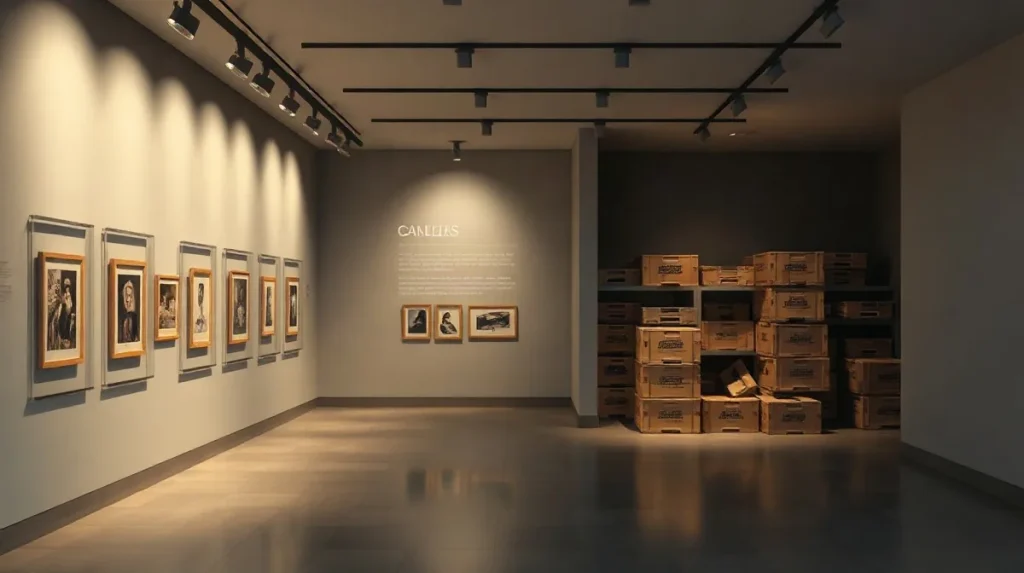
Museums decide what to display and what to store based on a combination of factors including the relevance and condition of objects, their significance to the museum’s mission, available exhibition space, and the potential to engage and educate the public. Curators weigh these criteria carefully to create meaningful, dynamic presentations while preserving collections for future study.
Behind every exhibition lies a complex process of selection and curation, where choices reflect not only the artworks or artifacts themselves but also broader institutional goals and audience interests. The challenge is balancing the desire to showcase diverse stories and objects with the practical limitations of space and conservation. Understanding how museums make these decisions reveals much about the evolving role of cultural institutions in society.
This article explores the key considerations and strategies museums use to determine what remains on view and what is kept in storage, highlighting the interplay between preservation, interpretation, and public engagement that shapes the visitor experience worldwide.
| Factor | Display Considerations | Storage Considerations | Example Metric |
|---|---|---|---|
| Space Availability | Limited gallery space; ~9% collection shown | Larger climate-controlled warehouses | Louvre: 380,000 items total, 35,000 displayed |
| Conservation | Strict light and humidity limits | Stable but less accessible environments | 50 lux max light for sensitive works |
| Cost | High prep and security expenses | Lower ongoing maintenance cost | $5,000 prep cost vs. cheaper storage |
| Visitor Engagement | Interactive and thematic exhibits prioritized | No direct public access | MoMA: 30% more visitor time with interactive art |
| Logistics | Frequent transport and handling needed | Minimal movement, compact shelving | $1,200 average transport cost per artwork |
- 9% Percentage of the Louvre’s collection displayed publicly
- 50 lux Maximum recommended light exposure for sensitive watercolors
- $5,000 Average conservation preparation cost per fragile artwork for display
- 30 days Maximum annual display duration for highly light-sensitive works
- $1,200 Average cost to transport an artwork within Europe
What curatorial criteria determine which artworks are displayed?
Theme and Significance
Museums select artworks primarily based on how well pieces align with the exhibition’s central theme and their cultural or historical significance. For instance, Tate Modern’s 2026 exhibition titled “Metamorphosis” prioritizes works that explore transformation in contemporary art. Curators also assess the rarity and provenance of artworks, often favoring pieces by artists whose representation in global collections is below 5%, ensuring diversity and fresh perspectives.
Visitor and Loan Considerations
Visitor engagement metrics heavily influence display decisions. The Museum of Modern Art (MoMA) has observed that interactive installations can increase visitor dwell time by approximately 30%, which guides their exhibition planning. Additionally, loan agreements impact availability; institutions typically borrow artworks for periods ranging from 90 to 180 days, following International Council of Museums (ICOM) guidelines, balancing exhibition needs with conservation and logistical constraints.
- Exhibition theme relevance, like Tate Modern’s focus on transformation in 2026
- Artist representation threshold under 5% in global collections
- Visitor engagement increase by 30% through interactive works (MoMA data)
- Loan periods averaging 90-180 days per ICOM standards
How do conservation requirements affect display versus storage decisions?
Light and Climate Controls
Conservation requirements heavily influence whether artworks are displayed or stored, primarily due to limits on light exposure and environmental conditions. For example, watercolors require exhibition at under 50 lux and for no more than 30 days annually, according to the Getty Conservation Institute, to prevent fading. Additionally, galleries typically maintain relative humidity at 50% ±5% and temperatures near 20°C, following ASHRAE standards, conditions not always feasible in storage areas.
Material Fragility and Cost
The delicate nature and weight of materials also dictate storage versus display decisions. Textiles weighing less than 2 kg are frequently kept in storage to minimize damage from vibrations and handling. Conservation preparation for display can be expensive, often exceeding $5,000 per artwork, which encourages institutions to limit the exhibition of fragile pieces. This financial consideration, alongside physical vulnerability, guides curators in balancing public access with preservation.
- Watercolor light exposure: under 50 lux, max 30 days/year (Getty Conservation Institute)
- Gallery climate: 50% ±5% relative humidity, ~20°C temperature (ASHRAE standards)
- Textile weight threshold for storage: less than 2 kg
- Conservation preparation cost: typically over $5,000 per artwork
What logistical constraints influence the balance between display and storage?
Space and Capacity Limits
Museums face significant constraints in balancing display and storage primarily due to limited physical space and the need for climate-controlled environments. The Louvre, for example, holds over 380,000 objects but exhibits only about 35,000, with the remainder housed in specialized warehouses designed to maintain optimal temperature and humidity. To maximize storage efficiency, institutions increasingly rely on compact mobile shelving systems, such as those produced by Spacesaver Corporation, which significantly reduce footprint while preserving accessibility. These high-density storage solutions enable museums to store a larger volume of works within a finite area, but space constraints inevitably restrict how many items can be displayed at once.
Transport and Security
Transporting artworks between storage and exhibition spaces also limits display frequency due to high costs and security requirements. Moving a single artwork within Europe can average $1,200 in expenses, which discourages frequent rotations. Additionally, security systems protecting valuable pieces can exceed $100,000 annually, imposing strict controls on the movement of high-value items. These expenses and precautions mean only a portion of collections are rotated regularly, with many works remaining in secure storage to minimize risk and cost.
- Exhibited objects at the Louvre: approximately 35,000 of 380,000 total
- Average transport cost per artwork within Europe: $1,200
- Annual security system costs for valuable items: over $100,000
- Compact mobile shelving supplier: Spacesaver Corporation
What trade-offs or limitations complicate the choice to display or store artworks?
Conservation vs. Access
Museums face a fundamental trade-off between preserving artworks and making them accessible to the public. Displaying fragile pieces such as 18th-century oil paintings or delicate textiles increases the risk of irreversible damage from light exposure and humidity fluctuations, which must be kept within strict limits—typically, illuminance below 50 lux for sensitive materials, as recommended by the Getty Conservation Institute. Conversely, storing these works in controlled environments—like the advanced climate-controlled vaults at the Tate Modern, which maintain stable 20°C temperature and 50% relative humidity—protects them but restricts public viewing and educational opportunities.
Financial and Operational Challenges
Budget constraints compel museums to prioritize high-profile exhibitions, often sidelining lesser-known but culturally significant pieces. For instance, staging a major exhibition at the Museum of Modern Art can cost upwards of $500,000, limiting funds available for rotating smaller displays. Moreover, frequent rotations improve visitor engagement but increase costs and logistical complexity, with each change potentially costing $10,000 to $30,000 in transportation and installation. Storage facilities also vary widely; some institutions lack advanced environmental controls, risking gradual degradation. According to industry standards, proper art storage requires continuous monitoring with data loggers and HVAC systems, which may be unaffordable for smaller museums.
- Illuminance threshold for fragile works: below 50 lux
- Climate control parameters recommended by Getty Conservation Institute: 20°C and 50% RH
- Cost range for major exhibitions at MoMA: $500,000+
- Typical rotation changeover costs: $10,000–$30,000
How do museums plan exhibition rotations and storage durations?
Exhibition Timing
Museums typically schedule exhibitions to last between three and six months, balancing public engagement with conservation needs. This timeframe allows sufficient visitor exposure while minimizing wear on sensitive works. For example, many institutions follow standards similar to those recommended by the American Alliance of Museums, which suggest exhibitions should not exceed six months for fragile objects. Additionally, loans and traveling exhibitions require advance planning of 12 to 18 months to accommodate logistics and conservation protocols, ensuring artworks remain stable throughout transit and display.
Inventory Management
Long-term storage durations often extend over decades, especially for pieces not aligned with current thematic programming. Museums rely on digital cataloging systems such as TMS Collections Management Software by Gallery Systems to monitor object locations, condition reports, and rotation schedules efficiently. These platforms help prioritize works for display or conservation based on criteria like condition thresholds and relevance to upcoming exhibitions. Key factors influencing rotation and storage decisions include:
- Condition updates recorded regularly, typically every 12 months, to assess display viability;
- Thematic relevance to planned exhibitions over a 3- to 5-year horizon;
- Conservation thresholds, such as light exposure limits defined by ISO standards, guiding maximum display duration.
This structured approach enables museums to optimize both public access and preservation of their collections.
Frequently asked questions
Why can’t all artworks be displayed at once?
How does light exposure affect displayed artworks?
What role does visitor engagement data play in exhibition decisions?
How are high-value artworks secured when displayed?
What technological systems assist museums in managing stored collections?
Key takeaways
- Curatorial themes and rarity guide which artworks are exhibited.
- Conservation standards limit display duration for fragile items.
- Storage space and transport costs restrict exhibition frequency.
- Trade-offs exist between public access and preservation needs.
- Digital management systems support rotation planning and storage.