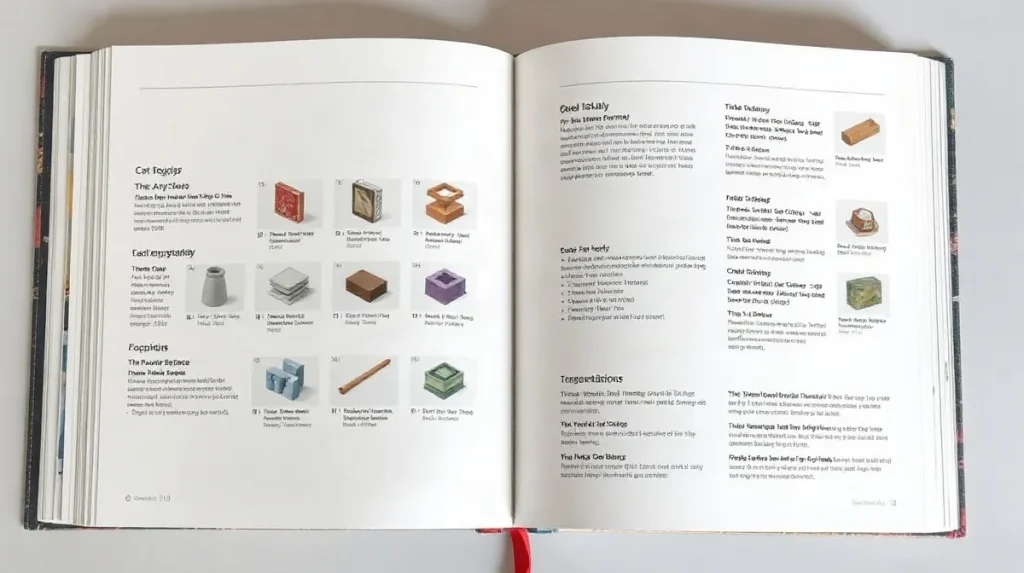
A catalogue raisonné reveals an artist’s oeuvre by providing a comprehensive, authoritative inventory of their works, detailing each piece’s provenance, authenticity, and historical context. It offers a structured overview that helps scholars, collectors, and enthusiasts understand the full scope and development of the artist’s creative output.
In the art world, a catalogue raisonné is much more than a list—it is a critical tool that brings clarity to an artist’s legacy. By systematically documenting every known work, including paintings, drawings, sculptures, or prints, it uncovers patterns, stylistic evolutions, and even previously unknown or misattributed pieces. This meticulous scholarship sheds light on the complexities of an artist’s career and influences how their work is valued and studied today.
Exploring what a catalogue raisonné reveals about an artist’s oeuvre invites us to appreciate the depth behind the surface of individual artworks. It situates each creation within a broader narrative, emphasizing the significance of historical research and expert verification in preserving cultural heritage. As such, it remains an indispensable resource for understanding the full artistic journey of some of the world’s most celebrated figures in art history.
| Format | Update Frequency | Cost Range | Accessibility |
|---|---|---|---|
| Printed Volume | Rare, every 5-10+ years | $500,000 to $1,000,000+ | Limited to libraries, collectors |
| Digital Database | Ongoing, real-time possible | $100,000 to $500,000+ | Widely accessible online |
| Hybrid (Print + Digital) | Periodic plus continuous updates | $750,000 to $1,200,000 | Print limited; digital more accessible |
- 16,000 works Total works documented in Pablo Picasso’s catalogue raisonné
- $1 million Approximate cost to produce a major catalogue raisonné
- 10 volumes Number of volumes in the Wildenstein Institute’s Monet catalogue raisonné
- 5 to 15 years Typical time span to complete a comprehensive catalogue raisonné
- 30-50% Typical auction price reduction for works not included in a catalogue raisonné
What exactly is a catalogue raisonné and how comprehensive is it?
Definition and scope
A catalogue raisonné is a comprehensive scholarly listing that aims to document every known work created by an artist, including paintings, drawings, prints, and sculptures. These catalogues often encompass thousands of pieces; for instance, Pablo Picasso’s catalogue raisonné includes over 16,000 works, demonstrating the extensive scope such publications can achieve.
Published either as printed volumes or digital databases, catalogues raisonnés provide a detailed academic record of an artist’s oeuvre. The Wildenstein Institute’s catalogue raisonné of Claude Monet, issued in both print and online formats, spans 10 volumes and catalogs more than 2,500 paintings, illustrating how these works can be both voluminous and meticulously organized.
- Picasso’s catalogue raisonné documents over 16,000 artworks across multiple mediums.
- Claude Monet’s catalogue raisonné by the Wildenstein Institute covers 10 volumes with over 2,500 paintings.
- Formats include printed books and online databases for accessibility and preservation.
- Each entry typically includes provenance, exhibition history, and literature references for thorough academic context.
Why are catalogue raisonnés essential tools for authentication?
Authentication
Catalogue raisonnés are essential for authentication because they verify a work’s provenance and stylistic consistency, thereby confirming its legitimacy and preventing forgery or misattribution. For instance, many Picasso paintings documented in authoritative catalogues have sold for over $100 million, underscoring how inclusion validates an artwork’s identity. Institutions such as the Art Loss Register and auction houses like Sotheby’s routinely consult these catalogues before approving sales, making them a crucial reference in the authentication process of 2026.
Market impact
In today’s high-value art market, the presence of a work in a catalogue raisonné significantly boosts buyer confidence and financial value. Artworks excluded from these catalogues often see auction prices drop by 30–50% due to increased uncertainty about authenticity. This price discrepancy highlights the catalogue raisonné’s role as a market standard, influencing both private collectors and public institutions when assessing an artwork’s worth.
- Price threshold: Picasso paintings have sold above $100 million when authenticated via catalogue raisonné inclusion.
- Price impact: Artworks without catalogue raisonné listing typically fetch 30–50% less at auction.
- Key institutions: Art Loss Register and Sotheby’s rely on catalogues raisonnés for authentication checks.
- Current standard: Authentication in 2026 almost always references catalogue raisonnés as a baseline criterion.
How do catalogue raisonnés support art historical research and scholarship?
Research value
Catalogue raisonnés support art historical research by providing a verified, comprehensive inventory of an artist’s work, enabling precise analysis of stylistic evolution and historical placement. For example, the Francis Bacon catalogue raisonné published by Dublin’s Hugh Lane Gallery documents over 300 paintings created between 1945 and 1992, guiding scholars through Bacon’s shifting themes and techniques across nearly five decades.
In addition to detailed listings, many catalogues include critical essays and archival materials that contextualize artworks within broader cultural and artistic movements. These resources are invaluable for curators and academics, allowing them to draw connections between an artist’s oeuvre and contemporaneous historical events or artistic trends. Institutions like the Getty Research Institute hold key catalogue raisonnés, offering global access to these foundational documents that support rigorous scholarship and exhibition planning.
Educational use
- Systematic documentation: Catalogues provide standardized references, often including high-resolution images and provenance data, essential for university art history courses and graduate research.
- Critical essays and archival inclusions: Many catalogues combine scholarly writing with primary sources, enriching case studies and seminar discussions.
- Access and preservation: Research libraries such as the Getty Research Institute maintain over 200 catalogue raisonnés, facilitating worldwide academic collaboration and preventing loss of knowledge.
When do catalogue raisonnés have limitations or fail to resolve disputes?
Limitations and controversies
Catalogues raisonnés often fail to settle disputes or remain authoritative because they can quickly become outdated as new artworks emerge or attributions evolve. For instance, despite the publication of Jean-Michel Basquiat’s catalogue raisonné in 2013, debates over the authenticity of additional works continue, illustrating the challenges in maintaining comprehensive and current records in a rapidly changing market.
Moreover, some catalogues raisonnés face criticism for bias or exclusion, which can undermine their credibility. The catalogue raisonné of Willem de Kooning, for example, sparked controversy due to the omission of several contested paintings, leading to prolonged expert debate. Authentication committees linked to these catalogues sometimes lack transparency, raising concerns about decision-making processes. Legal challenges have emerged over rejected attributions, showing the limits of catalogues as definitive tools in resolving disputes.
- Jean-Michel Basquiat’s 2013 catalogue raisonné—still contested over new work attributions
- Willem de Kooning’s catalogue raisonné—criticized for omissions affecting expert consensus
- Authentication committees—often criticized for opaque procedures
- Legal disputes—arising when artists’ estates or collectors contest rejected attributions
How much does producing a catalogue raisonné cost and who funds it?
Costs and funding sources
Producing a catalogue raisonné can cost from several hundred thousand to over one million dollars and often takes between five and fifteen years to complete. For instance, the Wildenstein Institute’s project on Monet’s works spanned a decade and exceeded $1 million in expenses, reflecting the extensive research and verification involved.
Funding for these projects typically comes from a mix of institutional and private sources. Common contributors include artist estates, foundations, museums, and academic institutions. The Andy Warhol Foundation, for example, partially funded the Warhol catalogue raisonné, supporting scholarship and authentication efforts over many years.
- Wildenstein Institute’s Monet project: $1 million+ and 10 years
- Andy Warhol Foundation’s partial funding of Warhol catalogue raisonné
- Typical timeframe: 5 to 15 years for comprehensive publications
With the rise of digital catalogues, costs can be reduced and updates made more efficiently, but these require ongoing investment in technology platforms to maintain accessibility and accuracy over time.
Frequently asked questions
What distinguishes a catalogue raisonné from a simple catalogue or inventory?
Can a work be added to a catalogue raisonné after publication?
Do all artists have a catalogue raisonné?
How do catalogue raisonnés affect art prices?
Key takeaways
- Catalogue raisonnés document every known authentic work by an artist with detailed provenance.
- They are vital tools for authenticating artworks, impacting market value and trust.
- Scholars rely on them for comprehensive research and historical analysis.
- Limitations include potential omissions, controversies, and costly production.
- Digital catalogues improve update speed but require ongoing funding.