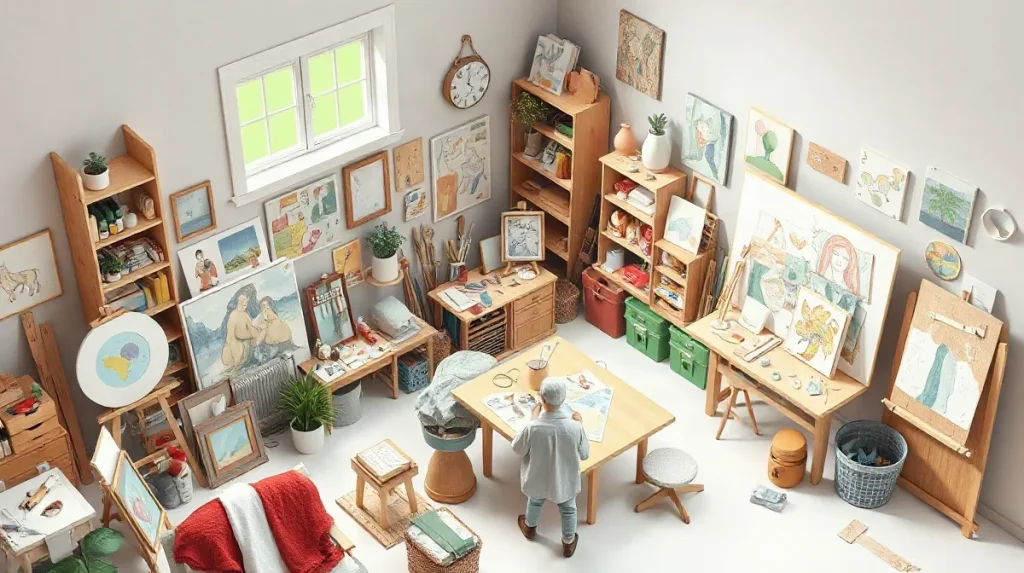
Artist-in-residence programs have become pivotal in shaping the landscape of modern art in 2026, offering creators immersive environments where innovation thrives. These programs provide artists with time, space, and resources away from their usual settings, enabling them to experiment, collaborate, and push creative boundaries. As a result, they play a crucial role in nurturing fresh perspectives and groundbreaking works that define contemporary artistic expression.
In 2026, the influence of artist-in-residence initiatives extends beyond individual creativity; they foster cross-cultural dialogue and connect artists with diverse communities and institutions worldwide. This dynamic exchange not only enriches the artists’ practice but also fuels new trends and movements within modern art. Understanding how these residencies operate today reveals their significant impact on the evolution of art and the global creative ecosystem.
| Type | Typical Institution | Residency Length | Primary Focus |
|---|---|---|---|
| Museum Residencies | Irish Museum of Modern Art | 3-6 months | Integration with collections and public education |
| Science Residencies | Exploratorium | 3-6 months | Art-science interdisciplinary collaboration |
| Independent Centers | The Momentary | 3-6 months | Multi-disciplinary innovation and community engagement |
| Corporate/Private | Various | 1-3 months | Brand influence and societal impact |
- 1,200+ Artist-in-residence programs worldwide listed on TransArtists
- 3-6 months Typical residency duration for effective project development
- $5,000–$30,000 Range of stipends or production budgets offered by residencies
- 70+ Countries hosting artist-in-residence programs globally
What are the core features of contemporary artist-in-residence programs?
Program Structure
Contemporary artist-in-residence programs typically span between three and six months, providing artists with sufficient time to immerse themselves in creative exploration and develop new bodies of work. The Irish Museum of Modern Art, for example, offers onsite studio space combined with access to its extensive collection and community programs, allowing residents to integrate their practice with institutional resources. Since the 1960s, such residencies have expanded internationally, with networks like TransArtists facilitating global connections among programs. These structures often include clear timelines and expectations, enabling artists to plan for focused periods of research and production.
Support and Access
The availability of professional support and institutional access is a defining feature of many residencies today. The Momentary in Bentonville, Arkansas, provides resident artists with a dedicated team of up to 20 personnel, including producers and preparators, to assist in realizing ambitious projects. This level of support often includes technical assistance, curatorial guidance, and logistical aid, which can significantly enhance an artist’s capacity to experiment and innovate. Furthermore, programs frequently grant access to facilities such as specialized studios, archival collections, or public engagement platforms, fostering a productive environment for cross-disciplinary collaboration.
- Residency duration: typically 90 to 180 days
- Support teams: up to 20 professionals (e.g., producers, preparators)
- Onsite resources: studio space, museum collections, education programs
- Global connectivity: networks such as TransArtists established since the 1960s
How do residencies support artists’ creative development and career growth?
Creative Resources
Artist residencies support creative development by providing uninterrupted studio time valued between $15,000 and $30,000 in production support per stay, enabling artists to focus exclusively on their work without financial distraction. Institutions like the Irish Museum of Modern Art offer access to extensive collections and expert curatorial staff, facilitating research-based projects that deepen artistic inquiry. Additionally, embedding artists within specialized environments such as the Exploratorium allows collaboration with scientists and educators, fostering interdisciplinary innovation and expanding the conceptual framework of an artist’s practice. These tangible resources and unique environments collectively enhance the artist’s ability to experiment, refine techniques, and develop groundbreaking work.
Professional Opportunities
Residencies also catalyze career growth by culminating in public exhibitions or programs, significantly increasing artists’ visibility and market presence. For example, The Momentary’s residency program in Bentonville, Arkansas, offers artists exposure through curated shows supported by a professional team of producers and preparators. Furthermore, residencies often provide access to networks of collectors, galleries, and critics, which can lead to sales, commissions, and invitations to future exhibitions. Key criteria for selecting residencies that best support career advancement include:
- Duration of residency, typically ranging from 30 to 90 days, allowing sufficient time for project completion;
- Institutional prestige, as seen with programs at established museums like the Irish Museum of Modern Art;
- Opportunities for public engagement through exhibitions or educational events, which directly enhance audience reach and professional credibility.
What types of institutions offer artist-in-residence programs and how do their missions differ?
Museum Residencies
Contemporary art museums such as the Irish Museum of Modern Art (IMMA) offer artist-in-residence programs that emphasize integration with their permanent collections and public educational outreach. At IMMA, artists typically engage onsite for periods ranging from three to six months, working in studio spaces valued at over €15,000 annually in maintenance and support costs. These residencies provide access to the museum’s extensive archives and exhibitions, encouraging artists to create works that dialogue directly with the institution’s modern and contemporary holdings. The mission centers on fostering artistic development while enhancing visitor engagement through workshops, talks, and collaborative projects that connect art with broader audiences.
Science and Hybrid Residencies
Science museums and independent art centers offer residencies that prioritize interdisciplinary innovation and community interaction. The Exploratorium in San Francisco, for example, hosts artists for residencies of three to twelve months, focusing on cross-pollination between art and scientific inquiry. These programs provide artists with access to laboratory resources and staff expertise, promoting experimental projects that bridge visual art and scientific concepts. Similarly, The Momentary in Bentonville, Arkansas, supports multi-disciplinary artists by offering residencies of up to six months with budgets up to $25,000, encouraging engagement with local communities and collaborative innovation across media. Private and corporate residencies also exist, often aiming to influence societal discourse or brand identity through commissioned works, setting funding thresholds that can exceed $50,000 depending on project scale and duration.
- Irish Museum of Modern Art: 3-6 month residencies, €15,000+ annual studio support
- Exploratorium: 3-12 month residencies, focus on art-science collaboration
- The Momentary: up to 6 months, $25,000 budgets for multidisciplinary projects
- Private/corporate residencies: funding often >$50,000, targeting societal or brand impact
When do artist-in-residence programs face limitations or fail to meet artists’ needs?
Duration and Funding
Artist-in-residence programs often fail to meet artists’ needs when their durations are too short or funding is insufficient. Residencies lasting less than 30 days frequently constrain artists’ capacity to fully develop complex, large-scale projects. For example, a 21-day residency at a regional art center may allow only preliminary experimentation rather than completed works. Moreover, programs with limited budgets—often under $5,000 USD for production expenses—restrict artists’ choices of materials and scale, forcing compromises that can undermine their vision. Such financial constraints are common in residencies without institutional backing or corporate sponsorship, where funds for supplies, fabrication, or specialized equipment are minimal or absent.
Location and Autonomy
The geographical isolation of some residencies can isolate artists from vital art networks and diminish the career impact of the residency. Programs located in remote areas, such as isolated rural retreats or distant islands, may limit opportunities for exhibition, collaboration, and professional networking essential for artistic growth. Additionally, residencies that prioritize institutional agendas over artist autonomy can stifle creative freedom. For example, residencies affiliated with museums or corporations that require artists to align their work with specific themes or marketing goals—sometimes reflected in binding contracts—may restrict experimentation and personal expression.
- Residency duration threshold: fewer than 30 days often insufficient for complex project completion
- Production budgets below $5,000 USD limit material and scale options
- Remote locations reduce access to urban art markets and networks
- Institutional mandates may impose thematic constraints, affecting artistic autonomy
How have artist-in-residence programs evolved globally since their inception in the 1960s?
Historical Growth
Artist-in-residence programs have evolved from experimental initiatives in the 1960s into established, career-defining opportunities by the early 2000s. Initially conceived as short-term cultural exchanges or factory visits, these residencies expanded rapidly in scope and scale. By 2005, many national arts councils and museums formalized residency offerings, with institutions like Ireland’s Museum of Modern Art providing dedicated studio spaces and access to collections. The global increase has been remarkable: as of 2026, more than 1,200 programs are cataloged on platforms such as TransArtists, spanning over 70 countries. This growth reflects the recognition of residencies as vital for artistic innovation and professional development.
Contemporary Trends
Since 2020, digital residencies have emerged, leveraging virtual collaboration tools to transcend geographic barriers and support artists remotely, often at participation fees ranging from $100 to $500 depending on program scale. Modern residencies also emphasize social engagement and interdisciplinary research to address pressing societal issues such as climate change, identity, and technology ethics. For example, The Momentary in Bentonville, Arkansas, offers residencies where artists collaborate with producers and educators over periods typically lasting 3 to 6 months. Key criteria shaping residencies today include:
- Duration thresholds of 30 to 180 days to balance immersion and productivity
- Access to interdisciplinary resources combining art, science, and community programs
- Inclusion of digital platforms enabling global artist networks
- Focus on socially driven themes responding to contemporary challenges
Frequently asked questions
How long do typical artist-in-residence programs last?
What kind of financial support do residencies usually offer?
Can artist residencies improve an artist’s career prospects?
Are there residencies that combine art with scientific research?
Key takeaways
- Artist residencies provide crucial production resources valued up to $30,000 per stay.
- Programs span diverse institutions from museums to science centers to independent art hubs.
- Residency durations of at least three months yield the best outcomes for complex work.
- Global growth since the 1960s now includes over 1,200 programs across 70+ countries.
- Limitations include funding constraints, short durations, and potential loss of creative autonomy.
Sources
- transartists.org — “Artist-in-Residence History”
- The Momentary — “Artist-In-Residence Program”
- Julie Upmeyer — “Artist Residencies, A Guide to Established Archetypes & New Paradigms”
- Exploratorium — “Artist-in-Residence Program”
Topic guide: Artists: The Complete Guide