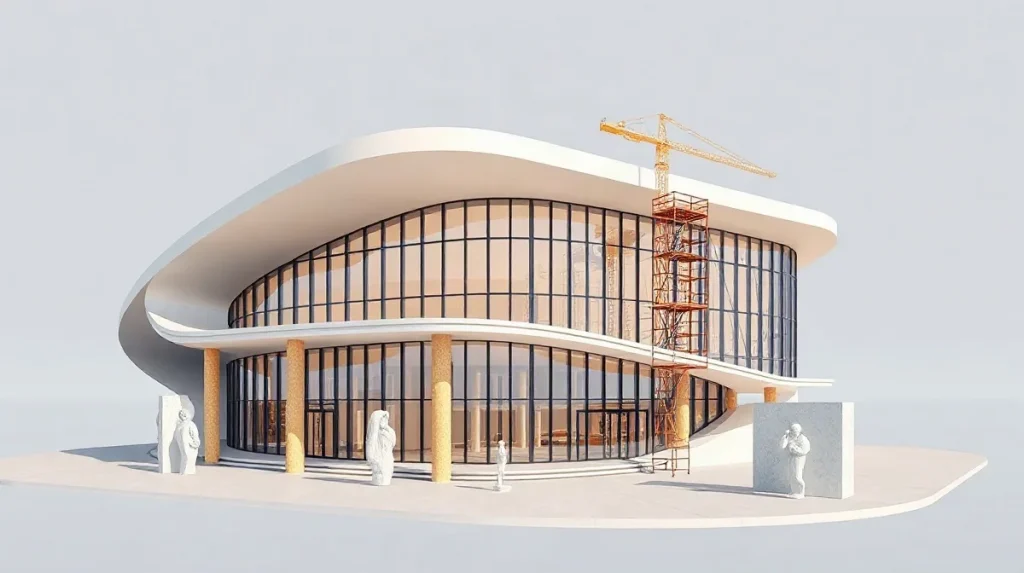
Metropolitan Museum Launches Modern Art Wing Construction
The Metropolitan Museum of Art in New York City has commenced construction on a new wing devoted exclusively to modern art. The $450 million project broke ground in September 2026 and is scheduled for completion by late 2029. This expansion aims to significantly increase the museum’s exhibition space for 20th- and 21st-century artworks, addressing growing visitor demand and collection size.
The new wing will add approximately 75,000 square feet to the museum’s existing footprint, making it one of the largest expansions in the Met’s history. The initiative is part of a broader strategy to enhance the museum’s role as a leading institution for contemporary art amid intensifying competition from other New York City cultural venues.
Context of Contemporary Art Growth in New York City
New York City has seen a notable surge in modern and contemporary art spaces, with the city ranking among the top global hubs for contemporary art exhibitions. The city hosts over 20 major museums and galleries specializing in postwar and contemporary art, including the Museum of Modern Art and the Whitney Museum. This growth reflects a broader trend of increased public and private investment in the arts sector.
In 2025, cultural funding in New York City increased by 12%, supporting expansions and new development projects across institutions. The Metropolitan Museum’s new wing aligns with this trend, aiming to capture a larger share of the estimated 8 million annual visitors engaged with modern and contemporary art citywide. Its location on Fifth Avenue also strengthens the museum’s visibility in a fiercely competitive cultural landscape.
Project Details and Architectural Vision
The new wing’s design is led by the renowned architectural firm Herzog & de Meuron, known for their work on the Tate Modern in London. Their plan focuses on flexible gallery spaces with state-of-the-art climate control systems to accommodate diverse media including digital and installation art. The wing will also incorporate a dedicated education center and a 350-seat auditorium for lectures and performances.
The construction budget of $450 million is funded through a combination of private donations, including a $150 million gift from the Metropolitan Museum’s Modern Art Endowment, and municipal cultural grants. The museum expects the expanded facilities to increase annual attendance by 15% post-opening, contributing to New York’s economy through tourism and related sectors.
Stakeholders and Community Impact
The Metropolitan Museum’s leadership emphasizes the new wing’s role in community engagement and education. The director stated the project will enhance access to modern art for diverse audiences, including partnerships with local schools and artist residencies. This approach reflects a growing institutional focus on inclusivity and contemporary relevance.
Local art communities and New York City officials have welcomed the expansion, seeing it as a boost for the city’s cultural infrastructure. The project is expected to create approximately 1,200 construction jobs over three years and add 200 permanent positions for curators, educators, and support staff. These economic benefits underscore the museum’s significance beyond art presentation alone.
Implications for New York’s Museum Landscape
The Metropolitan Museum’s modern art wing positions it to compete more directly with specialized contemporary art institutions like the Guggenheim and the Whitney. By expanding its contemporary holdings and exhibition capacity, the Met aims to attract a younger demographic and new international visitors specifically interested in postwar and current art movements.
This development also signals a shift in museum strategy citywide, as institutions invest heavily in physical expansions to accommodate digital art and large-scale installations. The trend is part of a global movement among top museums to modernize infrastructure and programming to meet evolving audience expectations and technological advancements.
Takeaway: The Metropolitan Museum’s new modern art wing marks a major investment in New York City’s expanding contemporary art ecosystem, promising increased access, economic impact, and cultural leadership.