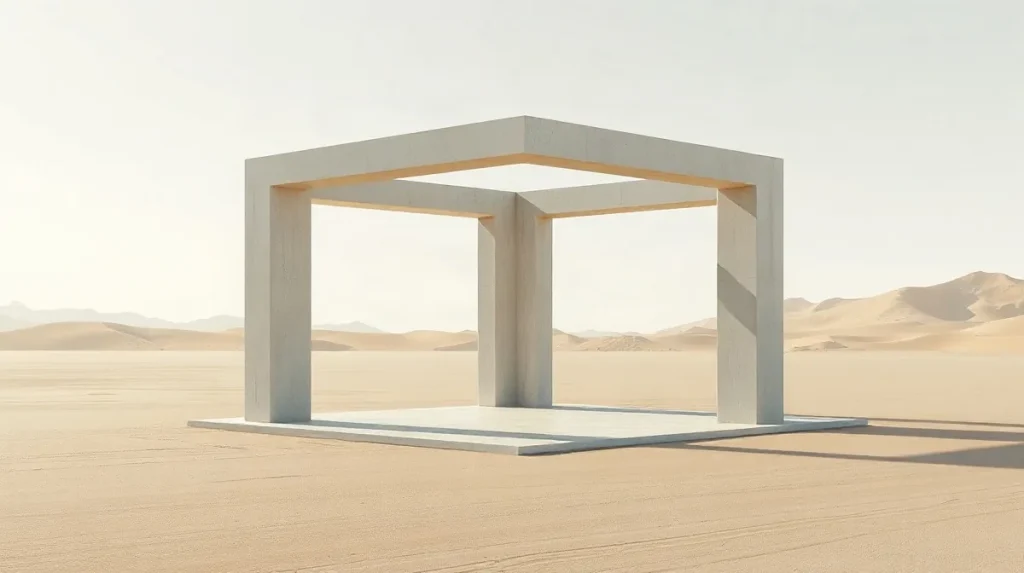
Installation sculpture is characterized by its immersive, site-specific nature that transforms space and engages viewers physically and conceptually. Unlike traditional sculpture, it often combines multiple media and invites interaction, creating a dialogue between artwork, environment, and audience that challenges conventional boundaries of art.
This form of art redefines how we experience sculpture by prioritizing spatial relationships and sensory involvement over static display. Installation sculpture can incorporate elements such as light, sound, and found objects to construct environments that provoke reflection or evoke emotional responses. Its cultural impact lies in its ability to alter perceptions of space and community, making it a powerful tool for social commentary and experiential storytelling.
For those interested in how installation sculpture fits into a broader artistic context, further reading is available in our detailed exploration titled «Prada Marfa Sculpture: A Comprehensive Exploration of Its Artistry, Context, and Legacy», which examines a landmark example of site-specific work and its enduring influence on contemporary art discourse.
| Aspect | Temporary Installations | Permanent Installations | Example |
|---|---|---|---|
| Duration | Days to months | Years to decades | Prada Marfa (permanent since 2005) |
| Location | Gallery or event spaces | Site-specific outdoor locations | Christo’s Wrapped Coast (Australia) |
| Materials | Ephemeral, mixed media | Durable materials like steel and plaster | Prada Marfa uses steel and plaster |
| Audience Interaction | Often interactive or participatory | Often contemplative or contextual | Yayoi Kusama’s Infinity Rooms (interactive) |
- 100,000 $ Initial cost of Prada Marfa installation
- 2.4 km Length of Christo’s Wrapped Coast installation
- Several weeks Installation time for Olafur Eliasson’s The Weather Project
- Tens of thousands $ Estimated restoration costs for Prada Marfa vandalism repairs
What defines installation sculpture as a unique art form?
Installation sculpture is defined by its integration with a specific location and its immersive engagement of space and the senses, distinguishing it from traditional sculpture through site-specificity, scale, and material diversity. This art form often transforms the viewer’s spatial awareness by occupying and altering environments that range from intimate interiors to vast outdoors.
Site-specificity and scale
Installation sculptures are frequently created for unique sites, ensuring the work cannot be separated from its physical or cultural context. For example, Prada Marfa, installed permanently in Marfa, Texas since 2005, functions as a retail façade sculpture with a $100,000 installation cost, anchoring its identity to that remote location. Meanwhile, large-scale projects like Christo’s Wrapped Coast (1970s) enveloped 2.4 kilometers of Australian coastline, using immense scale to redefine the landscape itself.
Material and sensory engagement
- Materials range widely, from industrial steel and glass to fabric, combining natural and synthetic elements to challenge sculpture conventions.
- Typical installations engage multiple senses—visual, tactile, and spatial—inviting viewers to move through and experience the work bodily rather than passively viewing it.
- The temporal dimension varies greatly, from temporary exhibitions lasting days or months to permanent works valued in the hundreds of thousands of dollars, emphasizing the evolving relationship between artwork, site, and audience.
How do installation sculptures create immersive experiences?
Sensory involvement
Installation sculptures create immersive experiences by engaging viewers through multiple sensory channels, often combining visual, auditory, and tactile stimuli to envelop the audience physically and psychologically. Yayoi Kusama’s Infinity Mirror Rooms, for instance, use repeating LED light patterns that surround visitors, producing a sense of infinite space within a compact environment. Similarly, James Turrell’s installations manipulate natural and artificial light over durations of several hours, altering visitors’ perception of color and depth. The duration of engagement in such works can range from brief encounters of about 5 minutes to extended visits exceeding an hour, which strongly influences the emotional and cognitive impact on the viewer.
Environmental context
The use of scale and environment plays a crucial role in immersive installation sculpture, often creating striking juxtapositions that challenge perception. The Prada Marfa installation, established in 2005, replicates a boutique storefront yet is situated in the isolated Texas desert, blending commercial imagery with barren natural surroundings to evoke surreal reflections on consumer culture. Lighting and sound elements are also integral; for example, Turrell’s works often rely on controlled light intensity measured in lux to guide the viewer’s experience. These contextual factors combine to transform ordinary spaces into immersive environments that invite interaction or contemplation.
In what ways does Prada Marfa exemplify installation sculpture’s relationship to cultural landscape?
Cultural critique
Prada Marfa exemplifies installation sculpture’s relationship to cultural landscape by juxtaposing luxury consumerism with an isolated rural setting, provoking critical reflection on commerce and place identity. Installed in 2005 by Elmgreen & Dragset, the work replicates a Prada storefront valued initially at around $100,000, yet it is permanently fixed in remote West Texas rather than a commercial district. This displacement challenges the conventional context of brand consumption and highlights consumer culture’s reach beyond urban centers.
Site and community interaction
The installation’s location along U.S. Highway 90, far from major cities, transforms it into an unexpected cultural landmark attracting thousands of visitors annually. Its preservation depends on active local cooperation, including efforts to repair vandalism and maintain the structure, illustrating the dynamic relationship between public art and the surrounding community. This engagement underscores how installation sculpture interacts with, and is shaped by, the cultural environment in which it resides.
What limitations and challenges affect installation sculptures like Prada Marfa?
Conservation and maintenance
Installation sculptures like Prada Marfa face significant challenges from environmental exposure, necessitating ongoing conservation efforts. Prada Marfa, exposed to harsh weather and vandalism, requires periodic restoration with repair costs estimated in the tens of thousands of dollars. For example, maintenance in 2022 involved replacing damaged signage and repainting, with expenses surpassing $30,000. The need for durable materials such as weather-resistant paints and stainless steel elements is critical to prolong the artwork’s physical integrity in open-air conditions.
Audience and regulatory constraints
Site-specific installations like Prada Marfa often struggle with limited accessibility and complex regulatory frameworks. Located in a remote area of Texas, Prada Marfa’s unconventional placement reduces casual visitor traffic compared to traditional gallery settings. Additionally, the artwork must comply with local zoning laws that mandate a non-commercial status, preventing any retail activity on site. These legal requirements constrain curatorial decisions and complicate event programming. Furthermore, increased tourism and social media attention risk diluting the artwork’s critical message, as commodification can shift public perception from artistic critique to commercial spectacle.
How do installation sculptures impact museum and gallery practices?
Exhibition logistics
Installation sculptures compel museums and galleries to rethink spatial design and timeline management, often requiring expanded or reconfigured exhibition areas. For instance, the Guggenheim Museum’s 2019 showcase of Olafur Eliasson’s immersive works necessitated adapting its galleries to accommodate large-scale, non-traditional formats. Additionally, the installation process can be time-intensive; Eliasson’s 2003 “The Weather Project” at Tate Modern’s Turbine Hall took several weeks to complete, underscoring the need for prolonged setup periods and coordination with technical teams.
Budget and conservation
The financial demands of installation sculptures vary widely but typically range from $50,000 to over $1 million depending on scale, materials, and technology involved. Such significant investment influences museum budgeting and fundraising priorities. Museums also face unique conservation challenges with ephemeral materials and complex technologies used in installations, leading to increased collaboration with artists in developing tailored preservation strategies that address these fragile elements over time.
What common misconceptions hinder understanding of installation sculpture?
Size vs. experience
A common misconception is equating installation sculpture merely with large-scale sculpture, overlooking its defining characteristic of immersive spatial engagement. Unlike monumental statues such as the 37-meter Statue of Unity in India, installation sculpture prioritizes the viewer’s sensory interaction within an environment. For instance, Yayoi Kusama’s Infinity Rooms use mirrored surfaces and LED lights to create boundless spatial perception without requiring massive physical dimensions.
Permanence and materiality
Many assume installation art is inherently temporary, ignoring permanent examples like Prada Marfa (2005), a fixed, site-specific work blending sculpture with commercial architecture in the Texas desert. Additionally, the belief that installations need costly, high-tech components neglects minimalist or found-material approaches. For example, Eva Hesse’s 1966 fiberglass and latex pieces demonstrate impactful installations created on modest budgets without digital technology.
- Installation sculpture focuses on environment and objects, contrasting with performance art’s emphasis on live action and duration.
- Prada Marfa challenges temporality by existing continuously since 2005 in an outdoor setting.
- Minimalist materials like latex and fiberglass have enabled notable installations without advanced technology.
Frequently asked questions
What materials are commonly used in installation sculpture?
How long do installation sculptures typically last?
Can installation sculpture be experienced without visiting the site?
What are the main challenges in preserving installation sculptures?
Key takeaways
- Installation sculpture is defined by site-specific, immersive spatial engagement.
- Prada Marfa exemplifies blending art with cultural and physical landscapes.
- Preservation challenges include environmental exposure and vandalism.
- Museums adapt spaces and budgets to accommodate installation works.
- Common misconceptions underestimate installation sculpture’s complexity.