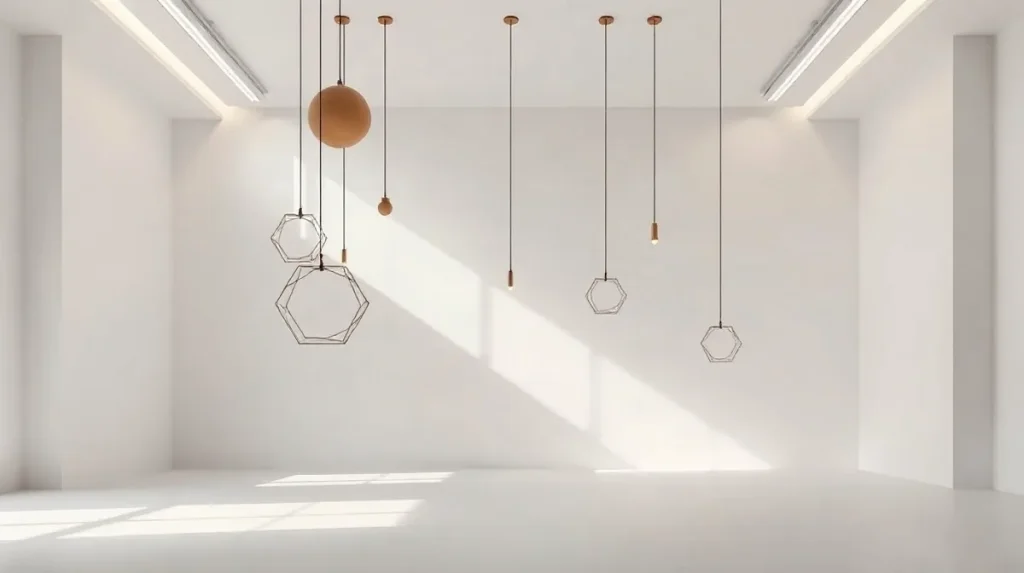
Installation sculpture is a three-dimensional artistic practice that transforms a space by integrating objects, materials, and sometimes sensory elements to create an immersive environment or experience. This form challenges traditional sculpture by emphasizing spatial relationships and viewer interaction rather than isolated objects.
Understanding installation sculpture involves exploring how artists manipulate space, context, and perception to engage audiences beyond mere visual appreciation. Unlike conventional sculptures, installation works often invite viewers to enter, move through, or even participate in the artwork, blurring boundaries between art and environment. This approach reflects evolving artistic concerns about place, narrative, and sensory engagement, positioning installation sculpture as a dynamic and multifaceted art form.
For those interested in how installation sculpture connects with broader cultural themes, further reading can be found in our detailed analysis titled «Prada Marfa Sculpture: Cultural Significance and Artistic Context», which examines how site-specific works convey layered meanings through space and symbolism.
| Material | Typical Use | Durability | Cost Range (per unit) |
|---|---|---|---|
| Stainless Steel | Structural frames and outdoor elements | High (weather-resistant) | $50–$150 per kg |
| Fabric (e.g. nylon, polyester) | Room-scale draping and soft sculpture | Medium (requires treatment) | $10–$30 per m² |
| LED Lighting | Visual and sensory effects | High (electronics lifespan 50,000+ hours) | $100–$500 per unit |
| Sound Equipment | Audio immersion and interaction | Medium (dependent on maintenance) | $200–$2,000 per speaker |
- 16 days Installation time for Christo’s 2026 L’Arc de Triomphe wrapping
- $200,000 Typical starting budget for large installation sculptures
- 500 kg/m2 Maximum floor load capacity often enforced in public installation sites
- 6 months Planning duration for Olafur Eliasson’s 2019 Riverbed installation
What defines an installation sculpture compared to traditional sculpture?
Definition and Spatial Scope
Installation sculpture differs from traditional sculpture primarily by being site-specific and intended to transform the viewer’s spatial experience rather than existing as an isolated object. Unlike classical freestanding sculptures, which are typically designed to be viewed from all angles, installation sculptures often exceed 100 square meters in footprint, engaging entire rooms or outdoor environments. For example, Do Ho Suh’s fabric installations commonly fill entire buildings, creating immersive spaces that redefine the surrounding architecture.
Preparation for installation sculptures also tends to be more extensive; Olafur Eliasson’s 2019 “Riverbed” at the Louisiana Museum of Modern Art required over six months of planning and construction, reflecting the complexity involved in adapting to a specific site and audience interaction. Such scale and site specificity set installation sculpture apart from traditional forms that emphasize standalone, portable artworks.
Material and Medium Differences
Installation sculptures frequently incorporate a wide range of media beyond the conventional materials of bronze, marble, or stone found in traditional sculpture. These works often integrate sound, light, video, and even digital elements to create multisensory experiences. This distinguishes them from classical sculptures, which focus primarily on physical form and texture.
- Traditional sculptures typically use materials like bronze or marble, prized for durability and permanence.
- Installation sculptures employ mixed media, including electronic components and ephemeral materials, expanding artistic possibilities.
- The diversity of media often requires collaboration with specialists and longer production timelines, as exemplified by Eliasson’s six-month project duration.
How do artists plan and execute installation sculptures in practice?
Collaboration and Budgeting
Artists plan and execute installation sculptures through close collaboration with engineers, architects, and specialists, coordinating complex logistics and technical challenges. For example, Christo and Jeanne-Claude’s 2026 project L’Arc de Triomphe, Wrapped involved a team of 90 experts who completed the installation over 16 days, demonstrating the scale of interdisciplinary teamwork required.
Large-scale installations typically require significant budgets, often starting at $200,000 to cover materials, labor, and necessary permits. This budget range is common among major exhibitions such as those at the 2025 Venice Biennale, where high costs reflect the complexity and scale of the works.
Regulations and Tools
Compliance with environmental and safety regulations is a critical factor in planning installations, especially in public spaces. Artists must adhere to local laws like the US Americans with Disabilities Act (ADA), which mandates accessibility standards to ensure safe and inclusive access for all visitors.
Digital modeling software such as Rhino 7 is widely used in the design phase to visualize and refine spatial arrangements, while physical scale models—often built at scales up to 1:10—allow for hands-on assessment of structural and aesthetic details before full-scale construction begins.
- Team size example: 90 specialists (Christo and Jeanne-Claude, 2026)
- Installation duration: 16 days (Christo and Jeanne-Claude, 2026)
- Budget threshold: $200,000 minimum for large installations (Venice Biennale, 2025)
- Regulatory standard: US ADA accessibility laws
- Design tools: Rhino 7 software; physical scale models up to 1:10
Why is viewer interaction and sensory experience central to installation sculpture?
Sensory Dimensions
Viewer interaction and sensory experience are central to installation sculpture because they transform passive observation into immersive engagement, activating multiple senses to deepen perception. For example, Janet Cardiff’s ‘The Forty Part Motet’ (2016) uses 40 individually placed speakers to create a spatial audio environment, enabling visitors to experience the choral piece from various positions. This multi-sensory approach extends the duration of engagement, with visitor interaction times ranging between 10 and 45 minutes depending on the installation’s complexity, as noted in museum visitor studies.
Environmental Influence
The environmental context of an installation significantly shapes how sensory elements are perceived and experienced. James Turrell’s light installations manipulate natural and artificial light to alter spatial perception, demonstrating how light and space interplay to affect visual experience. Similarly, installations incorporating natural elements such as plants or water require ongoing maintenance and have variable lifespans; for instance, Yayoi Kusama’s outdoor pumpkin sculptures were exhibited for three years, balancing durability with environmental factors.
- Janet Cardiff’s ‘The Forty Part Motet’ (2016): 40 speakers for spatial sound
- Visitor interaction duration: 10 to 45 minutes based on complexity
- Yayoi Kusama’s outdoor pumpkins: exhibited for 3 years
When do installation sculptures face limitations or challenges?
Structural and Logistical Barriers
Installation sculptures often face limitations due to site-specific structural capacities and complex logistics. Many public venues impose a maximum floor load of 500 kg/m², restricting the size and weight of artworks that can be safely displayed. Additionally, transporting and assembling large-scale pieces can dramatically increase expenses; for example, Anish Kapoor’s ‘Cloud Gate’ required several months of detailed planning and the use of specialized cranes, illustrating the costly and time-intensive nature of such projects.
Material Durability and Safety
Outdoor installation sculptures must contend with environmental exposure that can degrade materials if not properly selected. Weatherproof options like stainless steel or treated wood are essential to maintain integrity over time. Furthermore, ensuring viewer safety and accessibility is critical; installations must pass rigorous safety inspections, and failure to comply with regulatory standards can result in delays or cancellation of exhibitions, underscoring the importance of adherence to safety protocols.
How do installation sculptures relate to broader art contexts and cultural significance?
Cultural Engagement
Installation sculptures often engage deeply with site history and community identity, weaving local narratives into the physical space to create meaningful cultural dialogue. For example, the Prada Marfa sculpture (2005) in Texas references both consumer culture and regional landscape, serving as a landmark that interacts with its environment and viewers alike. Eco-conscious installations increasingly reflect global environmental concerns by incorporating recycled materials or renewable energy sources, aligning with trends in environmental art that emphasize sustainability and ecological awareness.
Institutional and Market Roles
Installation sculptures occupy a central role in contemporary art markets and institutional frameworks, frequently featured in major events such as the 2026 Venice Biennale and Art Basel. These platforms highlight installation art’s evolving importance, influencing collector interest and museum acquisitions. By challenging traditional museum display norms, installation sculptures prompt curators to develop new approaches that integrate architecture and environment, reshaping exhibition design and visitor engagement on a broad scale.
Frequently asked questions
What materials are commonly used in installation sculpture?
How long does it typically take to install a large installation sculpture?
Are installation sculptures permanent or temporary?
What technical skills do artists need for installation sculpture?
Key takeaways
- Installation sculptures transform spaces through immersive, multi-sensory design.
- Large-scale projects require extensive planning, budgets often exceeding $200,000.
- Viewer interaction and environmental context are key creative considerations.
- Structural, logistical, and safety challenges limit installation feasibility.
- Installation art plays a vital role in contemporary art discourse and site-specific cultural narratives.