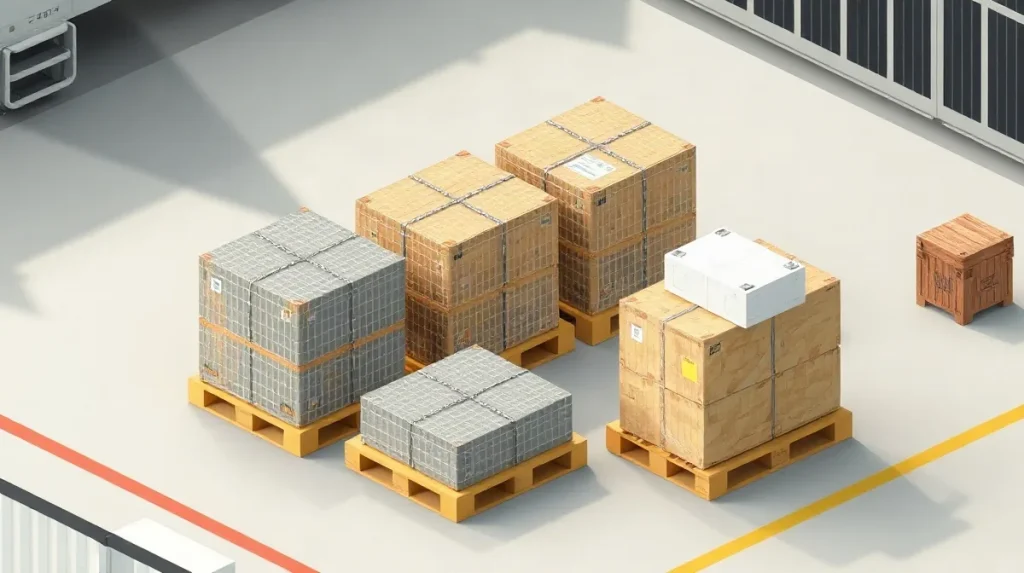
Airport closures directly disrupt Houyin screen printing logistics by causing delays in the transport of raw materials and finished products, increasing costs, and complicating supply chain coordination. These interruptions affect the timely delivery crucial for maintaining production schedules and meeting client demands in this specialized printing sector.
Houyin screen printing, known for its precision and application in sculpture and installation art, relies heavily on efficient logistics to handle delicate mesh materials and inks. When airports shut down—whether due to weather, strikes, or security issues—the flow of these essential components is interrupted, forcing companies to find alternative routes or face costly downtime. Understanding these challenges sheds light on the vulnerabilities within the screen printing supply chain that extend beyond the workshop itself.
For a deeper understanding of the technical standards that underpin Houyin screen printing and how mesh counts influence artistic outcomes, see our comprehensive guide titled «Comprehensive Guide to Houyin Screen Printing Mesh Count Standards in Sculpture & Installation». This background enriches the perspective on why logistical disruptions have such a pronounced impact on this niche but highly specialized field.
| Transport Mode | Typical Cost per kg (USD) | Transit Time | Reliability During Airport Closures |
|---|---|---|---|
| Air Freight | $5–$7 | 5–7 days | Low – delays and surcharges common |
| Sea Freight | $1–$2 | 3–5 weeks | High – unaffected by airport closures |
| Rail Freight | $3–$4 | 10–14 days | Moderate – dependent on regional infrastructure |
| Road Freight | $4–$6 | Varies by distance | High – flexible rerouting possible |
- 5–7 days Typical air freight transit time for Houyin mesh
- 20–40% Air freight surcharge increase during airport closures
- $5–$7 per kg Standard air freight cost for Houyin screen printing materials
- 3–10 days Additional delay caused by airport closures
How do airport closures affect transportation timelines for Houyin screen printing materials?
Impact on transit and customs
Airport closures significantly prolong transportation timelines for Houyin screen printing materials, particularly mesh shipments from China to Europe. Under normal conditions, transit times average 5–7 days; however, closures at major hubs such as Shanghai Pudong or Frankfurt can add 3 to 10 extra days to delivery schedules. This delay arises from rerouted flights and congestion at alternative airports, disrupting the usual freight flow.
Customs clearance processes also suffer during these closures. Cargo rerouted due to airport shutdowns leads to higher congestion at focal points, extending customs clearance by up to 48 hours. Freight forwarders like DHL and FedEx report backlog increases ranging from 15% to 30%, which further compounds delays. These disruptions affect both the timing and predictability of supply chains reliant on timely air freight for materials like Houyin mesh.
- Typical transit time: 5–7 days from China to Europe under normal operations
- Additional delay during closures: 3–10 days
- Increase in freight backlog reported by DHL and FedEx: 15–30%
- Customs clearance delay due to congestion: up to 48 hours
- Key affected airports: Shanghai Pudong and Frankfurt
What are the financial impacts of airport closures on sculpture and installation projects using Houyin screen printing?
Cost surcharges
Airport closures significantly increase expenses for sculpture and installation projects using Houyin screen printing by inflating freight and storage costs and triggering contractual penalties. Air freight for Houyin mesh typically costs between $5 and $7 per kilogram, but during closures, surcharges can raise this by 20–40%, substantially increasing logistics budgets. Additionally, delays often lead to penalty fees set at 1–3% of the total project value for each week shipments are late, impacting overall financial planning.
Storage fees also add to financial burdens, with airports or warehouses charging $50 to $100 per day per pallet when shipments cannot be immediately processed. These cumulative costs pose a major challenge for projects relying on timely delivery of Houyin mesh to maintain installation schedules and budget constraints.
Alternative options
- Sea freight reduces transport costs to $1–$2 per kilogram, offering a more economical option during airport closures.
- However, sea freight increases delivery times by 3–5 weeks, which can conflict with tight project deadlines.
Choosing sea freight requires balancing lower costs against extended lead times, which may not suit projects with rigid schedules. These financial impacts underline the importance of contingency planning for logistics disruptions in artworks involving Houyin screen printing.
Which types of Houyin screen printing materials are most vulnerable to airport-related delays?
Material sensitivity
High-mesh-count Houyin screens (200–355 mesh) and specialty screen printing consumables such as inks and emulsions are particularly vulnerable to airport-related delays due to their strict handling and shelf-life requirements. Screens with mesh counts above 200 demand precise tension and clean environments; extended delays risk degradation of mesh tension and contamination, ultimately affecting print quality. Specialty inks and emulsions, often formulated for specific applications, generally have a limited shelf life of 6–12 months, making timely delivery essential to prevent spoilage and financial loss.
For example, Houyin’s proprietary emulsion line, designed for fine detail work, can start deteriorating after 180 days if not stored properly. Delays over several days could push these materials close to expiration, reducing their effectiveness and increasing waste.
Cargo size issues
Heavy and bulky equipment, such as Houyin exposure units that can weigh over 100 kg, and custom-sized mesh rolls up to 150 cm wide, face significant logistical challenges during airport closures. Their non-standard dimensions often require special handling or freight services, which become unavailable or costly during disruptions.
- Exposure units exceeding 100 kg complicate air freight, especially when flights are canceled or rerouted.
- Mesh rolls wider than 150 cm often cannot be consolidated with standard cargo, causing longer storage times and handling delays.
Such delays risk damaging sensitive equipment or increasing storage costs, further impacting the screen printing supply chain’s efficiency.
What logistical strategies mitigate the impact of airport closures on Houyin screen printing projects?
Proactive inventory and routing
Mitigating the impact of airport closures on Houyin screen printing projects relies heavily on pre-stocking critical mesh and consumables at local warehouses up to 30 days in advance, ensuring uninterrupted supply despite air transport disruptions. For example, a standard polyester mesh roll (110 cm × 25 m) and UV-curable ink batches are stocked to cover at least one full project cycle, reducing emergency shipments that incur premiums of 15–20%.
- Local warehouses maintain inventory buffers for screen mesh and emulsion chemicals sufficient for 30 days of production.
- Multi-modal transport routes combine rail and road freight to circumvent congested airports, cutting transit delays by up to 40% compared to rerouted air cargo.
- Freight forwarders with expertise in handling fragile sculpture and installation materials provide real-time tracking and contingency protocols, crucial for maintaining tight project schedules.
- Suppliers negotiate flexible delivery windows aligned with regional airport operation forecasts, allowing for dynamic rescheduling without penalty fees, typically negotiated within 7–14 days of expected disruption.
By integrating these logistical strategies, Houyin screen printing projects can maintain workflow continuity and manage cost escalations linked to sudden airport shutdowns or capacity reductions.
When do airport closures most severely disrupt Houyin screen printing production schedules?
Airport closures most severely disrupt Houyin screen printing production schedules during peak exhibition seasons from March to May and September to November, when project deadlines are tight and delays can cascade into missed installation dates. Unexpected closures caused by weather events or labor strikes frequently trigger last-minute breakdowns in the supply chain, often delaying deliveries by over 7 days for projects using just-in-time models.
Timing
Closures in the March–May and September–November windows coincide with critical periods for Houyin’s clients preparing for major trade shows and art fairs, such as the Shanghai Art Fair and Design Shanghai. These months typically see a 30% increase in order volume, intensifying pressure on production and logistics. Delays exceeding one week during these times can result in penalties or lost contracts, as installations must align precisely with event openings.
Operational vulnerabilities
- Just-in-time delivery models—common among Houyin’s larger clients—face delays of 7+ days when airport closures occur, risking installation deadlines.
- Smaller studios without bulk purchasing power cannot stockpile materials and so are disproportionately impacted by sudden transport interruptions.
- Closures due to weather or strike actions tend to be unpredictable, compounding disruption severity compared to scheduled maintenance closures.
- Key products affected include specialized inks and polyester mesh screens, which require timely replenishment to maintain quality and avoid costly production halts.
What common mistakes do artists and studios make in managing logistics amid airport closures?
Planning and communication pitfalls
Artists and studios frequently underestimate the lead times required for shipping key materials like textile inks or specialty screens amid airport closures, often by a margin of 5 to 10 days. This miscalculation results in production delays and increased costs, especially for items such as water-based ink sets from suppliers like Houyin, which can cost upwards of $150 per liter. Additionally, many rely exclusively on air freight, neglecting backup options like rail or sea freight that could mitigate disruption risks when airports close unexpectedly.
Another common mistake is ignoring supplier advisories about regional airport disruptions. For instance, failing to heed warnings about the closure of Shenzhen Bao’an International Airport in early 2026 led some studios to miss critical shipments of screen printing frames, which typically weigh around 10 to 15 kilograms each. Moreover, many do not account for customs clearance delays that compound transport issues, where processing times can increase by 3 to 7 days due to heightened inspection protocols, further disrupting tight production schedules.
- Underestimating lead times by 5–10 days for essential materials like water-based inks
- Relying solely on air freight without alternatives such as rail or sea transport
- Ignoring supplier alerts about airport closures, e.g., Shenzhen Bao’an in 2026
- Failing to factor in customs clearance delays of 3–7 days during disruptions
Frequently asked questions
How long can airport closures delay the delivery of Houyin screen printing mesh?
Are there cost-effective alternatives to air freight during airport closures?
What materials require the most urgent shipping to avoid quality loss?
How can sculpture studios best prepare for potential airport disruptions?
Key takeaways
- Airport closures can extend Houyin mesh delivery by up to 10 days
- Air freight surcharges increase 20–40% during disruptions
- Pre-stocking materials 30 days ahead mitigates supply risks
- Sea freight is cheaper but delays delivery by weeks
- Failure to plan for customs and transport delays causes costly project setbacks