Paul Durand-Ruel: The Catalyst Behind Impressionism’s Global Reach
Paul Durand-Ruel revolutionized the art market by championing Impressionism in the late 19th century, transforming it from a controversial French avant-garde style into a worldwide phenomenon. The Neue Nationalgalerie in Berlin is currently hosting an exhibition that meticulously traces Durand-Ruel’s efforts from the 1870s onward, showcasing how his innovative strategies expanded Impressionism beyond France. This exhibition, open through December 2026, highlights Durand-Ruel’s foresight in investing heavily in artists like Monet, Renoir, and Pissarro when their works were undervalued.
The exhibition reveals that Durand-Ruel purchased thousands of paintings at modest prices, often risking financial loss. His approach included organising international exhibitions and promoting Impressionist works in markets such as London and New York, where he achieved notable sales increases. By the 1880s, Impressionist paintings that initially sold for a few hundred francs began fetching prices in the thousands of dollars overseas, illustrating the dealer’s pivotal role in elevating their status and market value.
Exhibition Highlights: Rare Artworks and Historical Documents
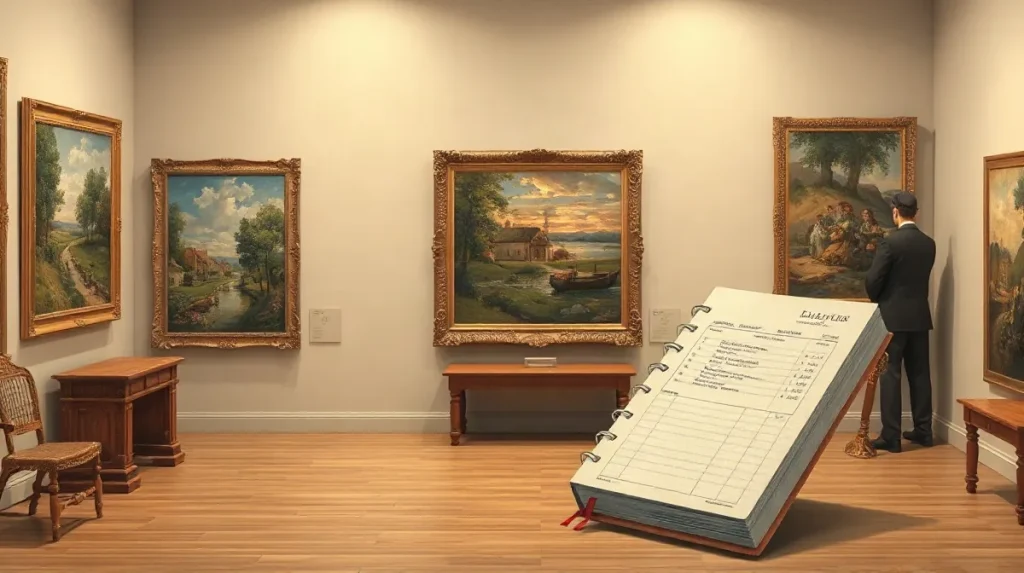
The Berlin show presents over 150 pieces, including key paintings by Claude Monet and Pierre-Auguste Renoir, many on loan from private collections and French museums. Alongside the paintings, visitors can view Durand-Ruel’s correspondence and ledgers that document his extensive network and sales strategies, offering rare insight into the business side of Impressionism’s rise. These documents detail transactions amounting to tens of thousands of francs annually during the 1880s, a significant sum for an emerging art movement.
This archival material underscores Durand-Ruel’s role not only as a dealer but also as a promoter of Impressionist ideals, organizing exhibitions in venues like the Grafton Galleries in London and the American Art Association in New York. The 2026 exhibition also features early catalogues and press clippings that demonstrate how Durand-Ruel cultivated public and critical interest, ultimately shaping the reception and historiography of Impressionism worldwide.
Durand-Ruel’s Business Model: Innovation in the Art Market
Durand-Ruel pioneered a business model that combined long-term artist support with aggressive international marketing. Unlike traditional dealers who focused on quick sales, he bought large quantities of works outright, sometimes holding them for years to build their reputations. This strategy was financially risky, requiring significant capital during periods when Impressionism was widely rejected by mainstream collectors and institutions.
His investment paid off notably in the United States, where the dealer staged a landmark 1886 exhibition in New York that introduced Impressionism to American collectors. The event helped establish a market where paintings by Monet and Renoir began selling for prices between $500 and $5,000—substantial for the time—laying the groundwork for Impressionism’s enduring global market presence. Durand-Ruel’s approach influenced art dealing practices and expanded the international circulation of modern art.
Impact on Museums and Collecting Practices
The exhibition also explores how Durand-Ruel’s efforts affected museum acquisitions and private collections. By the early 20th century, major institutions in Europe and the United States—such as the Metropolitan Museum of Art in New York—began acquiring works directly or indirectly through Durand-Ruel’s network. These acquisitions elevated Impressionism’s stature in public collections, influencing curatorial priorities worldwide.
This shift contributed to Impressionism becoming a cornerstone of modern art history and museum programming. The Berlin exhibition points out that Durand-Ruel’s promotion helped transform Impressionism from a fringe movement into a mainstream cultural asset, shaping collecting trends that persist today. His vision helped secure the legacy of artists who had struggled for recognition during their lifetimes.
Legacy and Continued Relevance in 2026
More than 150 years after Durand-Ruel’s initial investments, the global art market still reflects his influence. Impressionist works regularly command multimillion-dollar prices at auctions, and major retrospectives continue to draw international audiences. The Neue Nationalgalerie’s 2026 exhibition serves as a timely reminder of the dealer’s foundational role in this enduring success story.
By chronicling Durand-Ruel’s innovative methods and global outreach, the exhibition enriches understanding of art market history and the economic forces behind artistic movements. It invites reflection on how dealer-artist relationships and international promotion shape cultural heritage and market dynamics even in the present day.
Takeaway: The Neue Nationalgalerie’s exhibition underscores Paul Durand-Ruel’s decisive role in transforming Impressionism into a global artistic and commercial force.