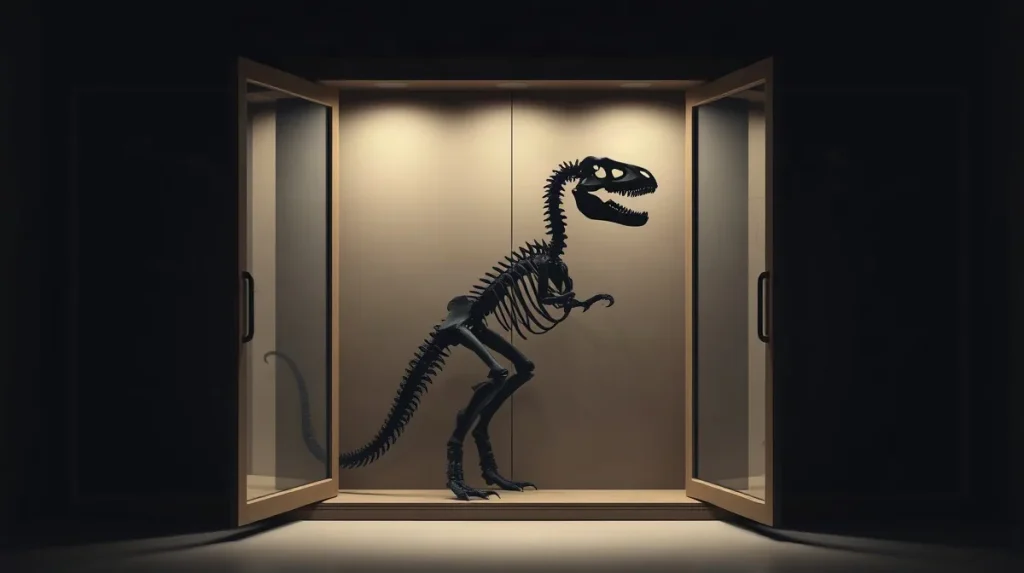
Philadelphia City Council is investigating the closure of the Academy of Natural Sciences, and Drexel University’s president is due to testify under subpoena on 16 November. The hearing will address the sudden shutdown of the 198-year-old public museum and the future of its collection of more than 19 million specimens.
Why the council opened an inquiry
The council passed a resolution on 17 September calling for an investigation. It described institutions such as the Academy as part of Philadelphia’s cultural fabric and warned that the closure would affect local residents for whom the museum is a neighbourhood fixture.
An initial hearing took place on 26 October without Drexel’s president. University representatives told council members that the building has substantial capital needs and argued that public exhibitions require a new model, almost certainly in another location. The council’s next scheduled step is the president’s testimony on 16 November.
A museum with a long research history
Founded in 1812, the Academy calls itself the oldest natural history research institution in the Americas. It opened its museum to the public in 1828 and displayed Hadrosaurus foulkii in 1868 as the world’s first mounted dinosaur skeleton.
The collection includes plants gathered during the Lewis and Clark expedition, birds associated with John James Audubon and fossils belonging to Thomas Jefferson. The Academy became affiliated with Drexel in 2011, while remaining a separate nonprofit with its own board. Drexel told the council it had stepped in as a partner that year when the Academy faced severe financial distress.
Staff cuts and questions about care
Academy staff learned of the closure at a morning meeting on 1 September, according to former geosciences collection manager and fossil preparator Amber Redfield. Most staff had been laid off by 1 November. Redfield, who was also laid off and now volunteers at the museum, says the remaining collection managers have seen an “astronomical increase” in calls and emails from people asking whether specimens are safe, accessible or available for appointments.
Isa Betancourt, a former entomology curatorial assistant and organiser with the Save the Academy coalition, says the number of curators has fallen from 11 to five. The invertebrate palaeontology collection manager recently left for a job at the American Museum of Natural History; Betancourt says there is no plan to replace her. Endowed curator positions in entomology and palaeontology have also remained vacant for years, she says.
Redfield says the museum received more than 60,000 visitors during its final 12 days of public opening. Volunteer work is common in natural history collections, Betancourt says, but cannot provide a sustainable substitute for paid staff. The Academy’s social media accounts have been inactive for two months, and staff cannot access them because Drexel controls the accounts, she adds.
Funding offer and unresolved choices
The William Penn Foundation offered a year of funding to replace Drexel’s subsidy for the museum. A foundation spokesperson said it had received no response to the offer; Drexel later said it had not received a formal proposal defining the amount of support. During the 26 October hearing, council members asked Drexel representatives to check their figures, Sarah McAnulty, a squid biologist and Save the Academy organiser, said.
Save the Academy wants Drexel to explain why it did not undertake a capital campaign and why the scientific community was excluded from behind-the-scenes negotiations, Betancourt says. The council’s inquiry continues with Drexel’s president scheduled to appear on 16 November; the future location and public access arrangements for the museum remain unresolved.
Sources
- tavily.com — “Philadelphia City Council”
- Commonwealth of Pennsylvania — “Grants, Loans, and Rebates | Department of Environmental Protection”
- cityoffrederickmd.gov — “News Flash • Frederick, MD”
- ms.gov — “Search Results – Buying and Selling to Government of Mississippi”
- loudoun.gov — “News & Announcements • Loudoun County, VA”