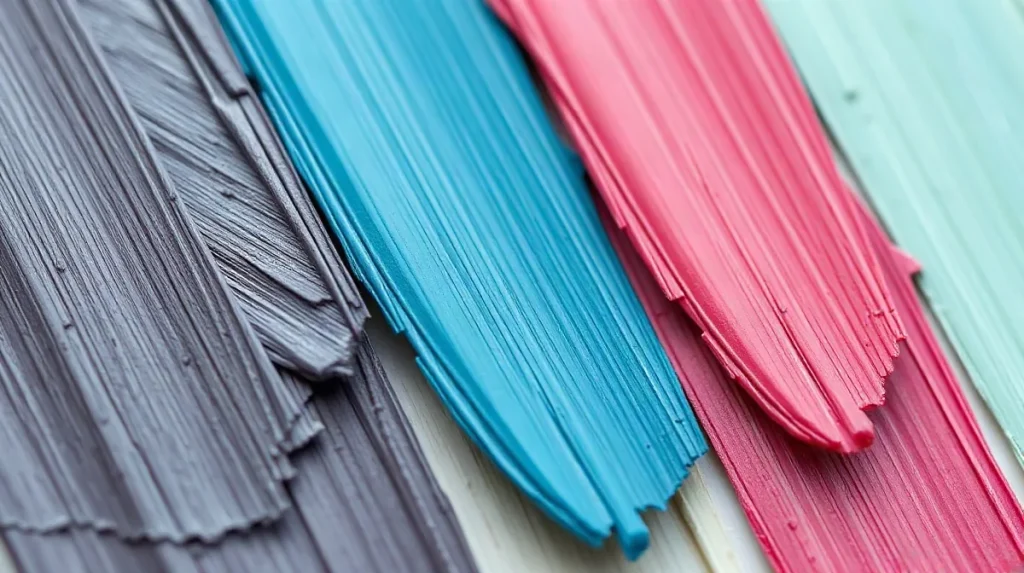
Tempera paint offers a matte, fine texture and dries quickly but is less durable over time, while oil paint provides a rich, glossy surface with slow drying and exceptional longevity. Acrylic paint combines versatility with a flexible texture and faster drying time, maintaining color stability and durability in diverse conditions.
Understanding how tempera, oil, and acrylic paints differ in texture and longevity is essential for artists, collectors, and conservators alike. Each medium brings unique qualities that influence not only the creative process but also the preservation and aging of artworks. From the delicate, chalky finish of tempera to the buttery richness of oils and the adaptable nature of acrylics, these differences shape artistic choices and the life span of paintings.
As contemporary and traditional art practices continue to evolve, knowing the characteristics of these three common paints helps in selecting the right medium for a project and anticipating how it will endure. This exploration sheds light on the tactile experience and durability of tempera, oil, and acrylic paints, highlighting their distinct roles in the art world.
| Criterion | Tempera | Oil | Acrylic |
|---|---|---|---|
| Drying Time | About 15 minutes (Gamblin) | 2–7 days (Winsor & Newton) | 30–60 minutes (Golden) |
| Texture | Matte, powdery finish | Glossy, rich brushstrokes | Flexible, plastic-like |
| Longevity | Centuries with humidity control | 500+ years, sensitive to UV | Decades with UV protection |
| Support | Rigid panels required | Canvas and panels | Canvas, panels, mixed media |
| Typical Cost per Tube | $18 for 37 ml | $20–35 for 37 ml | $10–25 for 59 ml |
| Environmental Sensitivity | Sensitive to humidity | Sensitive to temperature & UV | Prone to brittleness without UV |
- 15 minutes Typical drying time for tempera paint
- 2–7 days Surface drying time for oil paint
- 30–60 minutes Drying time range for heavy body acrylic paint
- $10–$35 Price range per tube for professional-grade paints
- 40–60% Recommended relative humidity for tempera painting preservation
What are the key physical differences in texture among tempera, oil, and acrylic paints?
Drying times and finishes
The key physical differences in texture among tempera, oil, and acrylic paints stem primarily from their drying times and resulting surface finishes. Tempera paint, exemplified by Gamblin’s Traditional Tempera, dries rapidly in about 15 minutes and yields a matte, powdery finish with very little gloss. In contrast, oil paints such as Winsor & Newton Artists’ Oil Colors take much longer to dry—often between 2 to 7 days for surface drying—and develop a rich, glossy texture. Acrylic paints like Golden Heavy Body Acrylics fall between these extremes, drying within 30 minutes to an hour and producing a finish that can vary from matte to glossy depending on the additives used.
Surface feel and brushstroke visibility
The tactile quality and visibility of brushstrokes also differ significantly among these paint types. Tempera’s quick drying leads to a firm, dry surface with a powdery texture that minimizes visible brushstrokes. Oil paint’s slow drying allows brushstrokes to remain prominent and textured, contributing to its characteristic depth and sheen. Acrylics, with their plastic-like flexibility, create a surface that can be smooth or textured but generally less glossy than oils unless gloss agents are added. This flexibility also allows acrylics to endure surface movement without cracking.
- Tempera: dries in ~15 minutes, matte powdery finish with minimal gloss
- Oil paint: surface drying over 2–7 days, rich glossy texture with visible brushstrokes
- Acrylic: dries within 30–60 minutes, flexible plastic-like surface, finish varies from matte to glossy
How does the longevity of tempera, oil, and acrylic paints compare under typical museum conditions?
Historical durability
Tempera, oil, and acrylic paints each demonstrate distinct longevity profiles under typical museum conditions, shaped by their historical performance and chemical makeup. Egg tempera paintings have endured for over five centuries, with examples dating back to the Renaissance still visible today, illustrating their remarkable archival quality. Oil paintings share a similarly long legacy, with many masterpieces preserved for more than 500 years. Acrylic paints, commercially available since the 1950s, have a shorter track record but are known for their resistance to common aging issues seen in oils.
Environmental sensitivities
The longevity of these paint types in museums hinges on strict environmental control. Egg tempera is highly sensitive to humidity, requiring stable relative humidity levels between 40% and 60% to prevent paint layer deterioration. Oil paintings benefit from temperature stability within 18–21°C to reduce risks of yellowing and cracking caused by UV exposure and thermal fluctuations. Acrylics resist yellowing better than oils but may become brittle over decades without adequate UV protection, as demonstrated by products like Liquitex acrylics introduced in 1955.
- Egg tempera: optimal 40–60% relative humidity for preservation
- Oil paint: recommended stable temperature range 18–21°C to minimize cracking
- Acrylic paint: requires UV filtering to prevent brittleness after several decades
What visual effects are unique to tempera, oil, and acrylic paints due to their composition?
Binder composition
Tempera’s unique visual effects stem from its egg yolk binder, producing a matte, velvety surface with fine, precise lines that resist darkening over centuries, a quality prized in icon painting traditions. Oil paint’s linseed oil binder yields a glossy finish that deepens in hue with age, enabling artists to build luminous layers and subtle tonal gradations. Acrylic paints contain synthetic polymer binders that dry quickly to a flexible, water-resistant film, supporting diverse textures and mixed media applications. For example, Golden Acrylic Glazing Liquid, a commercial product, enhances acrylic transparency while preserving brightness and adhesion.
Color and layering capabilities
Oil paints excel in blending and glazing, allowing gradual color transitions and rich saturation, as exemplified by Rembrandt’s use of translucent layers to achieve depth. Tempera’s rapid drying limits blending but supports detailed hatchwork and sharp contours, maintaining color clarity without yellowing. Acrylics permit rapid layering and reworking, with glazing mediums enabling transparent color washes that retain vibrancy. These properties enable artists to explore various visual effects through layering techniques.
- Tempera’s matte finish remains stable without darkening for over 500 years in museum collections.
- Linseed oil in oil paints allows color saturation levels that can vary with drying times from days to weeks.
- Golden Acrylic Glazing Liquid (around $25 for 237 ml) facilitates transparent layering and mixed media compatibility.
When do tempera, oil, or acrylic paints present limitations or challenges for artists?
Tempera, oil, and acrylic paints each pose specific challenges that can limit their use depending on an artist’s technique and working environment. Tempera’s rapid drying restricts blending opportunities, oil paint’s slow curing delays project progress, and acrylics may darken subtly upon drying and struggle to replicate the luminous depth of oils, affecting artistic outcomes.
Drying and working time
Tempera paint dries within minutes, often under 30 minutes on wood panels, requiring artists to work in small, controlled sections to avoid harsh edges. This fast drying makes large-scale, fluid blending difficult, contrasting with oil paints, which can take days to weeks to fully dry, allowing extended manipulation but prolonging completion time. Acrylics dry faster than oils—typically within 1 hour—but their polymer film formation can cause a slight darkening effect as the paint cures.
Health and environmental considerations
Oil paints release volatile organic compounds (VOCs) during drying, necessitating well-ventilated studios to minimize health risks, especially since some solvents used in oil painting contain hazardous chemicals. Tempera, traditionally water-based, requires rigid supports such as wood panels and is less toxic but less versatile for flexible canvases. Acrylics, while water-based and lower in VOCs, can pose challenges in achieving traditional oil-like effects, which may be important for artists seeking certain textures and color depths.
- Tempera drying time: under 30 minutes on rigid wood supports
- Oil paint drying: days to weeks with VOC emissions requiring ventilation
- Acrylic drying: approximately 1 hour with slight color darkening due to polymer film
How do costs of tempera, oil, and acrylic paints compare for professional artists?
Price per volume
Professional tempera paint is generally more expensive per milliliter than oil and acrylic paints due to its artisanal production and niche status. For example, a 37 ml tube of Winsor & Newton Egg Tempera costs about $18. In comparison, Winsor & Newton Artists’ Oil Colors in the same 37 ml size range from $20 to $35, depending on pigment rarity. Golden Heavy Body Acrylics, sold in larger 59 ml tubes, retail between $10 and $25, making acrylics the most cost-effective option by volume among these three.
Pigment cost impact
The cost differences largely reflect the pigments used, which are often the most expensive component in professional paints. Oil paints like Winsor & Newton’s line can reach $35 per 37 ml tube when containing rare pigments such as cadmium red. Tempera’s cost is influenced by its traditional egg-based binder and small-scale manufacture, while acrylics benefit from synthetic pigments and larger production volumes, allowing for lower prices. Artists often weigh these factors alongside the paint’s longevity and texture when choosing their medium.
- Winsor & Newton Egg Tempera: ~$18 for 37 ml
- Winsor & Newton Artists’ Oil Colors: $20–$35 for 37 ml
- Golden Heavy Body Acrylics: $10–$25 for 59 ml
- Cadmium red pigments drive oil paint prices to the upper range
Frequently asked questions
Can tempera paint be used on canvas like oil and acrylic?
Which paint is best for outdoor murals in terms of longevity?
How long does it typically take for oil paint to fully cure?
Key takeaways
- Tempera dries quickly and offers matte, detailed finishes but requires rigid supports.
- Oil paint provides rich, glossy textures with long working times but needs ventilation and careful environmental control.
- Acrylics dry fast with flexible textures and UV resistance, making them cost-effective and versatile.
- Each paint’s binder affects its visual qualities and aging characteristics distinctly.
- Cost varies widely depending on pigment and tube size, with acrylics generally the most affordable.