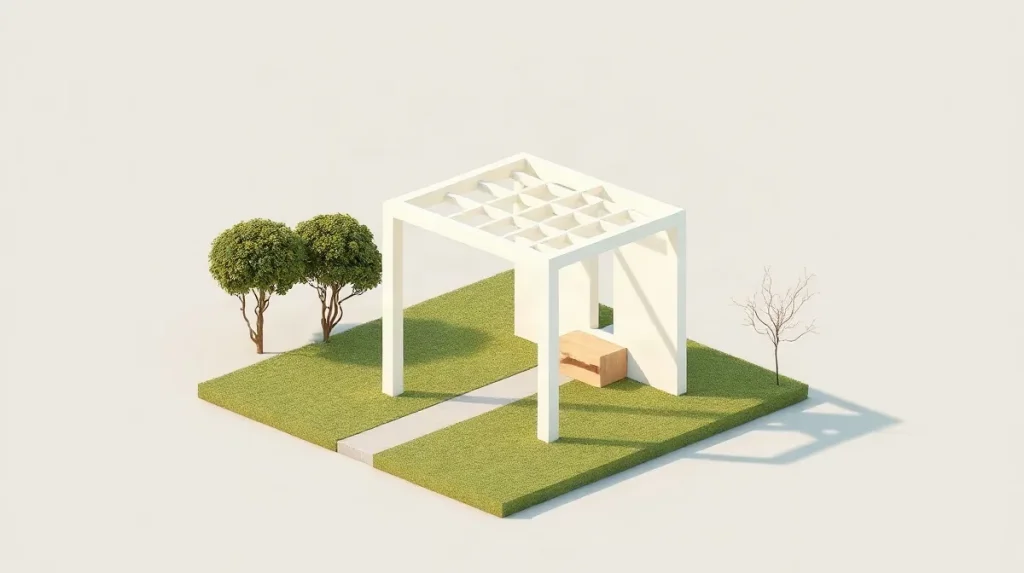
Sculpture and installation intersect in contemporary art by merging three-dimensional form with immersive spatial experience, transforming traditional objects into environments that engage viewers physically and conceptually. This fusion expands the boundaries of sculpture, emphasizing interaction, site-specificity, and narrative over mere objecthood.
The convergence of sculpture and installation challenges conventional definitions of art by dissolving the line between standalone artwork and environmental design. Contemporary artists often create immersive settings where sculptural elements are arranged to shape the viewer’s movement, perception, and emotional response within a given space. This approach highlights how physical context and audience engagement become integral to the artwork’s meaning, rather than serving as a backdrop or secondary consideration.
Understanding how these disciplines overlap offers insight into the evolving language of visual art today. For readers interested in the cultural symbolism and artistic context that inform such forms, see our detailed analysis in «Prada Marfa Sculpture: Cultural Iconography and Artistic Context» for a deeper exploration of how site and object combine to create new meanings in contemporary sculpture and installation.
| Aspect | Sculpture | Installation | Hybrid Examples |
|---|---|---|---|
| Form | Three-dimensional object | Immersive spatial experience | Prada Marfa’s architectural form |
| Material | Durable (bronze, steel) | Mixed media (light, sound) | Adobe and real merchandise in Prada Marfa |
| Scale | 1–5 m tall typical | Up to entire rooms or outdoor sites >100 m² | 4.5 m wide site-specific structure |
| Audience Interaction | Primarily visual | Immersive, sometimes participatory | Visitors can approach but not enter Prada Marfa |
| Conservation | Material stability focus | Technology and site upkeep | Annual $15,000 maintenance at Prada Marfa |
- 4.5 m x 2.7 m Dimensions of Prada Marfa structure
- $30,000 Value of Prada products displayed in Prada Marfa
- $15,000 per year Estimated annual maintenance cost for Prada Marfa
- 5000 m² Installation area at the Venice Biennale 2026
- 110,000 kg Weight of Anish Kapoor’s sculpture 'Cloud Gate'
What distinguishes sculpture from installation in contemporary art?
Defining form and space
Sculpture in contemporary art is primarily identified by its three-dimensional form intended for viewing from multiple angles, whereas installation art is defined by its immersive, site-specific nature that envelops the viewer within the environment. Anish Kapoor’s ‘Cloud Gate’ (2006), a sculpture weighing roughly 110,000 kg, exemplifies form-centered work designed for physical and visual interaction from all sides. In contrast, Yayoi Kusama’s ‘Infinity Mirror Rooms,’ installed in various museums since 2013, create an enveloping spatial experience that transforms the viewer’s perception of the environment.
Material and scale differences
- Materials: Sculptures often use durable materials such as bronze, marble, or steel, chosen for their permanence and structural integrity.
- Mixed media: Installations incorporate a broader range of elements, including light, sound, and ephemeral components, to engage multiple senses.
- Scale: Typical contemporary sculptures range from 1 to 5 meters in height, while installations frequently occupy entire rooms or outdoor spaces that can exceed 100 square meters in area.
How does Prada Marfa exemplify the blend of sculpture and installation?
Site-specificity of Prada Marfa
Prada Marfa exemplifies the blend of sculpture and installation through its deliberate placement 26 miles outside Marfa, Texas, as a permanent, site-specific work that merges sculptural form with environmental context. Its remote desert location challenges traditional gallery norms by situating art outside conventional urban or museum spaces, emphasizing site specificity and inviting viewers to consider temporality in relation to place. Measuring 4.5 meters wide by 2.7 meters high, the piece mimics a retail boutique but is nonfunctional, reinforcing its sculptural presence while integrating with the vast landscape around it.
Material and conceptual hybridity
The installation combines physical sculpture with conceptual installation by incorporating real Prada products—shoes and handbags worth approximately $30,000—displayed behind glass, highlighting themes of consumer culture and artifice. This integration of branded merchandise within an architectural sculpture blurs boundaries between commercial display and artistic expression, making Prada Marfa both a tangible object and a provocative commentary. Its permanence and careful construction further distinguish it from ephemeral installations, underscoring its hybrid nature as both object and environment.
What practical challenges arise when creating hybrid sculpture-installations?
Material durability and upkeep
Creating hybrid sculpture-installations demands materials that can endure weather and environmental exposure, as exemplified by Prada Marfa’s use of adobe and stucco. These materials require ongoing maintenance estimated at $15,000 annually to address deterioration caused by elements like rain, wind, and temperature changes. Choosing durable construction components is crucial for preserving the artwork’s integrity over years or decades.
Legal and logistical considerations
Permitting and land-use regulations significantly impact the scale and permanence of sculpture-installations. Prada Marfa’s creation involved protracted negotiations with local Texas authorities beginning in 2004 to secure permissions for its placement on private land. Transport and installation logistics further complicate projects, often necessitating cranes, specialized labor, and several months of setup, which increases costs. Balancing visitor accessibility with conservation concerns is also complex, as Prada Marfa is publicly reachable yet vulnerable to vandalism, requiring ongoing preservation efforts.
- Annual maintenance cost of $15,000 for adobe and stucco materials (Prada Marfa).
- Permitting negotiations started in 2004 with Texas authorities for land use (Prada Marfa).
- Installation logistics may include cranes and months of labor-intensive setup.
- Location on private land with public access raises vandalism and conservation challenges.
How do institutions classify and display sculpture versus installation today?
Museum categorization
Museums today generally classify sculpture as standalone, physical objects, while installations are often grouped under ‘media arts’ or ‘environmental art’ departments. For example, the Museum of Modern Art (MoMA) in New York maintains a sculpture collection with discrete objects, whereas installations are frequently presented in dedicated media arts galleries to emphasize their immersive or technological aspects. This approach reflects the differing experiential and material qualities that distinguish sculptures from installations in institutional contexts.
Market and conservation differences
Gallery sales and conservation practices further highlight distinctions between sculpture and installation. Sculptures by mid-career artists typically sell within a price range of $50,000 to $500,000, reflecting their fixed, object-based nature. In contrast, installations often require commissioning with budgets exceeding $1 million due to their complexity and scale, such as those presented at the 2026 Venice Biennale, which featured 12 large-scale installations covering over 5,000 square meters. Conservation departments apply different protocols: sculpture conservation prioritizes material stability, while installation conservation must address technological components and site-specific dependencies to preserve the work’s integrity over time.
When does combining sculpture and installation pose artistic limitations?
Combining sculpture and installation can impose artistic limitations primarily through site specificity, cost, and conceptual challenges that affect audience engagement, production feasibility, and interpretive clarity.
Audience accessibility
Site-specific works such as Prada Marfa, located in a remote Texas desert, attract only a few thousand visitors annually, in stark contrast to urban sculptures in cities like New York or London, which can draw millions of viewers each year. This geographical isolation restricts direct audience reach and limits opportunities for public interaction. Additionally, the impermanence of many installations complicates long-term access and study, as these works often cannot be permanently housed or preserved by museums, thereby reducing their visibility over time.
Cost and conceptual clarity
The production and maintenance costs of hybrid sculpture-installation projects frequently exceed those of traditional sculptures by two to three times, posing financial barriers for artists and institutions. Budgets for large-scale installations can run into hundreds of thousands of dollars, as seen with recent projects requiring specialized materials and technical support. Furthermore, the conceptual ambiguity inherent in blending forms may confuse audiences expecting conventional sculpture, risking misinterpretation or underappreciation of the work’s intent and meaning.
Frequently asked questions
Is Prada Marfa considered sculpture or installation?
What materials are common in installation compared to sculpture?
How do museums preserve installations versus sculptures?
Why are installation artworks sometimes more expensive than sculptures?
Key takeaways
- Sculpture emphasizes form and materiality; installation focuses on space and experience.
- Prada Marfa uniquely merges sculptural architecture with site-specific installation.
- Hybrid works face practical challenges including maintenance costs and legal permissions.
- Institutions categorize and conserve sculpture and installation differently.
- Site specificity and cost can limit accessibility and production scale of hybrid art.