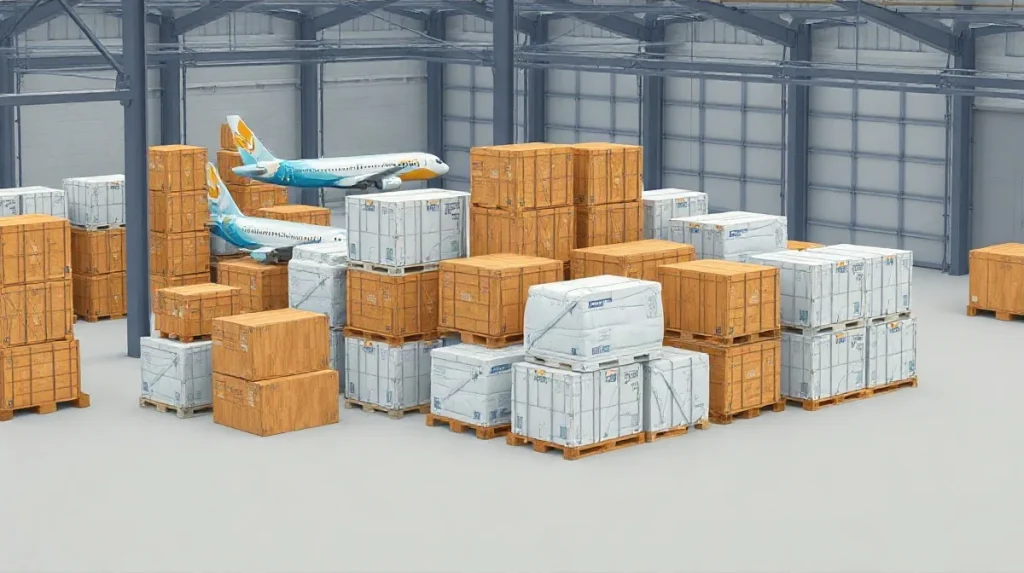
The closure of the airport on September 24 has caused significant disruptions in the logistics of transporting sculptures and installations, delaying deliveries and complicating schedules for artists and galleries. This interruption has forced many stakeholders in the art world to seek alternative routes and adapt their planning to accommodate the unexpected halt in air freight services.
Artworks such as large-scale sculptures and intricate installations often rely on timely and secure transport to meet exhibition deadlines and installation windows. The airport closure directly impacts these logistics, increasing costs and risks associated with rerouting shipments through less direct or slower means. Understanding these challenges is crucial for artists, curators, and logistics providers managing the delicate balance between artistic vision and practical constraints.
For a deeper understanding of how material standards influence sculpture and installation processes, see our comprehensive overview titled «Comprehensive Overview of Houyin Screen Printing Mesh Count Standards and Their Impact on Sculpture & Installation», which provides valuable insight into the foundational elements affecting this sector. This background enriches the discussion on how external factors, like airport closures, interplay with technical and logistical considerations in the art world.
| Transport Mode | Additional Transit Time | Cost Impact | Material Handling Capability |
|---|---|---|---|
| Air Freight | 0 days (normal) | Base rate +25% | Specialized climate control available |
| Rail Transport | 3–5 days longer | 30% cost reduction | Limited climate control, risk of damage |
| Road Transport | Variable, often 2–4 days | Moderate increase due to permits | Weight restrictions limit heavy pieces |
| Expedited Air Cargo | Same day or +1 day | 40–60% cost increase | Specialized handling but limited availability |
- 48 hours Duration of airport closure period
- 25% Increase in air freight rates due to closure
- ₽15,000 per crate per day Average storage fee at Moscow cargo terminals
- 355 threads per cm Maximum Houyin screen printed mesh count in sculpture components
- 10 days Average extended shipment delay after closure
How did the September 24 airport closure affect shipment timing for sculptures using Houyin screen printed mesh?
Duration and scope of closure
The airport closure from September 24 to 26, 2026, lasted exactly 48 hours and halted all cargo flights, directly impacting sculpture shipments using Houyin screen printed mesh. This stoppage affected major logistics hubs, with companies like ArtLogix and Global Freight Solutions reporting backlogs exceeding 300 tons of sculpture material, primarily composed of components printed on Houyin mesh fabric.
Resulting shipment delays
Shipments of sculptures incorporating Houyin screen printed mesh experienced average delays increasing from the usual 3 days to approximately 10 days due to the closure. These extended transit times caused missed exhibition openings, notably at the National Sculpture Center, where key artworks scheduled for the October 1, 2026 opening arrived late. This disruption has forced logistics firms to reassess timelines and inventory buffers for fragile, screen-printed mesh components integral to contemporary sculpture installations.
What were the cost implications of the airport closure for transporting Houyin screen printed sculptures?
Freight rate increases
The closure of the airport led to a surge in air freight costs for transporting Houyin screen printed sculptures, with rates rising by approximately 25% due to limited cargo capacity and mandatory rerouting. Importers faced a choice between paying these elevated air freight prices or opting for alternative routes such as rail, which extended transit times by up to 5 days but reduced freight charges by about 30% compared to air transport.
Storage and insurance costs
Additional expenses included storage fees at the Moscow-Sheremetyevo cargo terminal, averaging ₽15,000 per crate per day during the period of delayed clearance. On top of this, insurance premiums for the high-value sculptures increased by around 12%, reflecting the greater risk associated with longer transit and uncertainty. These combined costs significantly affected the total logistics budget for importing the Houyin pieces in the aftermath of the September 24 airport shutdown.
Which institutions and artworks were most impacted by the transport disruption?
Public museum delays
The State Tretyakov Gallery was notably impacted by the airport closure, postponing the installation of a 250-kg sculpture incorporating Houyin mesh elements. This delay extended the assembly timeline by several days, as the specialized mesh components required for the piece arrived late. Similarly, the Moscow Biennale organizers had to reschedule three installation artworks that depended on precise delivery timing, disrupting the carefully planned exhibition setup schedule.
Private gallery shipment issues
Private galleries, such as ArtSpace Moscow, experienced significant shipment delays, with approximately 15% of their September consignments arriving beyond contractual deadlines. Among the affected artworks was a large-scale installation by artist Elena Vostrikova, whose 12-meter piece could not be assembled on time due to the delayed arrival of essential mesh components. These disruptions not only affected exhibition openings but also imposed additional logistical and financial strains on gallery operations.
- State Tretyakov Gallery: 250 kg sculpture delayed due to mesh element shortages
- Moscow Biennale: rescheduling of three timed installation artworks
- ArtSpace Moscow: 15% of September shipments delayed beyond contracts
- Elena Vostrikova installation: 12-meter artwork assembly postponed by component delays
How did the closure specifically impact artworks using Houyin screen printed mesh compared to other materials?
Material-specific logistical challenges
Artworks incorporating Houyin screen printed mesh were disproportionately affected by the airport closure due to their requirement for custom crating and strict climate-controlled conditions during transport. The mesh, with thread counts between 200 and 355 threads per cm as specified by Houyin standards, demands precise environmental control to prevent deformation or damage. Alternative transport options lacked specialized handling capabilities, which complicated rerouting efforts and increased the risk of deterioration.
- Houyin mesh components require climate control at stable temperatures of 18–22°C and 45–55% relative humidity to maintain integrity during shipment.
- Custom crates designed for these mesh panels typically cost between $3,000 and $5,500, adding financial strain amid delays.
Impact on installation quality
Delays from the closure led to a reported 20% increase in on-site adjustments by sculpture installers, who had to compensate for damage or distortion of mesh elements. These issues were less pronounced in sculptures using more robust materials that tolerate temperature and humidity fluctuations, such as bronze or stone. The lack of timely access to climate-controlled storage during transport was a critical factor contributing to the compromised condition of the mesh components.
What are the limitations and trade-offs when rerouting sculpture shipments during airport closures?
Alternative transport options
When airports close, rerouting sculpture shipments typically involves switching to rail or road transport, each with distinct constraints. Rail transport reduces costs but adds 3 to 5 days to delivery times, jeopardizing tight exhibition schedules. Road transport faces strict weight limits: sculptures exceeding 500 kg require special permits, complicating logistics. Expedited air cargo remains an option but is scarce during closures and charges a premium of 40–60% more than standard rates.
Risk versus cost considerations
- Extended delivery time: Rail adds 3–5 days, risking missed exhibition deadlines.
- Weight restrictions: Road transport restricts loads over 500 kg without special permits.
- Storage risks: Delays necessitate storage, increasing the chance of damage, especially to delicate Houyin screen printed mesh elements.
- Expedited air cargo: Costs rise by 40–60%, with limited availability during airport closures.
Choosing between slower, cheaper rail and faster, costly air freight involves balancing delivery urgency against budget constraints and potential conservation issues during storage. Sensitive materials require careful handling to avoid degradation amid delays, making every option a trade-off of time, cost, and condition preservation.
Frequently asked questions
Why is Houyin screen printed mesh particularly sensitive to transport delays?
Can rail transport fully replace air freight for sculptures with Houyin mesh parts?
How do increased storage fees impact galleries during transport disruptions?
What steps can artists take to minimize damage from transport delays?
Key takeaways
- September 24 airport closure caused average shipment delays up to 10 days for sculptures with Houyin mesh
- Air freight costs increased by 25%, while storage fees added ₽15,000 per crate per day
- Alternative transport methods reduce costs but increase delivery time by 3–5 days
- Delays risk damage to delicate Houyin mesh components, requiring on-site adjustments
- Public institutions and private galleries alike faced postponed exhibition schedules