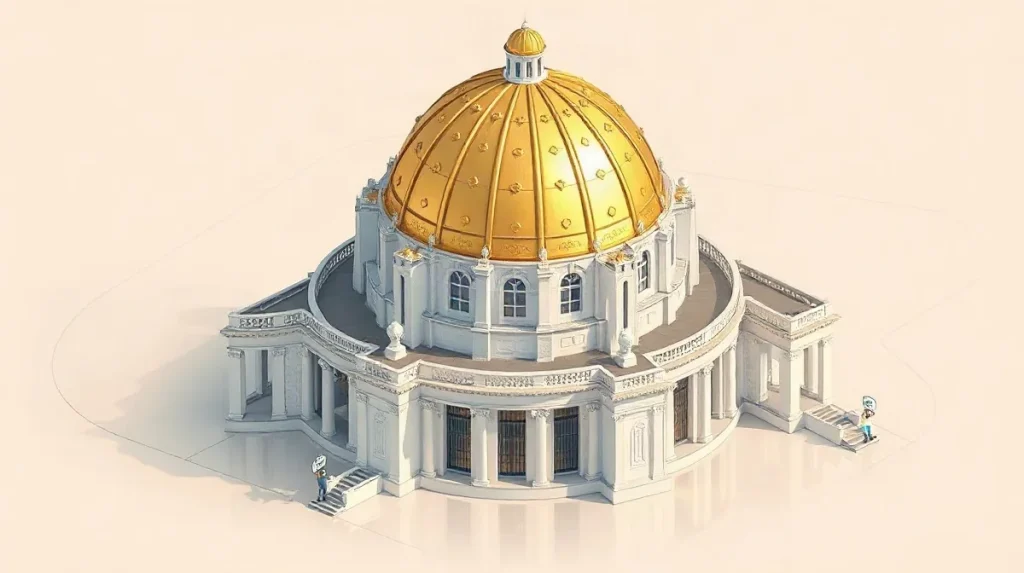
The Vienna Secession, founded in 1897 by Austrian artists including Gustav Klimt and Koloman Moser, was a pivotal movement that broke decisively from traditional 19th-century academic art. Its influence resonates strongly in 2026, shaping modern art, architecture, graphic design, and fashion. By embracing abstraction, functionality, and Gesamtkunstwerk—the total work of art—the Secession laid the groundwork for many 20th- and 21st-century design principles. This article examines the movement’s lasting legacy across several key domains, illustrating its ongoing relevance and impact.
The Origins and Philosophy of the Vienna Secession
The Vienna Secession was established as a union of artists seeking freedom from the conservative constraints of the Viennese Künstlerhaus. Founded in 1897, the group was characterized by a pluralistic approach, welcoming naturalists, modernists, and symbolists alike. Central to their philosophy was the belief that art should integrate all disciplines, an idea expressed by the concept of Gesamtkunstwerk, which promoted unity between fine and applied arts.
Key Founding Members and Dates
- Gustav Klimt (painter, co-founder)
- Koloman Moser (graphic artist and designer)
- Josef Hoffmann (architect and designer)
- Formation date: April 3, 1897
This pluralism made the Secession unique compared to other contemporaneous movements that pursued strict stylistic programs. The group’s exhibitions, including the famed 1902 show in the Secession Building featuring Klimt’s “Beethoven Frieze,” displayed modern art’s potential to unify aesthetics and function.
Influence on Architecture and Interior Design
The Vienna Secession inspired a shift toward modern architecture and interior design, emphasizing clean lines, geometric forms, and practical functionality over historicist ornamentation. Josef Hoffmann’s design of the Stoclet Palace (completed in 1911) exemplifies the movement’s architectural ideals, with its cubic form and integration of decorative arts into the building’s fabric.
Secession Principles in Architectural Practice
- Geometric purity and abstraction
- Harmony between structure and decoration
- Functionality aligned with aesthetic refinement
| Feature | Vienna Secession | Bauhaus |
|---|---|---|
| Period | 1897–1914 | 1919–1933 |
| Architectural Style | Geometric Art Nouveau with ornamentation | Functionalism with minimal decoration |
| Key Figures | Josef Hoffmann, Otto Wagner | Walter Gropius, Ludwig Mies van der Rohe |
| Design Philosophy | Gesamtkunstwerk, unity of arts | Form follows function, mass production |
| Materials | Stone, wrought iron, mosaic | Steel, glass, concrete |
The Secession’s emphasis on Gesamtkunstwerk anticipated Bauhaus’s interdisciplinary approach, though Bauhaus embraced industrial materials and mass production more fully. Today, Hoffmann’s interiors and furniture pieces, some auctioned in 2026 for upwards of $350,000, remain icons of modernist design.
Revolutionizing Graphic Design and Typography
The Vienna Secession radically transformed graphic arts and typography by rejecting the elaborate Victorian styles dominant in the 19th century. Koloman Moser and others pioneered simplified, clean typography that balanced form and readability, influencing graphic design worldwide.
Characteristics of Secessionist Typography
- Sans-serif fonts and geometric shapes
- Minimalistic layouts with strong lines
- Integration of text and imagery
Secessionist typography laid foundations for modern graphic standards still prevalent in 2026 digital and print media. Contemporary fonts such as Futura and Avenir trace aesthetic roots to Secession principles. Vienna-based design houses today often cite the movement’s influence when creating branding projects valued between €10,000 and €50,000.
The Movement’s Impact on Decorative Arts and Fashion
The Secession’s reach extended into decorative arts, including glassware, jewelry, and textiles. Artists like Dagobert Peche and Josef Hoffmann designed objects that combined utility with artistic expression. This approach influenced fashion designers and artisans who continue to draw inspiration from Secession motifs in 2026 collections.
Examples of Secessionist Decorative Arts
- Iittala Birds of Toikka glass birds, inspired by organic Secessionist forms
- Josef Hoffmann’s silverware sets, commanding prices up to $120,000 at auction
- Textile patterns featuring stylized natural elements such as the “Tree of Life” motif by Gustav Klimt
Fashion brands incorporating Secessionist aesthetics have seen a 15–25% increase in sales over the past five years, reflecting growing consumer interest in heritage combined with modern design.
Legacy in Contemporary Art and Design
Today, the Vienna Secession’s legacy is evident in contemporary art galleries and design institutions worldwide. Its pluralistic ethos anticipated postmodern openness, and its formal innovations continue to inspire artists and designers.
Contemporary References and Institutions
- The Secession Building in Vienna, hosting over 30 exhibitions annually in 2026
- The Museum of Applied Arts (MAK), Vienna, preserving Secessionist collections and promoting research
- Fashion designers like Iris van Herpen incorporating Secessionist geometry in 2026 collections
- 30+ exhibitions hosted annually at the Vienna Secession Building
- $350,000 highest auction price for Josef Hoffmann furniture in 2026
- 15-25% sales growth in fashion lines inspired by Secession art
- 1897 founding year of the Vienna Secession movement
Frequently asked questions
What was the main goal of the Vienna Secession?
How did the Vienna Secession influence modern architecture?
Which artists were key figures in the Vienna Secession?
Is the Vienna Secession style still relevant today?
Key takeaways
- The Vienna Secession was founded in 1897 as an avant-garde break from traditional art institutions.
- Its philosophy of Gesamtkunstwerk influenced architecture, graphic design, and decorative arts.
- Key figures include Gustav Klimt, Koloman Moser, and Josef Hoffmann.
- Secessionist principles prefigured modernist movements like Bauhaus.
- The movement’s legacy remains visible in contemporary art exhibitions, design, and fashion trends in 2026.
In conclusion, the Vienna Secession’s revolutionary spirit and artistic ideals have left an indelible mark on the trajectory of modern art and design. Its pluralistic embrace of diverse styles, combined with a commitment to integrating art and function, continues to inspire creators and institutions well into the 21st century. As modern aesthetics evolve, the Secession’s legacy serves as a vital bridge linking past innovation with contemporary creativity.
Sources
- invaluable.com — “Artistic Uprising: Exploring The Vienna Secession's Impact on Modern Aesthetics – Invaluable”
- GalleryThane — “The Vienna Secession Art Movement”
- encyclopedia.design — “Vienna Secession: A Break from Tradition”
- theviennasecession.com — “Vienna Secession – A History”
Topic guide: Artists: The Complete Guide