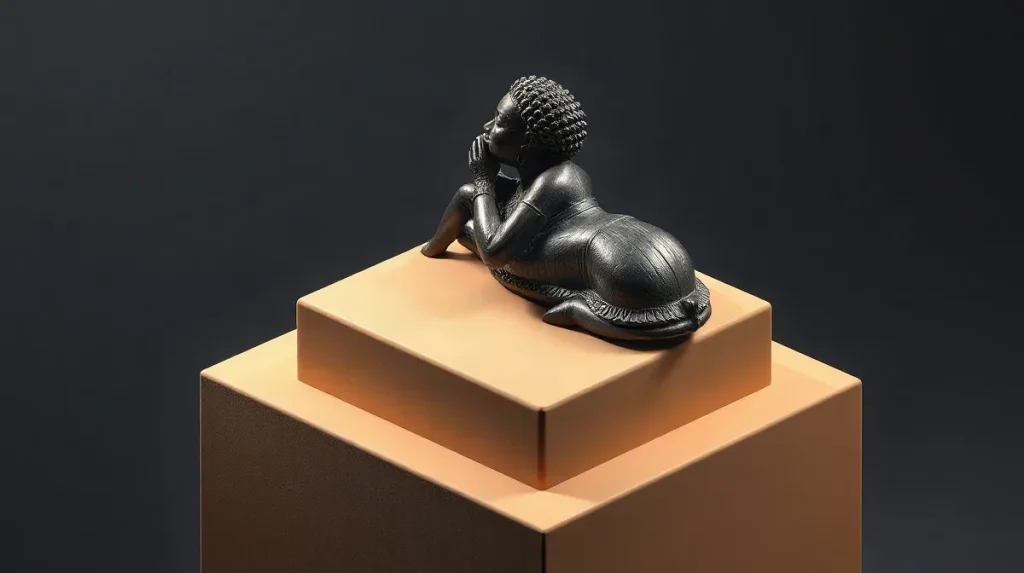
Metropolitan Museum Mediates Return of Nigerian Sculptures
The Metropolitan Museum of Art has brokered the return of three significant Nigerian sculptures through a long-term loan agreement, enabling their display in New York’s Rockefeller Wing later this month. These artworks, comprising one copper figure and two terracotta busts from the 12th to 18th centuries, arrive amid growing global initiatives to repatriate cultural heritage to its countries of origin.
This mediation highlights the museum’s active role in restitution efforts, marking a notable development in the relationship between Western institutions and African nations. The sculptures will remain available for both public viewing and scholarly research, reinforcing the Met’s commitment to cultural dialogue and ethical collecting standards.
Collector Ceil Pulitzer’s Role and Provenance Challenges
Collector Ceil Pulitzer, an Arkansas-based painter connected to the Pulitzer family, initiated the gift of these Nigerian artworks to the Met in 2025. She acquired the pieces between 2015 and 2018, providing detailed provenance documentation. Despite this, the museum found the provenance insufficient for a full gift acceptance, opting instead for a long-term loan arrangement to ensure compliance with institutional criteria.
Her connection to the Pulitzer legacy and dedication to African art collecting underscore the importance of provenance transparency in restitution cases. The Met’s cautious approach reflects broader museum sector standards prioritizing documented acquisition histories to maintain ethical stewardship of culturally sensitive works.
Artistic and Historical Significance of the Returned Pieces
The three sculptures represent pinnacle examples of Ife and Benin artistic traditions, spanning from the 12th through the 18th centuries. Of particular note is the 18th-century Edo copper figure depicting an iyọ́bà, or queen mother, from the Kingdom of Benin. This figure is unique as a rare standalone portrayal, diverging from the typical ensemble altar tableaux in which queen mother castings usually appear.
The museum’s press release suggests this statue likely commemorates an exceptionally prominent iyọ́bà who held her title between the late 17th and 18th centuries. Such objects are vital for understanding the sociopolitical role of women in Benin’s courtly culture and their artistic representation, enriching the Met’s African art narrative.
Exhibition and Scholarship Opportunities at the Met
Scheduled for public viewing from late September through December 2026, the artworks will be exhibited in the Rockefeller Wing’s Arts of Africa galleries. This placement complements the Met’s existing Nigerian art displays and provides visitors with enhanced insight into Ife and Benin craftsmanship and history.
The long-term loan also facilitates further academic study, allowing scholars to engage directly with these culturally significant works on-site. This opportunity supports ongoing research into provenance, artistic techniques, and cultural contexts, contributing to global understanding of African heritage.
Broader Context of Repatriation and Museum Practices
The Met’s facilitation of this return aligns with wider international restitution initiatives aimed at addressing historical imbalances in art ownership. Museums worldwide increasingly negotiate loan agreements, gifts, and repatriations to reconcile colonial-era acquisitions with modern ethical standards.
This case exemplifies how institutions can balance legal, ethical, and curatorial considerations by employing long-term loans rather than outright gifts when provenance documentation is incomplete. It reflects evolving museum policies that prioritize transparency and collaboration with source communities.
Takeaway: The Met’s mediation of this long-term loan exemplifies a responsible, collaborative approach to returning Nigerian artworks while enriching public access and scholarship.