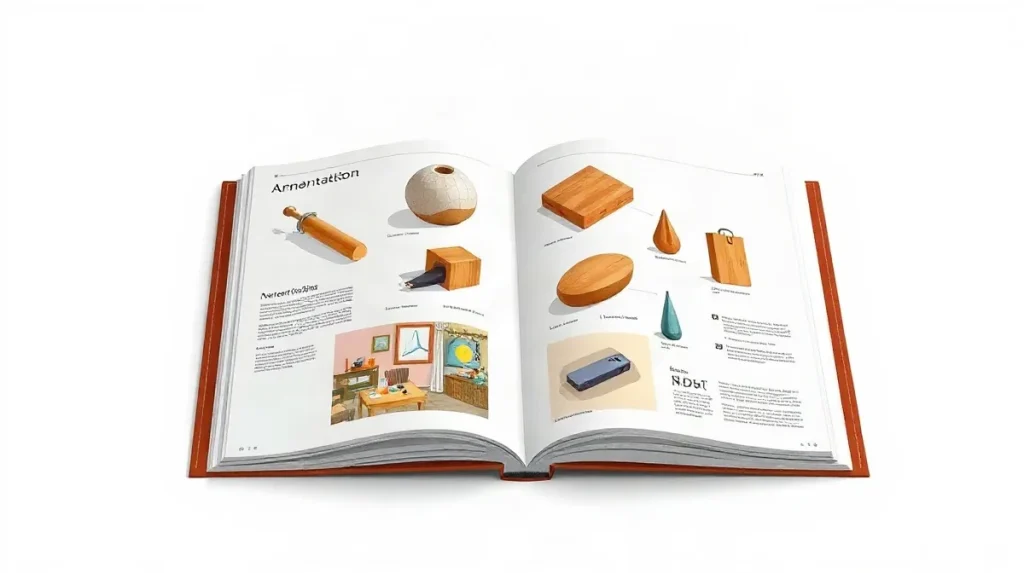
A catalogue raisonné serves as a comprehensive inventory of an artist’s entire body of work, meticulously documenting each piece with details about provenance, exhibition history, and authenticity. More than just a listing, it functions as a critical lens through which an artist’s legacy is examined and understood. By compiling and verifying their oeuvre, a catalogue raisonné reveals the evolution of the artist’s style, thematic interests, and creative milestones, offering invaluable insight into their place within art history.
Delving into a catalogue raisonné allows collectors, scholars, and enthusiasts to trace the artist’s impact over time and assess the significance of individual works within a broader cultural context. It safeguards the artist’s reputation by distinguishing genuine works from forgeries and clarifying ambiguities around attribution. Ultimately, what a catalogue raisonné reveals about an artist’s legacy is a structured narrative of their creative journey, underscoring their enduring influence and the continued relevance of their art in the contemporary world.
| Artist | Coverage Period | Number of Works | Funding Source |
|---|---|---|---|
| Frederic Remington | 1880-1909 | 3,000+ | Center of the West Museum |
| Andy Warhol | 1962-1987 | Several hundred prints | Art historians and foundations |
| Grant Wood | Early 20th century | Several hundred works | University of Iowa, no foundation |
- 3,000+ works Number of artworks in the Frederic Remington Catalogue Raisonné
- 1962-1987 Period covered by Andy Warhol Prints Catalogue Raisonné
- $100,000+ Typical high-end price for an authenticated Warhol print
- $100,000 Approximate cost to produce a comprehensive Catalogue Raisonné
How does a Catalogue Raisonné clarify an artist’s stylistic development?
Case Studies of Stylistic Evolution
A Catalogue Raisonné clarifies an artist’s stylistic development by systematically documenting and organizing their works across different phases of their career, making visible shifts in artistic approach and thematic focus. For example, the Frederic Remington Catalogue Raisonné catalogs over 3,000 pieces created between 1880 and 1909, highlighting his transition from early western frontier scenes to more refined depictions of motion and detail later in life. Similarly, the Grant Wood Catalogue Raisonné, hosted by the University of Iowa, traces Wood’s progression from his hallmark Regionalism style towards more experimental and modernist tendencies. These comprehensive volumes not only authenticate works but also provide a structured timeline that reveals evolving techniques, subject matter, and materials, offering scholars and collectors clear insight into the artist’s creative trajectory.
Chronological Documentation
Chronological ordering within a Catalogue Raisonné serves as a vital tool for illustrating an artist’s changing style, technique, and thematic concerns over time. The Andy Warhol Prints: A Catalogue Raisonné (1962–1987) meticulously documents Warhol’s innovations in printmaking over 25 years, emphasizing developments such as his use of silkscreen techniques and bold color experimentation. By listing works sequentially, catalogues allow comparisons based on factors like medium, print run size, or artistic collaborations. Key criteria in these catalogues include
- date of creation, such as Warhol’s print years from 1962 to 1987;
- edition size thresholds, often ranging from 50 to 250 prints per series;
- technique variations, for instance, Remington’s shift from oil paintings to bronze sculptures;
- institutional provenance, like Wood’s works archived at the University of Iowa.
This structured documentation clarifies not only stylistic evolution but also market reception and historical context, solidifying the artist’s enduring legacy.
In what ways does a Catalogue Raisonné authenticate artworks and impact the art market?
Authentication Process
A Catalogue Raisonné authenticates artworks by systematically documenting an artist’s entire known oeuvre, which enables experts to verify the legitimacy of previously unknown or disputed works. For example, the Frederic Remington Catalogue Raisonné has been instrumental in confirming the authenticity of Remington’s paintings by matching stylistic elements and provenance details, thereby preventing forgeries. Similarly, the Andy Warhol Prints Catalogue Raisonné (1962-1987), compiled by Frayda Feldman and Claudia Defendi, provides a definitive reference for Warhol’s printmaking, distinguishing genuine works from reproductions or fakes. These catalogues often exclude juvenilia or ephemeral pieces based on expert interpretation, which further refines the artist’s official body of work. The rigorous authentication criteria typically include provenance verification, stylistic analysis, and material examination, which collectively establish a clear threshold for inclusion or rejection of artworks.
Market Influence
The publication of a Catalogue Raisonné significantly impacts the art market by stabilizing and often increasing the value of authenticated works. For instance, a single authenticated Andy Warhol print can command prices exceeding $100,000, a benchmark supported by the catalogue’s authoritative listings. Grant Wood’s Catalogue Raisonné, despite the absence of a dedicated foundation or primary art dealer, helps define market parameters by clarifying which pieces are authentic and which are not, thus guiding collectors and investors. Art dealers and foundations frequently fund these projects to protect artists’ legacies and maintain consistent pricing. Inclusion or exclusion of specific works in the catalogue can directly raise or lower their market value, demonstrating the catalogue’s critical role in shaping economic perceptions. Key factors considered include:
- Presence of a verified provenance spanning at least 30 years
- Stylistic congruence with authenticated works
- Documentation of the artist’s creative process during the artwork’s creation period
- Exclusion of juvenile or ephemeral works to maintain market focus
What role does a Catalogue Raisonné play in understanding an artist's creative process?
Technical Insights
A Catalogue Raisonné plays a vital role in unveiling an artist’s creative process by providing detailed documentation of their technical methods and material choices throughout their career. For example, the comprehensive catalogue of Andy Warhol’s prints, compiled by Frayda Feldman and Claudia Defendi, meticulously records his screenprinting techniques from 1962 to 1987, illustrating how his approach evolved over 25 years. This level of annotation enables scholars and collectors to trace the development of Warhol’s graphic innovations, verifying authentication and clarifying workshop practices. Similarly, Frederic Remington’s Catalogue Raisonné presents a step-by-step progression from initial sketches to finished bronze sculptures, highlighting his use of specific materials and casting methods prevalent in the late 19th and early 20th centuries. Such technical insights often include precise measurements, dates of creation, and documented changes in medium or tools, offering a rare window into the artist’s hands-on process and the challenges they faced across different periods.
Preparatory Works
Beyond technical details, a Catalogue Raisonné illuminates an artist’s preparatory stages that are frequently hidden from public view. The Grant Wood catalogue, for instance, reveals early sketches and studies that were previously unpublished, shedding light on his compositional planning and thematic decisions before finalizing iconic paintings. These preparatory works, often excluded from exhibitions and market circulation, provide context for understanding an artist’s evolving vision and creative experimentation. By including such materials, catalogues establish criteria for assessing authenticity and artistic intent, which may encompass:
- Inclusion of early sketches or drafts, typically representing 10–20% of the documented oeuvre
- Documentation of workshop or studio practices, such as use of specific pigment formulations or canvas types
- Chronological ordering that reveals stylistic transitions over defined periods, often spanning decades
Consequently, these catalogues serve as essential tools for art historians and the market, clarifying the parameters of an artist’s legacy and creative journey in precise, verifiable terms.
How do Catalogue Raisonnés influence art history and scholarship?
Authoritative Reference
Catalogue Raisonnés play a pivotal role in art history and scholarship by establishing authoritative references that resolve disputes over attributions and delineate distinct artistic phases. For example, the 2003 revised edition of Andy Warhol Prints: A Catalogue Raisonné, compiled by Frayda Feldman and Claudia Defendi, redefined scholarly understanding of Warhol’s print editions produced between 1962 and 1987, clarifying the scope and chronology of his graphic innovations. Similarly, the Frederic Remington Catalogue Raisonné, developed in partnership with the Center of the West, organizes Remington’s entire oeuvre, illuminating his stylistic development and confirming the authenticity of works that surface decades after their creation. These catalogues typically include thousands of entries—Warhol’s print catalogue contains over 1,000 distinct works—offering scholars and collectors a verified baseline to assess provenance and market value, which can range widely, for instance, from $10,000 to over $1 million per piece, depending on rarity and condition.
Supporting Research and Exhibitions
Beyond authentication, Catalogue Raisonnés support art historical research by compiling comprehensive lists that trace artistic networks and influences within specific periods. Institutions such as the Grant Wood Art Colony at the University of Iowa use catalogues to contextualize an artist’s legacy in relation to peers and regional movements, despite lacking a dedicated foundation or primary dealer. These inventories are essential tools for curators mounting exhibitions and retrospectives, providing verified inventories that enable accurate selection and loan of works. For instance, the Warhol catalogue’s detailed print records have underpinned major exhibitions since its 2003 update, ensuring the inclusion of genuine pieces and preventing forgeries from distorting historical narratives. Key criteria for inclusion often involve documented provenance extending back at least 30 years and adherence to stylistic consistency verified through technical analysis.
- Andy Warhol Prints Catalogue Raisonné (1962–1987) revised in 2003, covering over 1,000 works
- Frederic Remington Catalogue Raisonné, clarifying stylistic phases and authentication
- Provenance documentation threshold: typically 30+ years for verified works
- Market value ranges: from $10,000 to over $1 million per authenticated artwork
- Grant Wood Art Colony’s catalogue efforts without a dedicated foundation
When do Catalogue Raisonnés face limitations or controversies?
Content Selection Challenges
Catalogue raisonnés often face limitations when deciding which works to include, as debates arise over the exclusion of juvenilia or ephemeral pieces. For example, some catalogues omit early sketches or minor works, interpreting them as inconsistent with the artist’s mature vision. This selective approach can lead to gaps in understanding an artist’s full development. Additionally, creating catalogues for living artists introduces complexity in balancing the artist’s privacy and control over their legacy with the art historical need for completeness. The Grant Wood Catalogue Raisonné initiative highlights these challenges, as the absence of a dedicated foundation or dealer complicates efforts to comprehensively document his oeuvre while respecting estate wishes.
Cost and Ethical Issues
The production of a catalogue raisonné can be prohibitively expensive, often costing over $100,000, which restricts such projects to artists with substantial financial backing or well-funded estates. This financial barrier means that many deserving artists remain undocumented in this definitive format. Furthermore, errors in attribution or incomplete provenance can mislead authentication efforts, undermining the catalogue’s reliability. Institutions like the Wildenstein Plattner Institute emphasize rigorous provenance standards to minimize such risks. The high stakes involved also raise ethical questions about who controls access to an artist’s legacy and how transparent the documentation process should be.
- Cost threshold: $100,000+ for production
- Provenance standards enforced by Wildenstein Plattner Institute
- Living artist catalogue examples: Grant Wood’s ongoing documentation
- Selective inclusion controversies: juvenilia and ephemera exclusions
Frequently asked questions
What exactly is a Catalogue Raisonné?
How does a Catalogue Raisonné affect artwork value?
Who typically funds the creation of a Catalogue Raisonné?
Can Catalogue Raisonnés include all types of artworks an artist made?
Key takeaways
- Catalogue Raisonnés document stylistic evolution over decades
- They authenticate works, influencing market prices
- Reveal artists’ creative techniques and processes
- Serve as authoritative resources for art history
- Face challenges in content selection and funding
Sources
- centerofthewest.org — “The Frederic Remington Catalogue Raisonné”
- grantwood.uiowa.edu — “Catalogue Raisonné | Grant Wood Art Colony – The University of Iowa”
- Navigating.art — “What is a catalogue raisonné? And answers to other important questions”
- revolverwarholgallery.com — “Understanding the Catalogue Raisonné – Revolver Gallery”
- Wildenstein Plattner Institute — “What is a Catalogue Raisonné and Why is it Useful?”