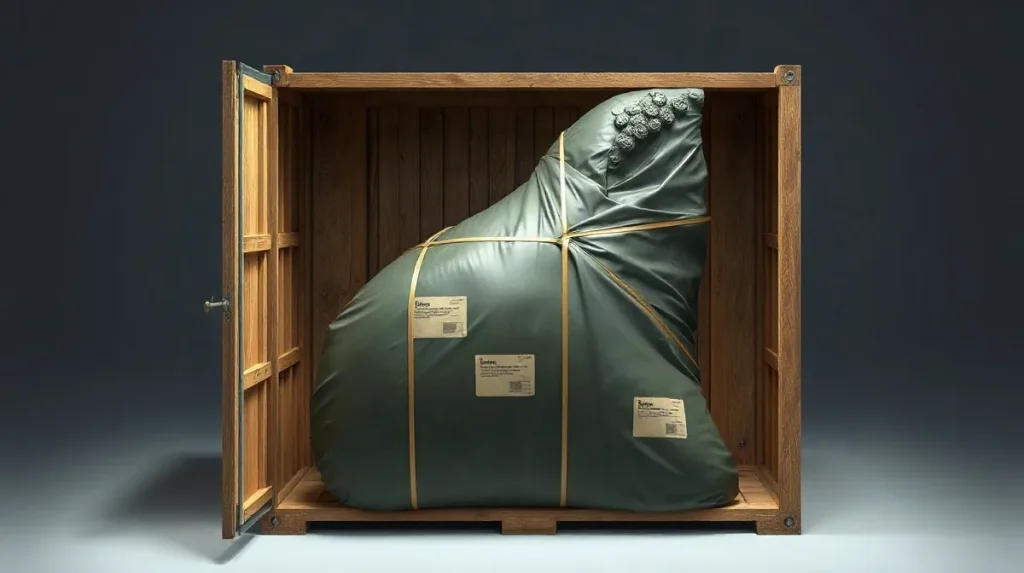
Museum loans are essential for powering global sculpture exhibitions by enabling institutions to share rare, valuable, and culturally significant works across borders, enriching audiences worldwide. These loans facilitate access to diverse artistic expressions, foster international collaboration, and stimulate fresh curatorial perspectives that recontextualize sculptures within new cultural dialogues.
Behind every major sculpture exhibition lies a complex network of agreements, logistics, and conservation efforts that make lending possible. Museums negotiate carefully to balance the risks and rewards of sending fragile or monumental works abroad, ensuring pieces arrive safely and maintain their integrity. This collaborative spirit not only broadens the reach of sculptural art but also strengthens relationships among museums, artists, and audiences on a global scale.
As sculpture exhibitions increasingly explore cross-cultural themes and contemporary issues, museum loans play a pivotal role in assembling diverse collections that might otherwise remain siloed. By pooling resources and artworks, institutions create dynamic exhibitions that challenge traditional narratives and invite viewers to experience sculpture in new and compelling ways, thus advancing the global conversation about art and its place in society.
| Factor | Typical Range/Value | Example Institution | Notes |
|---|---|---|---|
| Loan Duration | 3–12 months | Louvre | Balancing exhibition and preservation |
| Packing Cost | $10,000–$30,000 | Crozier Fine Arts | Custom crates with archival materials |
| Insurance Premium | 1.5–3% | Various Museums | Based on declared artwork value |
| Transport Time | 7–14 days | Momart | Includes customs clearance |
| Attendance Increase | 15–30% | Tate Modern (2026 Ai Weiwei exhibition) | Boost from high-profile loans |
- $10,000–$30,000 Cost range for custom packing per sculpture
- 7–14 days Typical international transport duration
- 1.5–3% Insurance premium rate on declared artwork value
- 3–12 months Common loan period length for sculptures
- 15–30% Attendance increase due to temporary sculpture loans
What logistical steps are involved in transporting sculptures between museums?
Packing and Crating
Transporting sculptures between museums begins with specialized packing using custom crates designed to protect delicate artwork. These crates incorporate archival-grade foam and climate-controlled materials to maintain stable conditions throughout transit. The cost of such crates typically ranges from $10,000 to $30,000 per sculpture, reflecting the precision and materials involved in ensuring safe handling.
Crate design also considers the sculpture’s weight, dimensions, and fragility, often requiring collaboration between conservators and logistics experts. This packaging phase is crucial to prevent damage from vibration, temperature fluctuations, or humidity changes that can compromise the sculpture’s integrity.
Transport and Insurance
Once packed, sculptures are transported by specialized art logistics firms, such as Crozier Fine Arts or Momart, which handle international transit with expertise. Shipping internationally can take between 7 to 14 days depending on origin and destination, with strict adherence to climate control during loading and unloading.
- Insurance coverage is typically set at 100% of the sculpture’s declared value, which can reach millions of dollars for renowned pieces.
- Premiums usually range from 1.5% to 3% of the artwork’s value, reflecting the high-risk nature of moving priceless sculptures.
Compliance with customs regulations is mandatory, including CITES permits for sculptures containing protected materials, with export and import permits valid for 30 to 90 days, ensuring legal and smooth cross-border transport.
How do museums determine loan duration and costs for temporary sculpture exhibitions?
Duration Planning
Museums determine loan durations for temporary sculpture exhibitions by balancing the needs of their exhibition schedules with the preservation requirements of the artworks. Typical loan periods range from 3 to 12 months, allowing institutions to feature sculptures long enough for public engagement without compromising their condition. For example, the Louvre often sets a 6-month loan period for major sculptures to fit its rotation calendar while ensuring adequate conservation monitoring.
Factors influencing duration include the sculpture’s material sensitivity and the hosting institution’s exhibition calendar. Loans shorter than 3 months are rare due to high logistical demands, while periods exceeding 12 months may increase conservation risks unless additional safeguards are implemented.
Cost Breakdown
- Loan Fees: The Louvre may charge between $20,000 and $50,000 for a 6-month loan of a prominent sculpture, reflecting the artwork’s value and exhibition profile.
- Condition Reports and Conservation: Comprehensive condition assessments and ongoing monitoring can add up to $5,000 per loan to ensure the sculpture’s stability throughout the exhibit.
- Installation Labor: Depending on the sculpture’s size and complexity, installation costs average around $2,500 per piece, covering specialized rigging and handling.
What cultural impacts do international sculpture loans have on host institutions?
Audience Engagement
International sculpture loans significantly deepen cross-cultural dialogue by presenting local audiences with foreign artistic traditions, as demonstrated by the 2026 Ai Weiwei exhibition at Tate Modern. Such loans can increase visitor numbers substantially; for example, temporary sculpture loans have been recorded to boost attendance by 15% to 30%, based on museum attendance reports from leading institutions. This influx not only broadens public appreciation but also encourages diverse interpretations, enriching the cultural fabric of the host city.
Institutional Collaboration
Loans foster collaboration that advances local scholarship and conservation expertise through partnerships with originating museums. The 2025 loan agreement between the Museum of Modern Art and the National Gallery of Canada exemplifies how such exchanges enhance research capabilities and conservation standards. These relationships also contribute to the global stature of host institutions, supporting reputation-building efforts that attract future loans and international recognition.
When do loans between museums face challenges or fail to materialize?
Financial Barriers
Museum loans often face challenges when the costs of insurance, transport, and handling exceed institutional budgets, particularly for mid-size museums operating with limited funds. For example, insurance premiums can reach up to $50,000 for a single sculpture valued at several million dollars, while specialized transport services such as those provided by Crozier Fine Arts Logistics can charge between $10,000 and $25,000 per shipment depending on the artwork’s size and fragility.
Large or delicate sculptures requiring custom crates and climate-controlled vehicles may push expenses beyond feasible limits. A mid-size museum with an annual loan budget capped around $100,000 might decline to borrow a sculpture weighing over 500 kg due to the need for bespoke packaging and transport solutions that alone cost upwards of $30,000.
Legal and Conservation Constraints
Legal restrictions such as export bans under national heritage laws or international treaties like CITES frequently prevent certain sculptures from crossing borders. For instance, ivory sculptures are subject to CITES Appendix I protections, effectively barring international loans without extensive permits, which are often denied or delayed for years.
Additionally, conservation schedules can restrict availability; sculptures undergoing treatment or monitoring may be unavailable for loans for periods ranging from several months to over a year. Major exhibitions coinciding with proposed loan periods further limit lending options, as institutions prioritize their own programming and preservation standards outlined in professional guidelines like the American Alliance of Museums’ conservation policies.
How do museums assess sculpture condition and ensure preservation during loans?
Condition Reporting
Museums assess sculpture condition through detailed condition reports that document the object’s baseline state before and after loan periods, following The American Institute for Conservation (AIC) standards. These reports record physical attributes such as surface integrity, structural stability, and any prior restorations, enabling precise comparison post-loan. For example, institutions often note micro-cracks or discoloration changes with high-resolution photography and written descriptions to track even subtle alterations.
During loans, conservation teams conduct regular inspections, sometimes weekly for particularly fragile sculptures, to identify new damage early. Mounting uses inert materials like archival foam and polyethylene supports to prevent chemical reactions, while vibration-dampening mounts reduce mechanical stress during transport and display. These combined procedures ensure sculptures maintain their integrity throughout loan periods.
Environmental Controls
Environmental monitoring devices such as HOBO data loggers are employed to track temperature and relative humidity within strict tolerances of ±2°C and ±5% RH. Maintaining these parameters is critical to preventing material expansion, contraction, or corrosion. Museums typically calibrate these devices before loan dispatch and review data logs daily during exhibition runs.
- HOBO UX100 model data logger for continuous climate monitoring
- Temperature range maintained between 18–22°C
- Relative humidity kept within 45–55%
- Use of silica gel packets or humidifiers to adjust microclimates inside display cases
These environmental controls, combined with inert mounting materials, work synergistically to preserve sculptures’ condition during long-term international loans, mitigating risks posed by transport and varying exhibition venues.
What are typical contractual terms governing sculpture loans?
Loan Agreement Essentials
Sculpture loan agreements typically specify the loan duration, insurance value, transport responsibilities, and display conditions to ensure clarity and protection for both lender and borrower. Loan periods often range from three months to one year, tailored to exhibition schedules. Insurance values are set based on professional appraisals, frequently reaching several million dollars for high-profile works, and must be documented before shipment. Transport arrangements usually assign responsibility to specialized art logistics companies such as Crozier or Momart, with detailed handling instructions to comply with conservation standards. Display conditions include environmental controls like temperature ranges between 18–22°C and humidity levels of 45–55%, as recommended by the American Institute for Conservation guidelines (2026).
Risk and Liability
- Condition and Restoration: Borrowers must return sculptures in their original state or cover restoration costs if damage occurs, with contracts requiring condition reports before and after loans.
- Indemnity Clauses: Lending institutions are protected against damage claims exceeding agreed terms, limiting their liability to specified insurance coverage.
- Delayed Return Penalties: Contracts often impose financial penalties for late returns, typically ranging from $1,000 to $5,000 per day, incentivizing timely compliance.
These provisions safeguard collections and help maintain trust in global sculpture exchanges, essential for the continued success of international exhibitions.
Frequently asked questions
How long does it usually take to ship a sculpture internationally for a loan?
What kind of insurance coverage is standard for loaned sculptures?
Are there legal restrictions on lending sculptures made from rare materials?
What costs should museums expect beyond transportation when borrowing sculptures?
Key takeaways
- Custom crating and specialist transport are essential for sculpture safety
- Loan durations balance exhibition needs and preservation, typically 3–12 months
- International loans boost cultural exchange and museum attendance by up to 30%
- Legal and financial barriers can prevent some sculpture loans
- Detailed condition reports and environmental monitoring protect artworks during loans