New York Authorities Repatriate 36 Syrian Antiquities
New York investigators announced the return of 36 Syrian artifacts, collectively valued at more than $5 million, to Syria. This repatriation includes a monumental limestone relief from Palmyra and 14 mosaics dating back to the Roman era, seized from a storage unit linked to a key antiquities dealer. The artifacts were reclaimed following a multi-year investigation by the Manhattan District Attorney’s office.
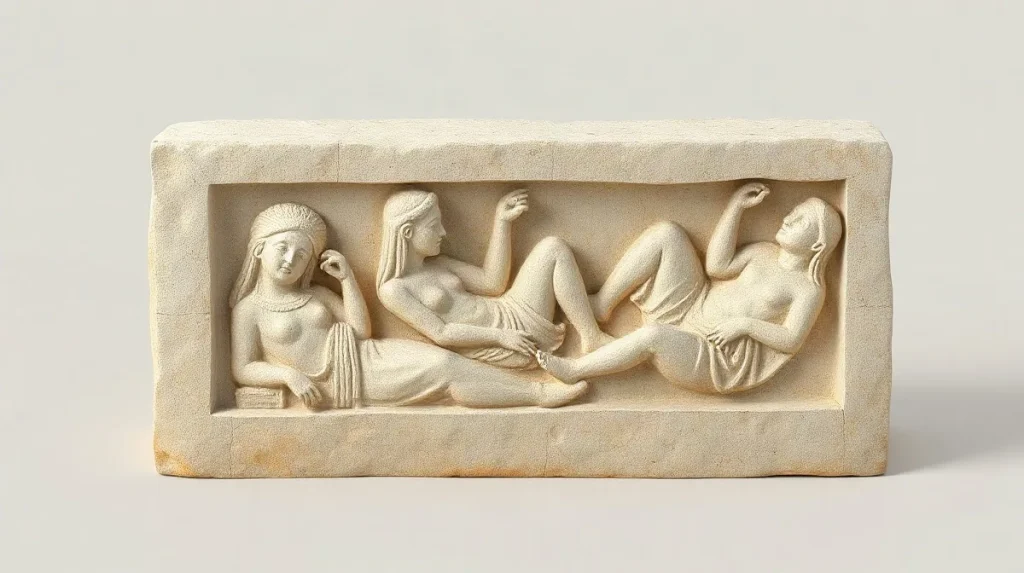
The Palmyra relief, weighing over 1,000 pounds, dates to the late 2nd century CE and depicts a reclining man flanked by women and children. It was likely removed from its original burial chamber by looters and smuggled out of Syria before the site’s destruction by ISIS between 2015 and 2017. This return marks a significant step in recovering cultural heritage damaged during years of conflict.
Significance of the Palmyra Relief and Roman Mosaics
The Palmyra relief is a rare surviving monumental sculpture from the ancient city, offering invaluable insights into funerary art and social customs of the era. Alongside it, 14 mosaics from a Roman-era villa, dating to the 3rd century BCE and illustrating mythological themes such as the wedding of the god Telete and Eros, were also repatriated. These mosaics were seized in 2021 from a storage unit associated with Georges Lotfi, a controversial antiquities dealer now wanted by New York authorities and Interpol.
The mosaics and relief not only have immense cultural and historical value but also help to restore Syria’s archaeological record which has suffered extensive looting and destruction during the civil war. Their recovery provides a tangible means of preserving Syria’s heritage and combating illicit trafficking networks.
Role of Manhattan District Attorney’s Office in Antiquities Seizures
Manhattan District Attorney Alvin L. Bragg, Jr. has led efforts to recover stolen antiquities, announcing the latest seizure of these 36 Syrian artifacts. His office has now reclaimed over 402 antiquities since 2017, including 13 pieces seized recently from the Metropolitan Museum of Art. The collective value of items seized from the Met alone exceeds $98.7 million.
These actions underscore the D.A.’s commitment to combating illegal art trafficking and ensuring museums and collectors do not harbor looted objects. The collaboration between law enforcement and cultural institutions has become a critical element in identifying and returning stolen heritage objects to their countries of origin.
Metropolitan Museum of Art’s Cooperation and Provenance Efforts
The Metropolitan Museum of Art has described the ongoing seizures as part of a collaborative effort with the Manhattan D.A.’s office to cleanse its collection of illicitly acquired antiquities. In July 2026, the Met acknowledged the importance of this partnership in uncovering provenance information that would otherwise remain inaccessible.
Lucian Simmons, head of the Met’s team of 12 provenance experts, emphasized the museum’s stance against possessing stolen art. This cooperation reflects a growing trend among major museums to scrutinize their collections rigorously and respond proactively to allegations of illicit acquisitions.
Impact on Cultural Heritage Preservation and Future Outlook
The repatriation of these 36 artifacts symbolizes a broader international movement toward restitution and the protection of cultural heritage in conflict zones. Recovering items looted from Syria helps to mitigate the damage wrought by war and illicit trafficking, reinforcing the importance of legal frameworks and international cooperation in heritage protection.
Looking ahead, the case highlights how law enforcement agencies, museums, and governments can work together to identify and return stolen cultural property. It sets a precedent for future repatriations and sends a strong message to traffickers that stolen antiquities will face increasing scrutiny and legal consequences.
Takeaway: The return of 36 Syrian artifacts by New York authorities marks a pivotal victory in the fight against illicit antiquities trafficking and the preservation of threatened cultural heritage.