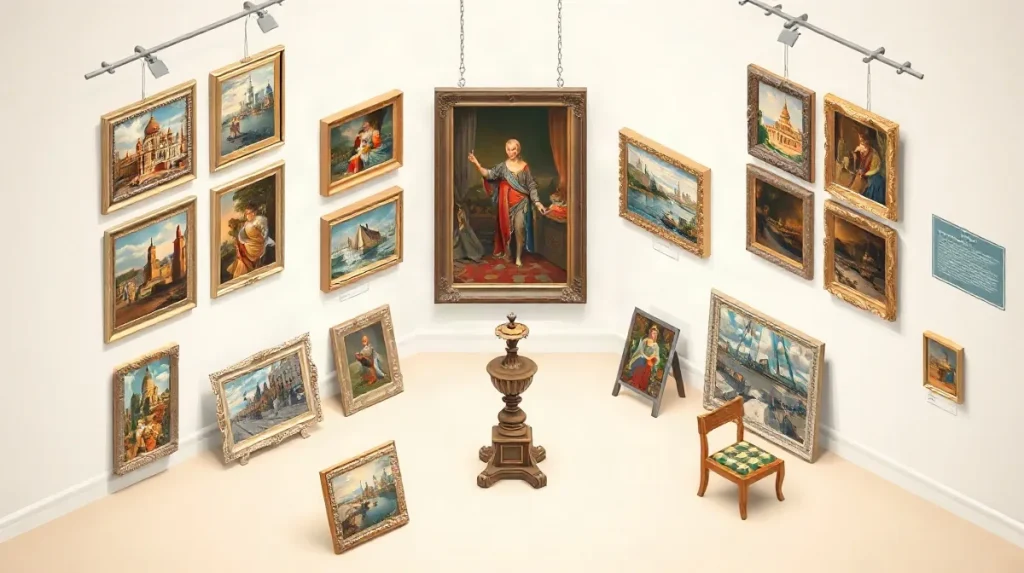
Curating a Russian art collection offers a fascinating journey into a rich cultural heritage that spans centuries, styles, and movements. From the intricate religious icons of the medieval period to the groundbreaking avant-garde works of the early 20th century, Russian art reflects a complex interplay of history, politics, and innovation. Whether you are a seasoned collector or just beginning, understanding the essential elements of Russian art is key to building a collection that is both meaningful and valuable.
In this comprehensive guide to curating a Russian art collection, we explore how to navigate the diverse landscape of this artistic tradition. You will learn how to identify significant artists, authenticate important works, and appreciate the unique contexts behind each piece. By combining knowledge with a strategic approach, collectors can create a collection that not only celebrates the beauty of Russian art but also preserves its legacy for future generations.
| Institution | Focus | Key Collection | Notable Event/Frequency |
|---|---|---|---|
| Garage Museum | Contemporary & Post-Soviet | Soviet Nonconformist Art Archive | Triennial of Russian Contemporary Art / every 3 years |
| Amherst Center for Russian Culture | Historical 20th-century Russian Art | Thomas P. Whitney Collection | Permanent Exhibitions curated by Maria Timina |
| Triumph Gallery | Regional Contemporary Art | Works from diverse Russian regions | Collaborative exhibitions with Winzavod |
- 2026 Year of the latest Triennial of Russian Contemporary Art at Garage
- 2013 Year Triumph Gallery was established in Moscow
- $50,000+ Typical price threshold for works by Vladimir Dubossarsky
- Every 3 years Frequency of the Garage Museum’s Triennial event
What key institutions should I consider when curating a Russian art collection?
Major Museums and Galleries
The Garage Museum of Contemporary Art in Moscow is a pivotal institution to consider when curating a Russian art collection, especially for contemporary works. Hosting the Triennial of Russian Contemporary Art every three years, with the latest held in March 2026, Garage offers exposure to cutting-edge Russian artists and emerging trends. The museum maintains a comprehensive library and archive dedicated to Soviet nonconformist art, supporting curators with event grants and access to extensive resources. Similarly, Triumph Gallery, founded in Moscow in 2013, specializes in spotlighting regional Russian contemporary art scenes, often collaborating with the Winzavod Contemporary Art Centre to present exhibitions that highlight diverse artistic voices from across Russia. Triumph’s focus on regional artists makes it a valuable partner for collectors interested in expanding beyond Moscow-centric art narratives.
Specialized Collections
The Amherst Center for Russian Culture in Massachusetts houses the Thomas P. Whitney Collection, which is essential for collectors focusing on 20th-century Russian art. Curated by Maria Timina, this collection offers a rich selection of works that reflect major artistic movements of the Soviet and post-Soviet periods. The center’s holdings provide a critical historical context that complements the contemporary focus of institutions like Garage and Triumph. When evaluating institutions for collection development, consider the following criteria:
- The frequency and scale of exhibitions, such as Garage’s triennial events attracting thousands of visitors every three years.
- The depth of archival materials available, exemplified by Garage’s extensive Soviet nonconformist art archive.
- Specialization in regional versus metropolitan art scenes, with Triumph Gallery’s emphasis on diverse Russian regions.
- Curatorial expertise and access, demonstrated by Amherst’s collaboration with curator Maria Timina and its comprehensive 20th-century holdings.
Who are the prominent Russian artists to include in a 2026 collection?
Contemporary Artists
Vladimir Dubossarsky and Leonid Lamm stand out as essential figures for a 2026 Russian art collection, each representing distinct facets of modern Russian creativity. Dubossarsky is renowned for his large-scale paintings that provide insightful post-Soviet social commentary; his works often command prices ranging from $50,000 to over $150,000 at international auctions. His art is prominently featured at the Garage Museum of Contemporary Art in Moscow, which actively promotes emerging Russian voices and hosts the Triennial of Russian Contemporary Art every three years. Leonid Lamm, a pioneer in experimental graphic art, is a significant presence in major collections such as Amherst College’s Thomas P. Whitney Collection, where his works have been exhibited since 2018. Lamm’s prints and graphics typically sell between $10,000 and $40,000, reflecting his strong influence on the graphic arts scene and his appeal among collectors focused on innovative Russian art forms.
Soviet Nonconformist Legacy
The legacy of Soviet nonconformist artists is critical for grounding any Russian art collection in historical and cultural context. These artists, active primarily between 1956 and 1976, challenged official Soviet artistic norms and are extensively documented in the Russian Art Archive Network, which preserves thousands of works and documents from this era. Key institutions such as the Amherst Center for Russian Culture and the Garage Museum maintain archives and exhibitions dedicated to this movement, highlighting its lasting impact. Collectors seeking to include this legacy should consider works by artists whose pieces have appeared in curated exhibitions like “My Beautiful, Pitiful Age” at Amherst, where prices for authentic nonconformist works can vary widely but often start at around $20,000 depending on provenance and medium. This historical depth enriches a collection by connecting contemporary Russian art to its complex Soviet-era roots.
- Vladimir Dubossarsky: $50,000–$150,000 per painting, Garage Museum exhibitions
- Leonid Lamm: $10,000–$40,000 for graphic works, Amherst Whitney Collection
- Nonconformist Soviet artists: documented 1956–1976 period, Russian Art Archive Network, starting around $20,000
- Triennial of Russian Contemporary Art: held every three years at Garage Museum
What practical steps and resources support curating a Russian art collection?
Research Tools
The Garage Museum of Contemporary Art offers a vital resource for curators focused on Russian art through its extensive library and archive dedicated to Soviet nonconformist art, housing over 10,000 catalogued items including artist monographs and exhibition catalogs. This archive provides essential provenance information and contextual background for artworks produced between the 1950s and 1980s, a period crucial for understanding underground art movements in Russia. Additionally, the Amherst Whitney Collection of Russian Art Fund supports curators by providing access to the Thomas P. Whitney Collection, which includes more than 3,000 works spanning the 20th century, along with expert curatorial guidance to help interpret the historical and artistic significance of pieces within this era.
Funding and Networking
Curators can leverage financial and professional opportunities through grants offered by the Garage Museum, which allocates event funding of up to $5,000 annually to foreign curators. These grants facilitate attendance at major exhibitions such as the Triennial of Russian Contemporary Art, held every three years in March, enabling direct engagement with artists, gallery directors, and collectors. Such events are critical for building networks that support acquisitions and collaboration. Meanwhile, the Amherst Whitney Collection provides financial backing specifically for projects involving 20th-century Russian art, helping curators acquire works or organize exhibitions with budgets typically ranging between $10,000 and $30,000, thereby fostering a sustainable approach to collection development.
- Garage Museum library: 10,000+ items focused on Soviet nonconformist art
- Amherst Whitney Collection: 3,000+ artworks from the 20th century
- Garage event grants: up to $5,000 annually for foreign curators
- Triennial of Russian Contemporary Art: held every 3 years in March
- Amherst Whitney funding range: $10,000–$30,000 for curatorial projects
What are common challenges or limitations when building a Russian art collection?
Authenticity and Provenance
One of the primary challenges in building a Russian art collection lies in securing authentic Soviet nonconformist artworks, where scarcity and provenance verification pose significant obstacles. These pieces often come from a limited number of surviving sources, making them rare and difficult to authenticate. Provenance research can be intricate due to incomplete records from the Soviet era, requiring collectors to engage with specialized archives or trusted intermediaries. For instance, the Amherst Center for Russian Culture holds a well-documented collection that can serve as a reference point. Prices for prominent contemporary artists such as Vladimir Dubossarsky frequently exceed $50,000 per artwork, pushing many collectors beyond typical budget constraints. This financial barrier underscores the importance of due diligence before acquisition to ensure investment in genuine works with clear ownership history.
Regional Accessibility
Accessing artworks from regional Russian art scenes presents another limitation due to the lack of centralized archives and documentation. Galleries such as Triumph and Winzavod Contemporary Art Centre actively collaborate with regional artists and institutions, but collectors often need to travel extensively within Russia to engage directly with local galleries and exhibitions. The dispersed nature of these cultural hubs means that building a comprehensive collection requires navigating varied institutional frameworks and establishing relationships with local curators. Additionally, the absence of unified cataloging standards across regions can complicate provenance verification and valuation.
- Price threshold: $50,000+ for works by leading contemporary artists like Dubossarsky
- Key institutions: Amherst Center for Russian Culture, Triumph Gallery, Winzavod Contemporary Art Centre
- Notable event: Triennial of Russian Contemporary Art, held annually in March at Garage Museum
- Provenance complexity: Soviet nonconformist art records often incomplete or fragmented
- Travel requirement: Frequent visits to regional galleries across Russia to access diverse collections
How do Russian art collections differ between institutions like Garage and Amherst?
Contemporary vs Historical Focus
The Russian art collections at institutions like Garage and Amherst differ primarily in their chronological focus, with Garage concentrating on contemporary and post-Soviet art, while Amherst Center emphasizes historical works from the early to mid-20th century. Garage supports living artists and dynamic cultural events, such as its Triennial of Russian Contemporary Art held every three years, which attracts over 50,000 visitors and features emerging figures like Vladimir Dubossarsky. The museum also maintains a specialized archive dedicated to Soviet nonconformist art, enhancing its role as a hub for current artistic discourse. In contrast, the Amherst Center’s Thomas P. Whitney Collection showcases seminal Russian artworks dating from 1900 to 1950, including pieces by avant-garde and Socialist Realist painters, thus offering a comprehensive historical overview grounded in established masters. This collection is curated with the support of an endowment fund specifically allocated to preserve early Russian art, underscoring its dedication to historical preservation.
Regional vs Centralized Collections
While Garage and Amherst focus on contemporary and historical periods respectively, the Triumph Gallery distinguishes itself by emphasizing regional diversity in Russian art, bridging contemporary practices with local cultural narratives beyond Moscow’s metropolitan center. Triumph’s exhibitions explore artistic developments from Russia’s various regions, often spotlighting lesser-known artists and cultural themes distinct from the capital’s dominant scene. This approach contrasts with Garage’s Moscow-centric programming and Amherst’s university-based historical archives. Triumph’s regional focus is reflected in its collaborations with over 15 local art institutions across Russia and its promotion of artworks priced between $10,000 and $50,000, which facilitates broader access to regional contemporary art markets. Collectors interested in a geographically diverse perspective of Russian art will find Triumph’s collection and exhibitions complement the more centralized collections of Garage and Amherst.
- Garage Triennial attendance: 50,000+ visitors every three years
- Amherst Whitney Collection period: 1900–1950 Russian art
- Triumph Gallery partnerships: 15+ regional institutions
- Triumph Gallery artwork price range: $10,000–$50,000
Frequently asked questions
What is the significance of the Thomas P. Whitney Collection at Amherst?
How often does the Garage Museum hold the Triennial of Russian Contemporary Art?
Why is provenance verification challenging for Soviet nonconformist art?
What budget range should collectors expect for works by leading contemporary artists like Dubossarsky?
Key takeaways
- Garage Museum supports contemporary Russian art with events and archives.
- Amherst Center holds one of the largest 20th-century Russian art collections abroad.
- Triumph Gallery connects regional Russian art scenes with Moscow’s contemporary art world.
- Authenticity and provenance are critical challenges for Soviet-era artworks.
- High prices for leading contemporary Russian artists require substantial collector budgets.
Sources
- canvasonline.com — “Moscow – Canvas”
- On View in the Gallery — “Amherst Center for Russian Culture”
- journals.openedition.org — “Between Art Practice and Protest: Russian/Soviet Alternative Art through the Prism of the Russian Art Archive Network”
- New East Digital Archive — “11 artefacts to help you understand post-Soviet Russian art”
- tuhinga.arphahub.com — “Building a collection for a nation: Mary Chamot, last London representative for New Zealand’s National Gallery, 1965”