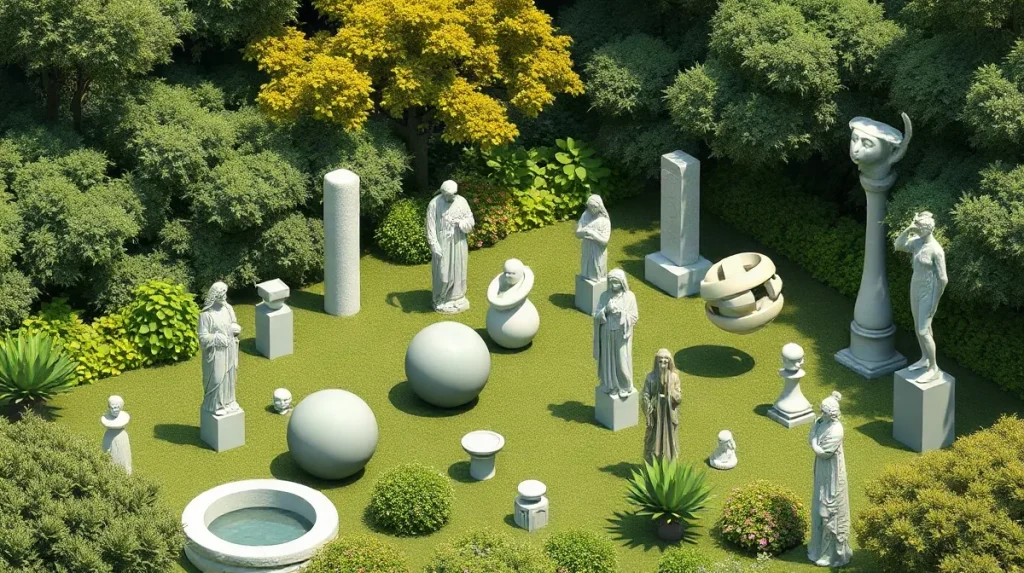
Creating a sculpture garden that achieves harmony between art and nature involves a delicate balance of thoughtful design, environmental sensitivity, and artistic vision. Planners must consider how sculptures interact with the natural landscape, using elements like light, vegetation, and terrain to enhance the viewer’s experience while respecting the ecosystem. This process transforms outdoor spaces into immersive environments where art and nature coexist in a seamless dialogue.
Key to planning such a garden is understanding how site-specific conditions influence the placement and scale of each sculpture. Designers often collaborate with artists, horticulturists, and landscape architects to ensure that the artworks complement rather than compete with the surroundings. By integrating pathways, sightlines, and natural features, a sculpture garden can invite visitors to explore both the creative expressions and the living environment, fostering a unique appreciation for both.
| Feature | Ann Norton Sculpture Gardens | Grounds for Sculpture |
|---|---|---|
| Location | West Palm Beach, Florida | Hamilton, New Jersey |
| Area | 1.7 acres | 42 acres |
| Number of Sculptures | 100+ | 270+ |
| Annual Budget | Not publicly disclosed | $10 million |
| Walking Path Length | Less than 1 mile | 6 miles |
| Accessibility | ADA-compliant paths | ADA-compliant paths with app support |
- 42 acres Size of Grounds for Sculpture
- 1.7 acres Size of Ann Norton Sculpture Gardens
- 270 sculptures Number of sculptures at Grounds for Sculpture
- $10 million Estimated annual budget of Grounds for Sculpture
- 6 miles Length of walking paths at Grounds for Sculpture
What are the key elements in selecting sculptures for a garden?
Artist and Material Selection
Choosing sculptures for a garden hinges on selecting works that offer both artistic significance and resilience to outdoor conditions. For instance, the Ann Norton Sculpture Gardens in West Palm Beach showcase over 100 monumental bronze sculptures by Ann Weaver Norton, emphasizing large-scale, durable pieces that withstand Florida’s humidity and sun exposure. Similarly, Grounds for Sculpture in New Jersey hosts more than 270 contemporary sculptures, including Seward Johnson’s life-size Marilyn Monroe, which is made of weather-resistant materials suitable for year-round display. Key criteria include:
- Material durability: preference for bronze or stone to resist corrosion and weathering over decades.
- Artistic relevance: sculptures must resonate with the garden’s artistic narrative and community, often by established or regionally significant artists.
- Scale and monumentality: large-scale works that maintain visual impact across expansive garden spaces, typically at least 2 meters in height or diameter.
Seasonal and Thematic Integration
Seasonal changes play a crucial role in sculpture placement to enhance harmony between art and nature. For example, at the Ann Norton Sculpture Gardens, sculptures are strategically positioned near flowering magnolias and camellias, whose blooming cycles highlight the artworks during spring and early summer. This creates dynamic visual interplay, reinforcing themes of growth and renewal. The timing of flowering periods—often spanning 4 to 6 weeks—guides the rotation or spotlighting of specific sculptures, ensuring the garden’s aesthetic evolves with the seasons. Additionally, thematic integration emphasizes aligning sculptures’ motifs with the garden’s flora and natural elements, fostering an immersive atmosphere that invites visitors to experience art within a living landscape.
How do planners design visitor routes for efficient exploration?
Pathway Layout and Accessibility
Planners design visitor routes by creating interconnected walking paths that guide visitors through key sculptures and garden areas in a logical and accessible manner. For instance, Grounds for Sculpture spans 42 acres with approximately 6 miles of paved walkways arranged to form a comprehensive circuit, ensuring visitors can experience all major installations without retracing their steps. Similarly, the Ann Norton Sculpture Gardens covers 1.7 acres with paths that link clusters of sculptures amidst native Florida landscaping, encouraging a typical visit lasting between 45 and 60 minutes. These pathways are designed with accessibility in mind, complying with the Americans with Disabilities Act (ADA) guidelines by including smooth, paved surfaces suitable for wheelchair users.
Visitor Engagement and Wayfinding
To enhance visitor orientation and enrich the exploration experience, Grounds for Sculpture incorporates clear informational signage and offers self-guided audio tours. These tools provide contextual details about the artworks and guide visitors along the intended route, helping to maintain an efficient flow throughout the expansive grounds. The signage and audio systems serve as essential wayfinding aids, allowing guests to engage with the art at their own pace while ensuring they follow a path that covers the sculpture highlights systematically.
- Grounds for Sculpture: 42 acres, 6 miles of walking paths
- Ann Norton Sculpture Gardens: 1.7 acres, 45–60 minute visit duration
- ADA compliance: paved paths for wheelchair accessibility
- Informational signage and self-guided audio tours at Grounds for Sculpture
What landscaping strategies support sculpture display and visitor experience?
Plant Selection and Garden Styles
Landscaping strategies that enhance sculpture display and visitor experience focus on integrating diverse plant species and garden designs to complement the artworks. At Ann Norton Sculpture Gardens in West Palm Beach, native plants are combined with tropical palms, ferns, and flowering shrubs to create a lush, layered backdrop that contrasts and frames the sculptures. Grounds for Sculpture in New Jersey employs a mix of formal and naturalistic garden styles, including reflective water features that mirror sculptures and add dynamic visual interest. These gardens use sightline analysis to position sculptures along clear viewing corridors, ensuring unobstructed perspectives from multiple angles. Key considerations include:
- Choosing plant species that do not exceed 2 meters in height near sculptures to avoid visual obstruction;
- Selecting water features sized 5 to 10 meters in diameter to integrate with sculpture scale;
- Designing pathways that enable visitors to view at least 70% of sculptures from three or more vantage points.
Maintenance and Visual Impact
Effective maintenance practices are essential to preserve the harmony between art and landscape while optimizing visitor engagement. Seasonal pruning schedules, such as quarterly trimming of fast-growing shrubs, prevent overgrowth that can obscure sculptures. Controlling invasive species is critical to maintaining native plant health and garden balance, a task managed through targeted herbicide applications conducted twice annually at sites like Ann Norton Sculpture Gardens. Grounds for Sculpture invests approximately $250,000 annually in landscape upkeep, emphasizing the removal of dead foliage and regular cleaning of water features to sustain visual clarity. These efforts ensure that sculptures remain focal points within vibrant, well-tended environments, supporting both aesthetic appeal and visitor accessibility.
When do limitations and trade-offs affect sculpture garden planning?
Financial and Material Constraints
Planning a sculpture garden is significantly affected by budget limitations and material durability considerations. Grounds for Sculpture, for example, operates on an annual budget of approximately $10 million, which governs the number and scale of installations it can support. Such financial parameters often necessitate selecting sculptures within specific cost ranges and opting for materials that balance artistic vision with longevity. Patinated bronze is frequently preferred over more fragile media due to its resilience against weather exposure, even though this choice might restrict the diversity of materials an artist can employ. This trade-off between cost, material durability, and artistic expression is a common challenge in sculpture garden planning.
Environmental and Spatial Challenges
Environmental regulations and site size also impose critical constraints on sculpture garden design. The Ann Norton Sculpture Gardens, spanning only 1.7 acres, must carefully balance visitor circulation with zones for quiet contemplation, limiting the number of large-scale sculptures and requiring thoughtful spatial organization. Additionally, local water use restrictions can restrict planting choices and irrigation methods, impacting the garden’s landscaping and maintenance strategies. These factors require planners to select drought-tolerant species and efficient irrigation systems that comply with regulations while maintaining aesthetic harmony.
- Grounds for Sculpture annual budget: $10 million
- Ann Norton Sculpture Gardens size: 1.7 acres
- Preferred sculpture material due to weather exposure: patinated bronze
- Environmental constraint example: local water use restrictions affecting irrigation
How do technology and visitor services enhance the sculpture garden experience?
Digital Interpretation Tools
Technology enhances the sculpture garden experience by providing interactive, informative, and accessible digital tools that deepen visitor engagement. Grounds for Sculpture, for example, offers an official app featuring GPS-enabled self-guided tours that allow visitors to explore the 42-acre site at their own pace, pinpointing sculptures with precision. The app also incorporates augmented reality features that reveal detailed background information and artistic context for selected sculptures, enriching the visitor’s understanding beyond physical observation. Similarly, Ann Norton Sculpture Gardens integrates QR codes on signage next to sculptures, which link directly to artist biographies and conservation details. This method not only educates but also connects visitors to the ongoing preservation efforts, fostering a deeper appreciation of both the artwork and its environment.
Visitor Amenities and Programming
On-site amenities and event programming further enhance visitor satisfaction and engagement while supporting the financial sustainability of sculpture gardens. Grounds for Sculpture’s café and gift shop encourage longer visits by providing convenient dining and souvenir options, which contribute to the garden’s funding. Seasonal events and workshops use technology for efficient ticketing and to collect visitor feedback, improving future offerings. For instance, these programs often rely on digital platforms that handle ticket sales with real-time capacity management, ensuring compliance with visitor thresholds—typically under 500 attendees per event. Such services not only enrich the cultural experience but also help maintain the garden’s operational viability and community connection.
- Grounds for Sculpture app covers 42 acres with GPS self-guided tours
- Ann Norton Sculpture Gardens uses QR codes linking to artist and conservation info
- Typical event capacity at sculpture gardens capped near 500 visitors
- On-site café and gift shop increase visitor dwell time and revenue
Frequently asked questions
What is the average size of a sculpture in these gardens?
How long does a typical visit last?
Are sculpture gardens accessible to people with disabilities?
What materials are most common for outdoor sculptures?
How do gardens balance art preservation with natural growth?
Key takeaways
- Sculpture selection prioritizes durability and thematic fit with garden flora.
- Visitor routes are designed for accessibility and efficient art viewing.
- Landscaping incorporates native and ornamental plants to enhance sculptures.
- Budget and environmental factors impose planning trade-offs.
- Technology like apps and QR codes enrich visitor engagement.
Sources
- ann-norton-sculpture-gardens.com-place.com — “Ann Norton Sculpture Gardens – Sculpture museum in El Cid – Website”
- ecwcomputers.com — “Exploring the Ann Norton Sculpture Gardens – ECW”
- have-clothes-will-travel.com — “Exploring "Grounds for Sculpture"”
- ochristine.com — “What to Know Before Visiting the Frederik Meijer Gardens & Sculpture Park”