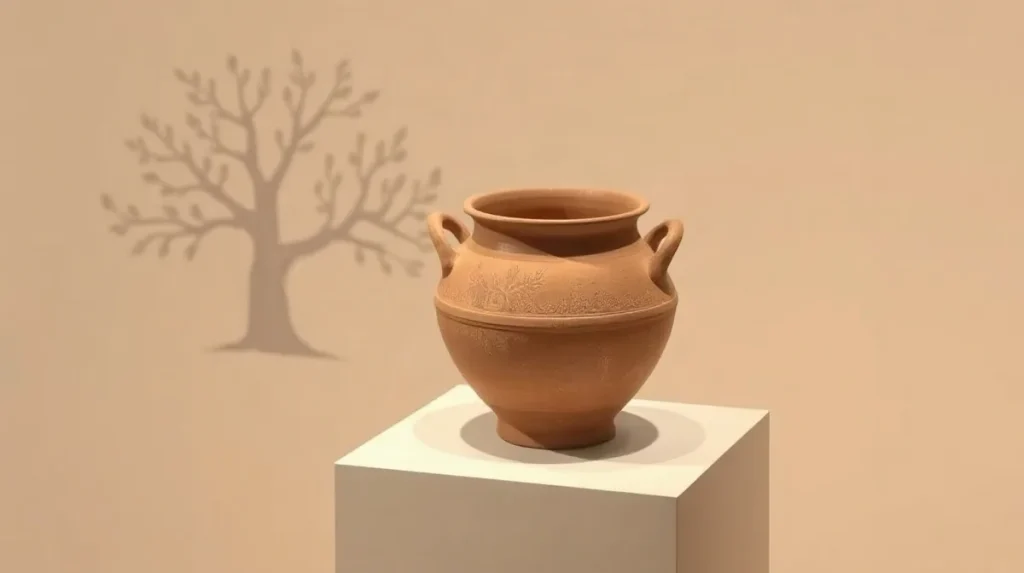
The Milwaukee Art Museum has returned two stoneware pots by the enslaved 19th-century potter David Drake to his descendants, then immediately secured one back for its collection and arranged for the other to stay visible through a long-term loan. The deal, brokered with the Dave the Potter Legacy Trust earlier this month, keeps the works tied to Drake’s family while preserving public access in Milwaukee.
How the return was structured
The repatriation involved two pots, both made by David Drake, who is also known as Dave the Potter. After the return to descendants, one pot was bought back by the Milwaukee Art Museum, while the second is set to remain on view through a long-term loan, creating a split arrangement between family ownership and museum display.
This kind of outcome matters because it avoids a simple either-or choice between restitution and exhibition. The museum can keep telling Drake’s story through objects that remain accessible in Milwaukee, while the family regains legal possession of work made by an ancestor whose labor and creativity were shaped by enslavement.
Why Drake’s work matters in Milwaukee
Drake’s pots first entered the Milwaukee Art Museum in 2010, when the Chipstone Foundation organized an exhibition that placed his vessels alongside work by Chicago-based sculptural artist Theaster Gates. That show became a turning point for local attention to Drake’s ceramics and led to further programming around his legacy.
Three years later, in 2013, the Chipstone Foundation bought two Drake pots, and those works later became part of the museum’s Dave Project, a collaboration with the foundation. The museum’s continued use of the project has helped keep Drake’s work in public view while also linking it to broader questions about American material culture and the decorative arts.
The role of the Dave the Potter Legacy Trust
The Dave the Potter Legacy Trust was central to the repatriation, working with the museum on the return to descendants. The trust’s involvement reflects the growing role of family-led stewardship in decisions about objects made by enslaved artists, especially when museums and collections are trying to repair earlier gaps in provenance and ownership.
Kantara Souffrant, the Milwaukee Art Museum’s curator of community dialogue, described the trust’s work as deeply connected to what it means for descendants of enslaved people to encounter family through objects. In this case, the pots are not just artworks; they are also material links across generations, which is why the return carried both cultural and personal weight.
What the family said
Yaba Baker, Drake’s fourth-generation great-grandson, said the family wants people to keep drawing inspiration from Drake’s perseverance and artistic skill. He also said that keeping both works visible in Milwaukee would help ensure that Drake’s legacy and lineage remain accessible to the public for years to come.
That view underscores the compromise at the heart of the deal: the family receives recognition and restored connection, while the museum retains a public platform for the work. For visitors, the arrangement means Drake’s pots remain part of Milwaukee’s art conversation rather than disappearing into private hands.
Why this case resonates beyond one museum
The Milwaukee decision arrives amid a broader shift in how museums handle works tied to slavery, ancestry and historical ownership. In this case, the return does not end public access; it reframes it, with one pot back in the museum’s collection and the other promised for display through loan.
That balance may matter to other institutions working with descendants of enslaved artists, because it shows a path that combines restitution, family agency and continued exhibition. For the Milwaukee Art Museum, the result keeps the Dave Project alive while acknowledging that Drake’s work belongs to a history larger than any single gallery.
Takeaway: Milwaukee’s deal returns David Drake’s pots to his descendants while preserving a public future for both works in the city.
